E-mail:
sale08@lzxkjx.comCall Us:
+86 15390744145
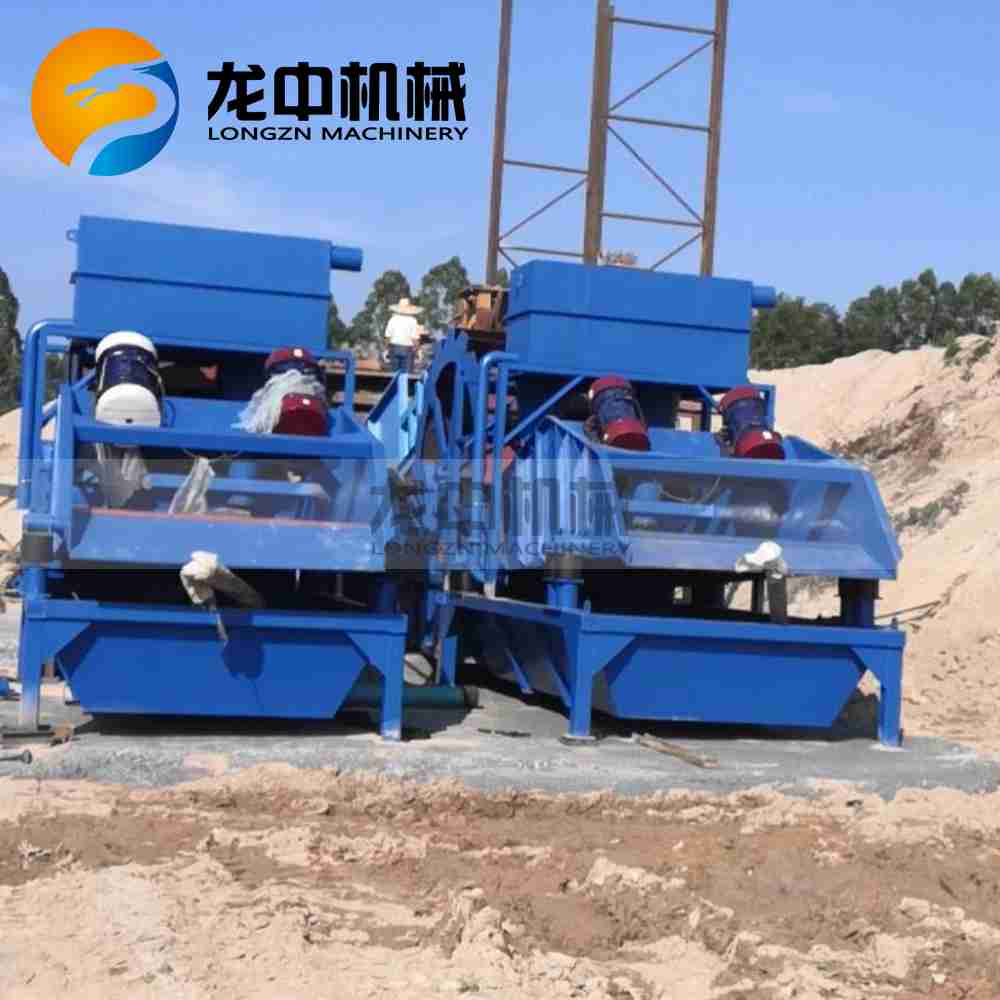
The dehydration screen is a critical equipment primarily used in the final dewatering stage of mineral processing. It is designed to remove surface moisture from granular materials, thereby reducing their water content and preparing them for subsequent handling, transportation, or stockpiling. This equipment is highly effective in processing a wide range of minerals, including but not limited to iron ore, coal, silica sand, quartz, limestone, and various metallic and non-metallic ores.
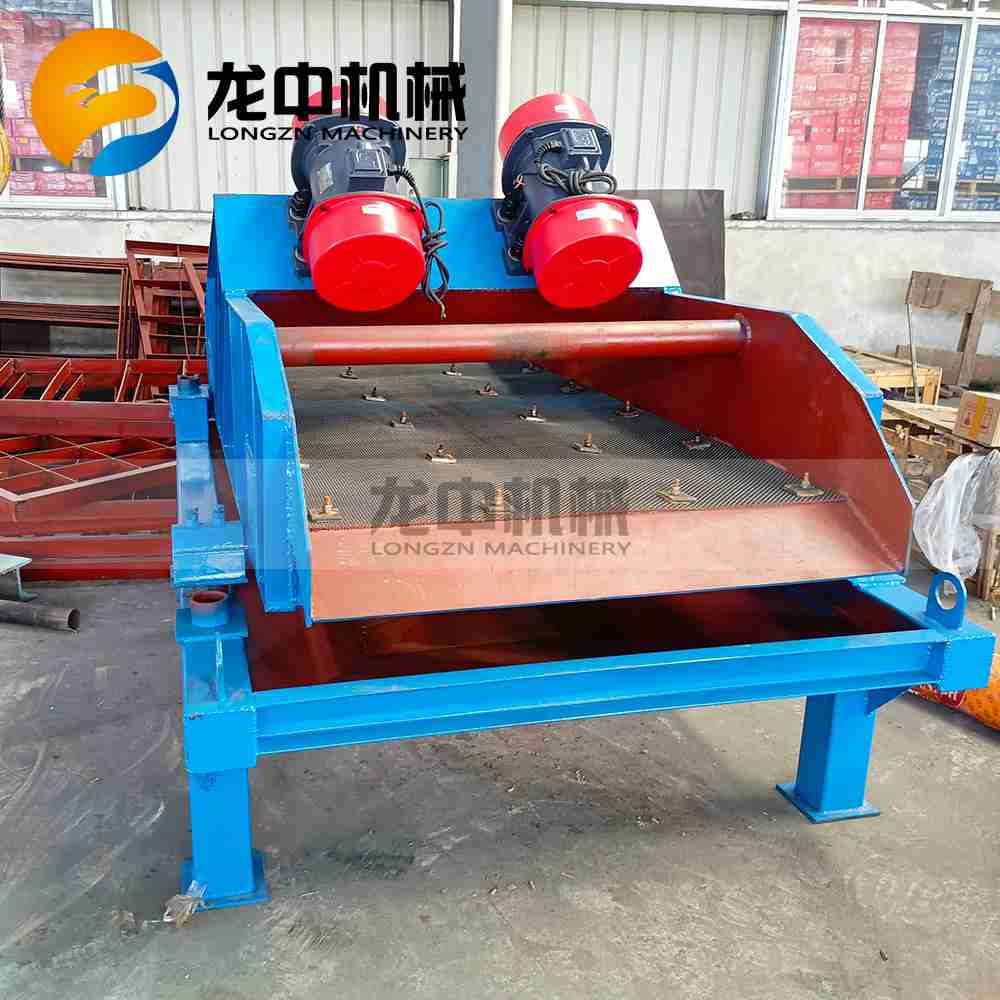
It is commonly integrated into several key mineral processing lines, such as coal washing plants, sand and gravel aggregate production plants, iron ore beneficiation lines, and non-ferrous metal (e.g., copper, lead-zinc) concentration circuits. Its role is indispensable in operations where efficient water removal and product dryness are essential for economic and environmental reasons.
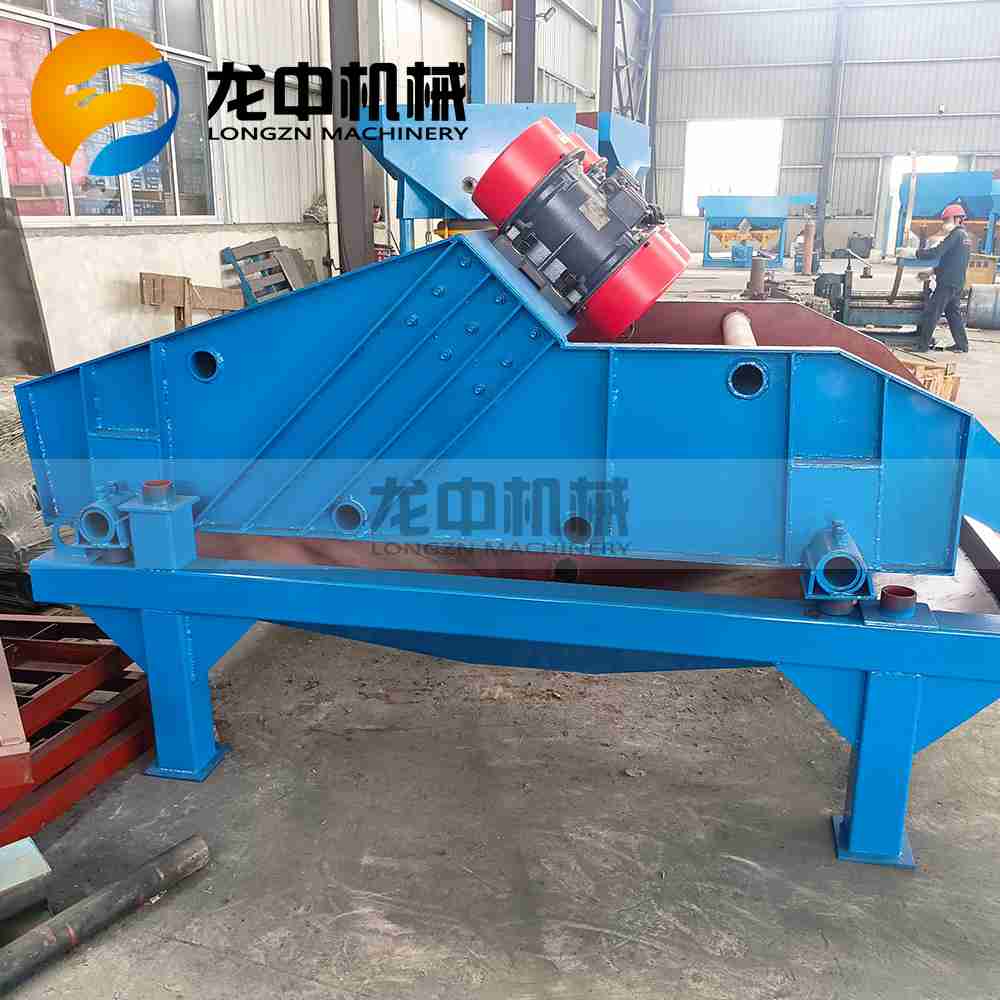
The working principle of a dehydration screen involves high-frequency, low-amplitude vibration. The wet feed material is distributed onto a sloped screen surface. As the screen deck vibrates rapidly, water and fine particles pass through the screen apertures (depending on the application and desired separation), while the coarser, drained solids are conveyed along the deck and discharged at the discharge end. The vibration also helps to break the surface tension of water, enhancing the dewatering effect.
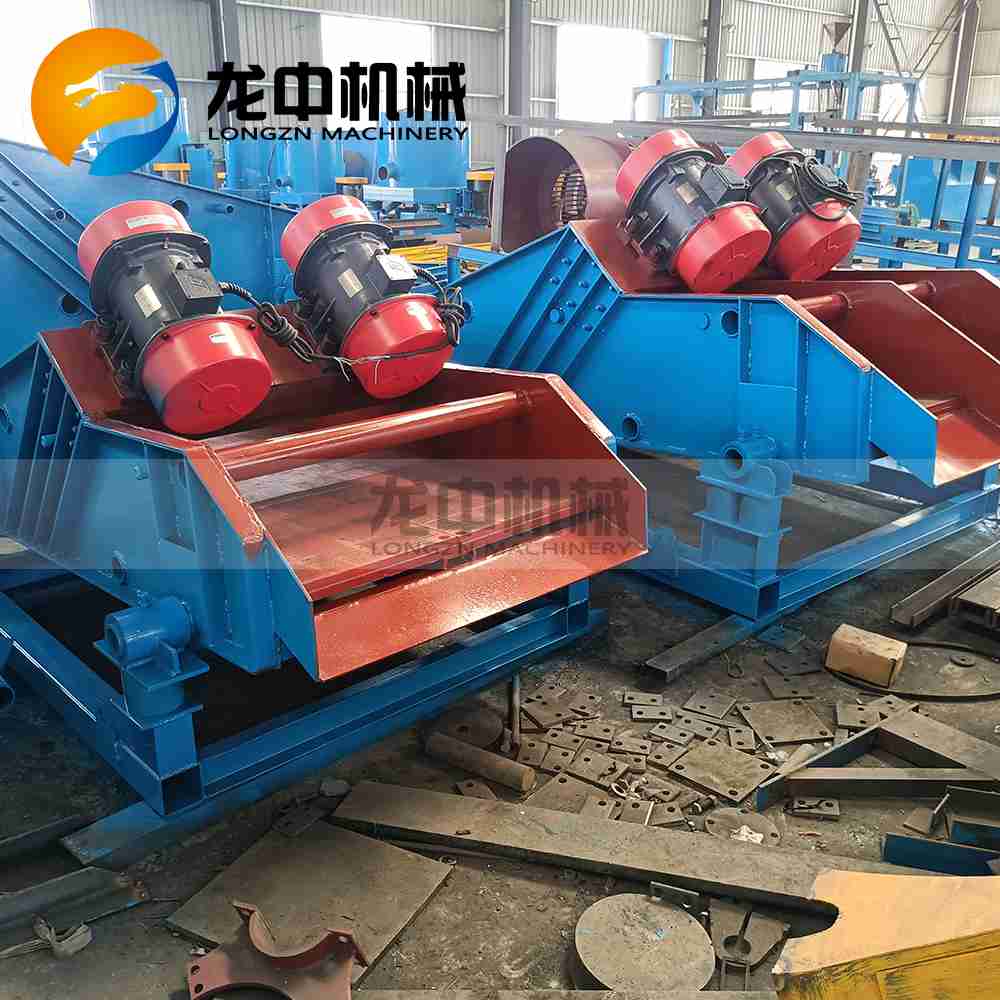
Its main advantages and characteristics include:
High Dewatering Efficiency: Capable of achieving significant moisture reduction in a single step.
Compact Structure and Large Capacity: Designed to handle substantial throughput within a relatively small footprint.
Low Noise and Energy Consumption: Modern designs prioritize operational efficiency and a better working environment.
Durability and Low Maintenance: Key components like screen panels are often made of wear-resistant polyurethane or rubber, ensuring long service life.
Versatility: Can be used for both dewatering and preliminary sizing/scalping in some applications.