E-mail:
sale08@lzxkjx.comCall Us:
+86 15390744145
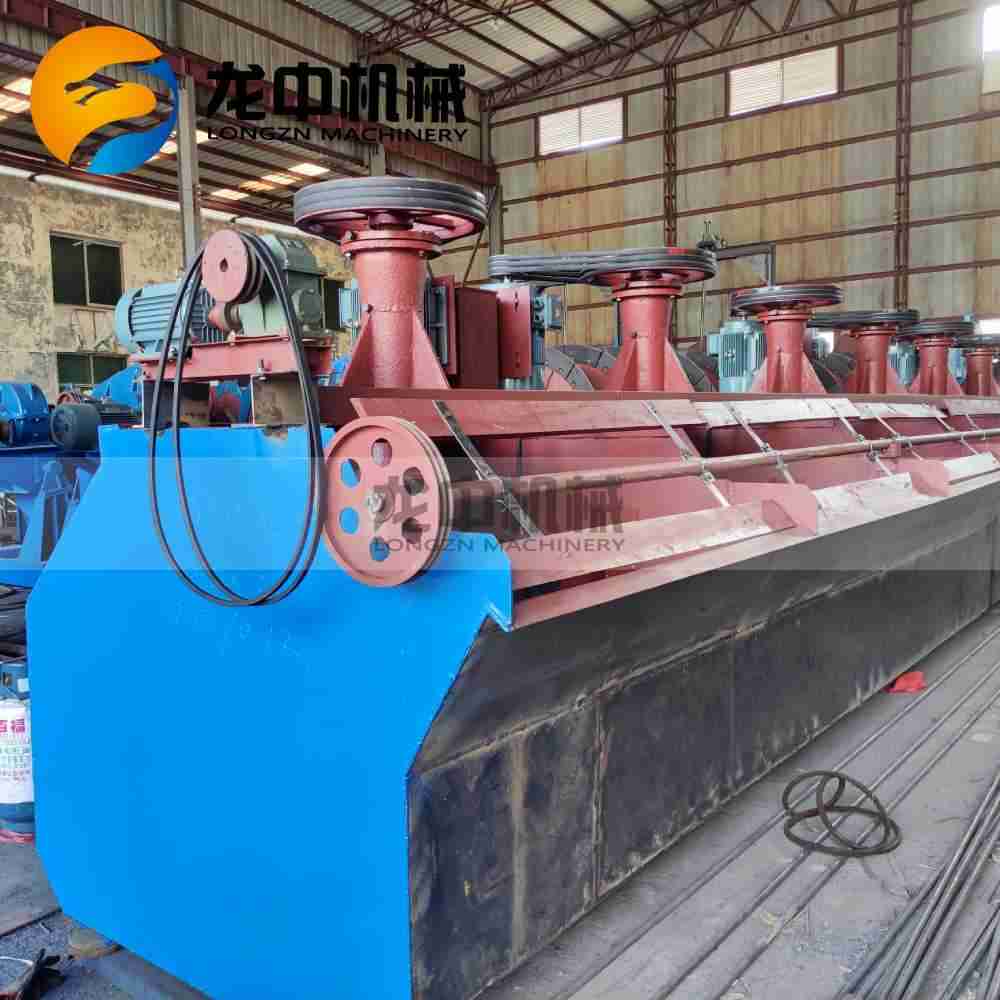
Flotation machines are vital equipment in the mineral processing industry, primarily used in the separation stage following crushing and grinding. They are designed to separate valuable minerals from gangue (waste rock) based on differences in surface properties. These machines can process a wide range of minerals, including sulfide ores (like copper, lead, zinc, and nickel), precious metals (such as gold and silver), non-metallic minerals (like phosphate, potash, and fluorite), and even certain oxide minerals after proper reagent conditioning.
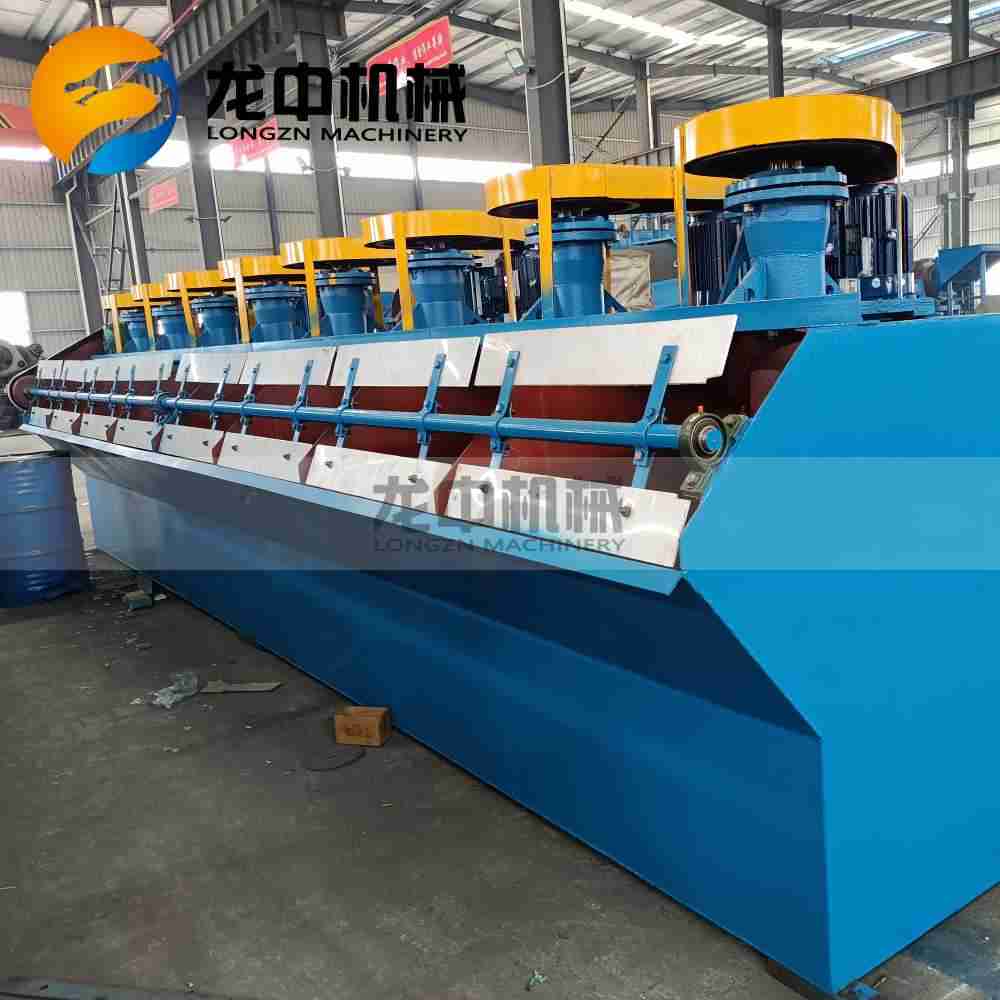
They are a cornerstone in numerous beneficiation production lines, most notably in copper, lead-zinc, and graphite processing plants. A typical flotation circuit incorporates these machines in series—often with rougher, scavenger, and cleaner stages—to achieve high-grade concentrates and optimal recovery rates.
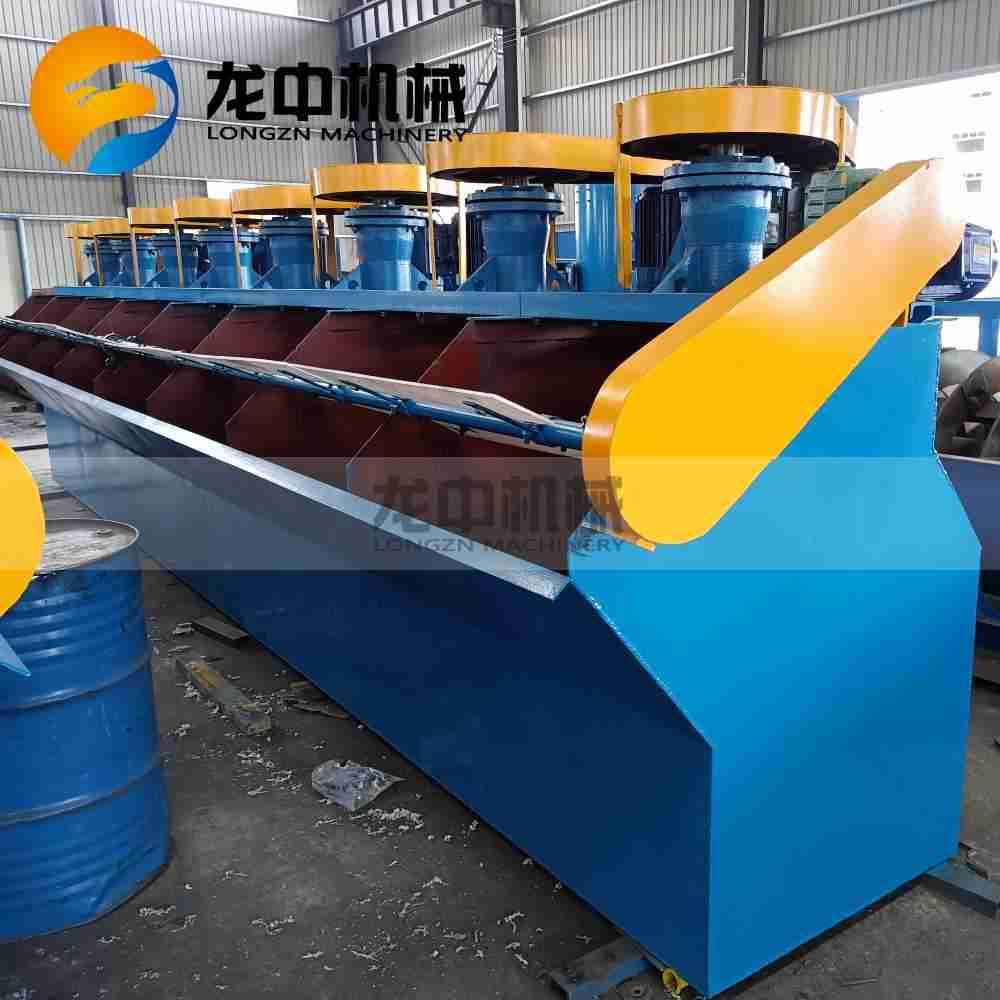
The working principle revolves around froth flotation. Finely ground ore is mixed with water and specific reagents to form a pulp. Agitators in the machine disperse air into the pulp, creating bubbles. Hydrophobic (water-repelling) mineral particles, conditioned by collectors, attach to these air bubbles and rise to form a froth layer at the surface, which is then skimmed off. Hydrophilic (water-attracting) gangue particles remain in the pulp. The key advantages and features of modern flotation machines include high selectivity and efficiency, flexibility in handling various ore types, relatively low energy consumption compared to some alternatives, and the ability to produce high-grade concentrates. Advanced models offer automated control for parameters like air intake and pulp level, optimizing performance.