
E-mail:
sale08@lzxkjx.comCall Us:
+86 15390744145
The double roll crusher, also known as a roll crusher or twin-roll crusher, is a pivotal piece of equipment primarily deployed in the secondary or tertiary crushing stage within mineral processing circuits. Its design is exceptionally suited for the intermediate size reduction of medium-hard to hard minerals and rocks. It is commonly employed to process a wide variety of materials, including coal, limestone, gypsum, chalk, iron ore, salt, shale, bauxite, and weathered or friable ores. It excels in handling materials that require a relatively fine product with minimal fines generation, making it ideal for preparing feed for subsequent grinding processes or for producing specific aggregate sizes.
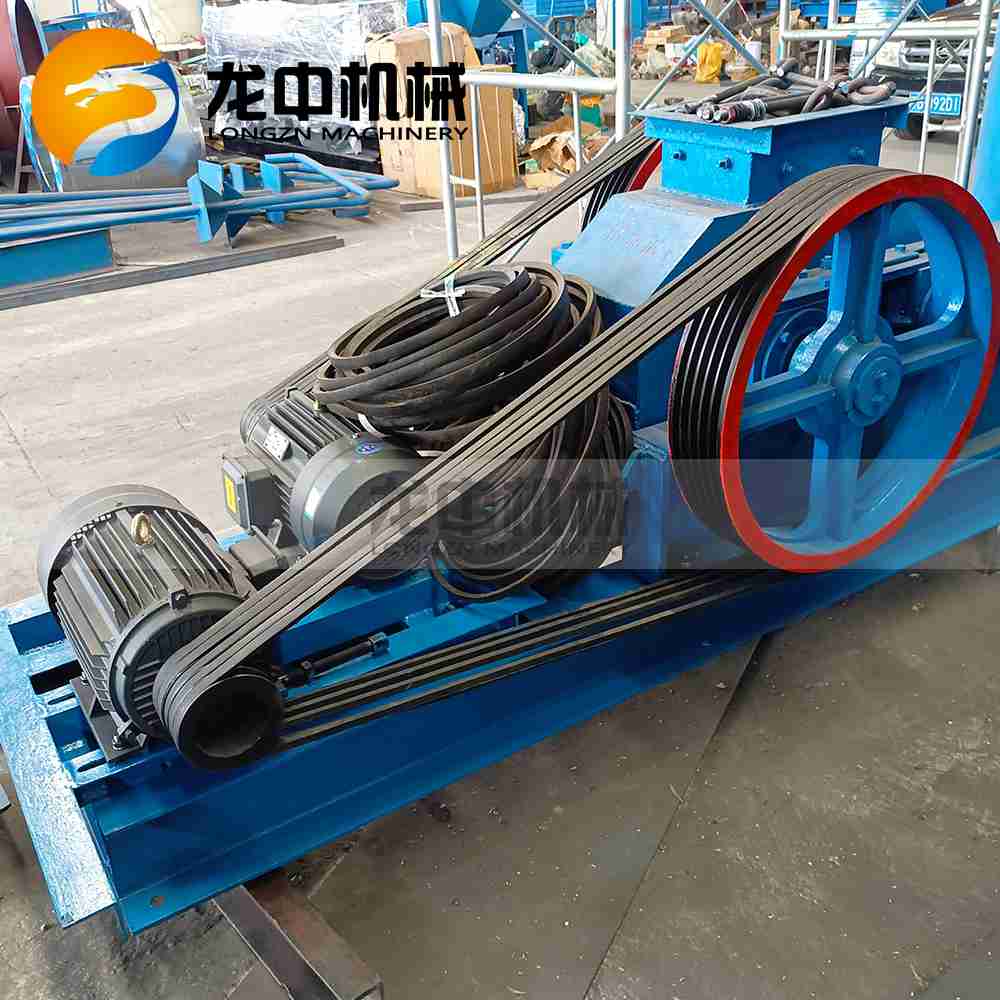
This crusher is a staple in numerous mineral processing production lines, most notably in coal preparation plants, cement production lines (for crushing raw materials and clinker), and aggregates production for construction. It is also integral to dedicated crushing and screening lines for industrial minerals like phosphate, potash, and certain metallic ores where selective crushing is beneficial. Its application is crucial in flowsheets that demand precise control over the final product's top size.
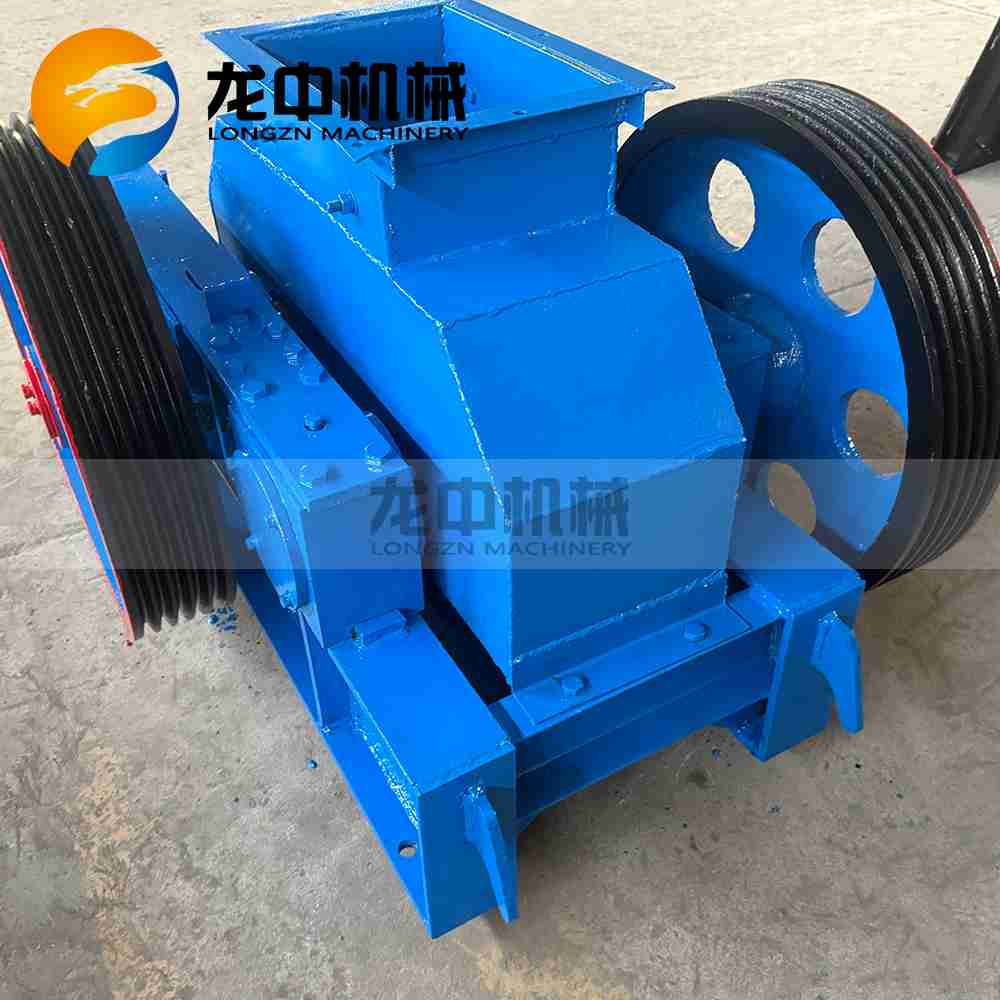
The working principle of the double roll crusher is straightforward yet effective. It consists of two parallel, horizontally mounted cylindrical rolls rotating towards each other at identical or differential speeds. The feed material is drawn into the crushing chamber by friction and gravity, where it is nipped and compressed between the rotating rolls. The size reduction occurs primarily through compression and, to a lesser extent, shear force. The crushed product exits downward through the adjustable gap between the rolls, known as the closed-side setting (CSS). Key advantages include a compact design, low dust generation, the ability to produce a cubical product with a controlled particle size distribution, and relatively low energy consumption compared to some impact crushers. It offers excellent adjustability for product sizing and can handle sticky materials more effectively than jaw crushers.