
E-mail:
sale08@lzxkjx.comCall Us:
+86 15390744145
Bauxite beneficiation methods encompass a series of elaborate and complex process steps designed to efficiently screen high-purity aluminum minerals from the raw ore, thereby ensuring a supply of high-quality raw materials for subsequent smelting processes. Next, we will delve into each phase of bauxite beneficiation methods, including key processes such as raw material pretreatment, primary crushing, secondary and tertiary crushing, screening and classification, grinding, flotation separation technology, drying and dewatering, and final product collection.
Raw Material Pretreatment
As the initial step in bauxite ore beneficiation, raw material pretreatment aims to remove sludge, impurities, and large non-ore bodies from the ore surface, laying the foundation for subsequent crushing operations. This stage typically involves manual picking, washing, and screening before coarse crushing, intended to reduce ineffective crushing and enhance crushing efficiency.
Primary Crushing
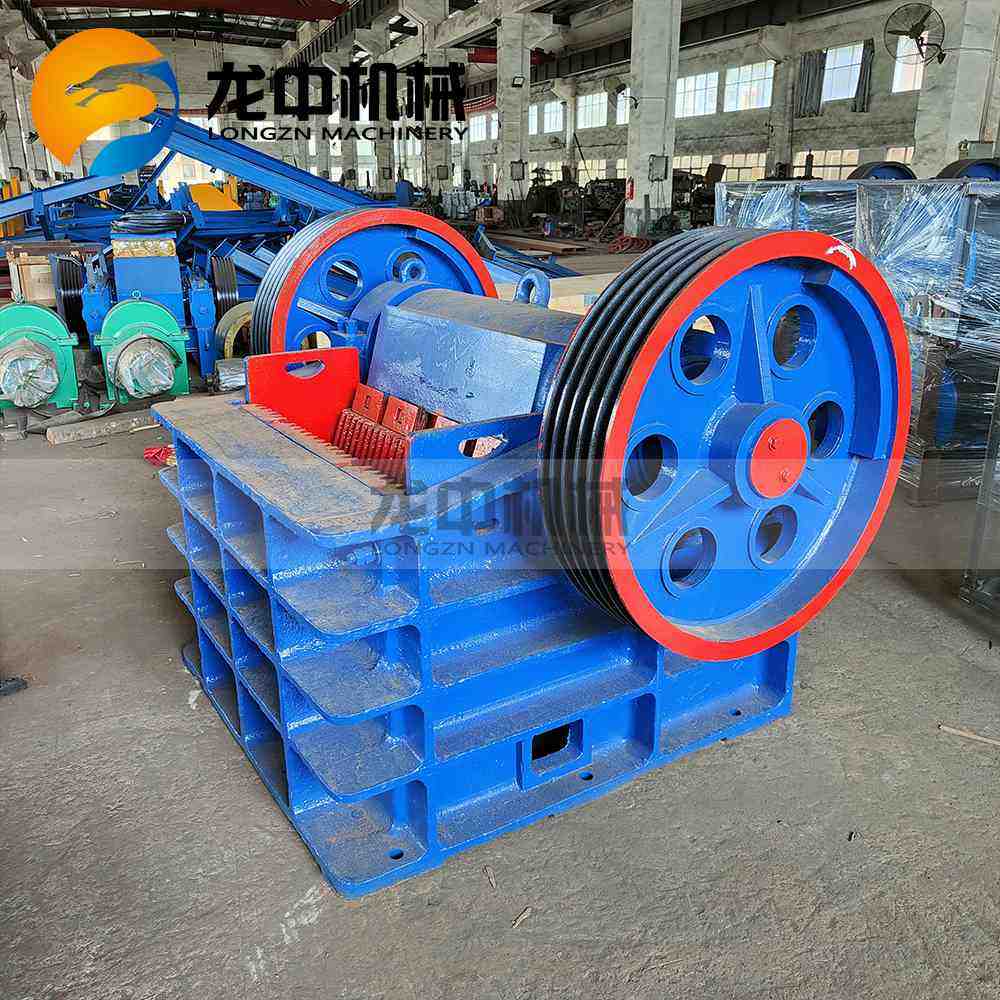
The pretreated bauxite ore enters the primary crushing stage. This phase mainly uses equipment such as jaw crushers or gyratory crushers to break large ore blocks to a moderate particle size, typically controlled within a range of several hundred millimeters. This process effectively reduces the ore particle size, paving the way for subsequent secondary and tertiary crushing.
Secondary and Tertiary Crushing
Building upon primary crushing, secondary and tertiary crushing further refines the ore particle size to a range suitable for grinding operations. This stage often employs equipment like cone crushers, impact crushers, or hammer crushers, using multi-stage crushing to control the ore particle size between a few millimeters and tens of millimeters. The purpose of this treatment is to increase the surface area of the ore, thereby improving grinding efficiency and flotation recovery.
Screening and Classification
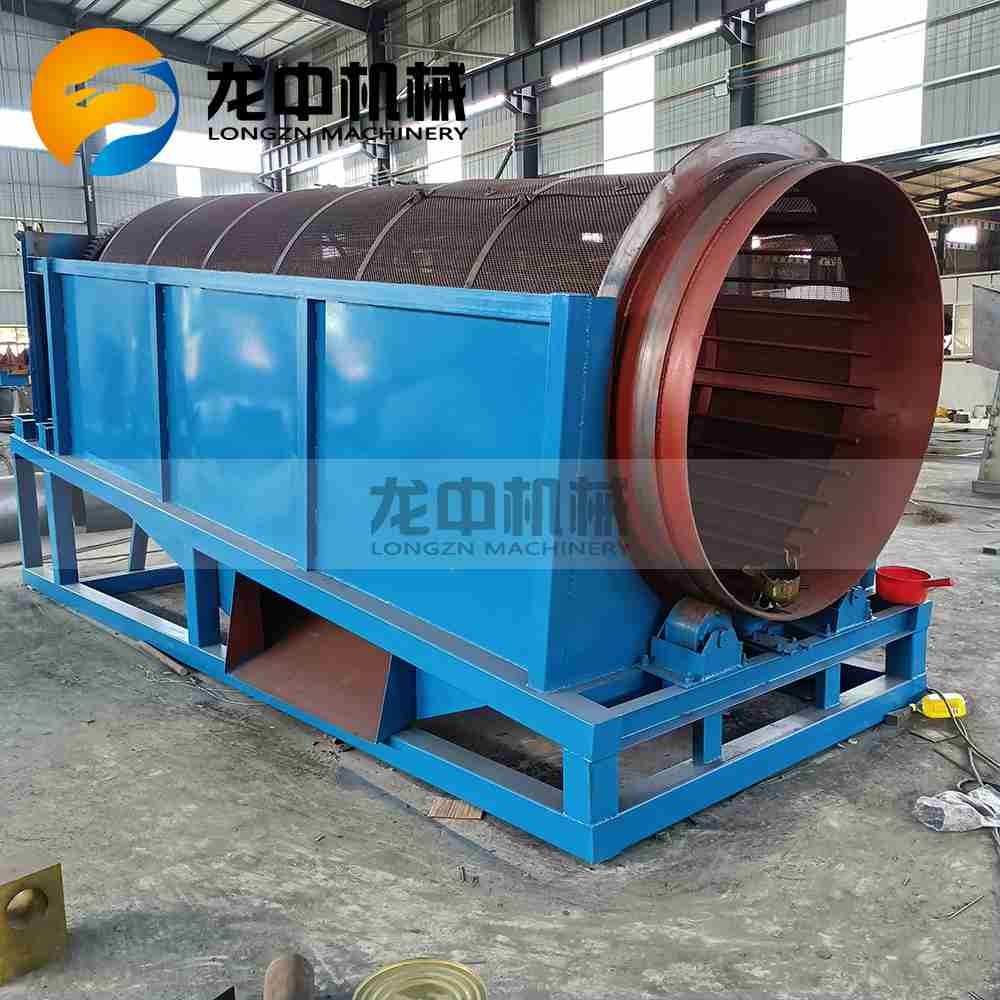
Screening and classification is the process of sorting the crushed ore by particle size, using equipment such as vibrating screens or trommel screens to divide the ore into several grades based on different particle diameters. This step is crucial for optimizing the parameters of subsequent grinding and flotation operations, ensuring the continuity and efficiency of each process stage.
Grinding Process
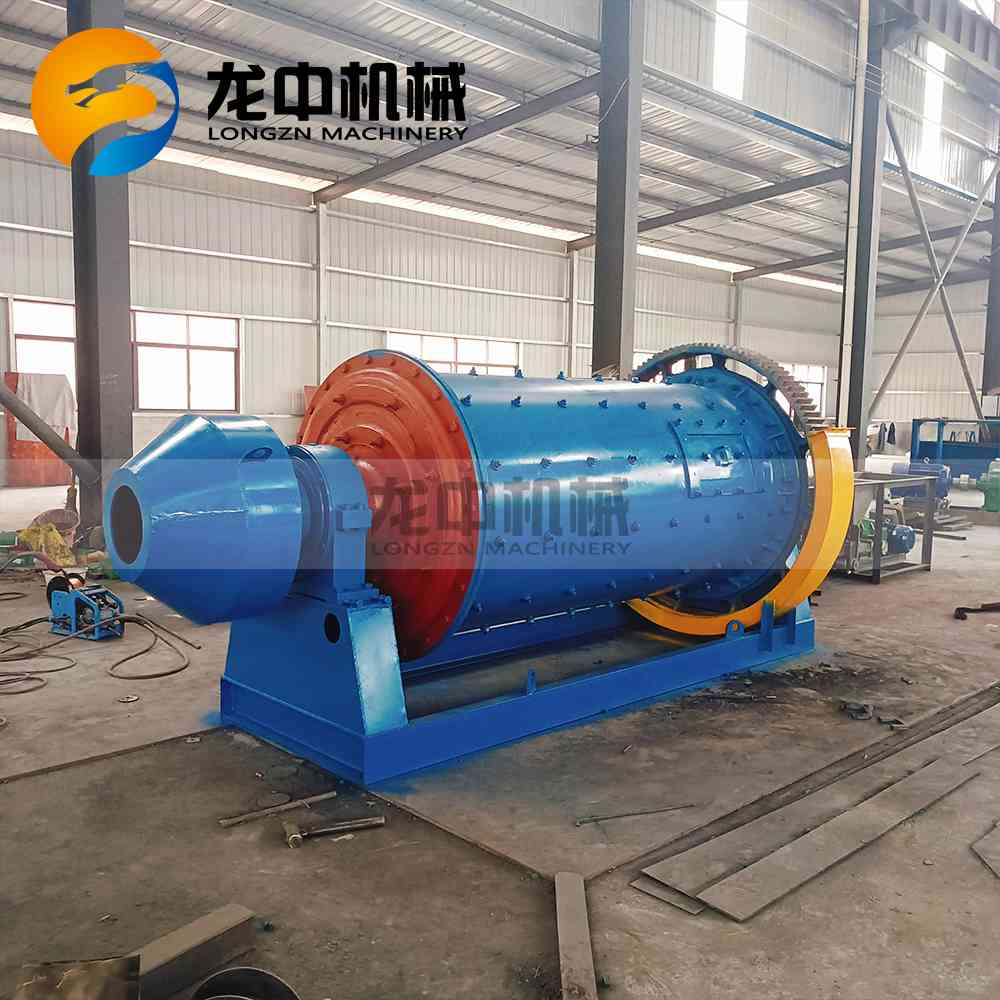
Grinding is a critical step that involves further fine grinding of the screened ore to a specific particle size. Typically, equipment like ball mills or rod mills is used. Under the impact and abrasion of grinding media (such as steel balls or steel rods), the ore particle size is gradually reduced to the micron level or finer. The effectiveness of grinding directly impacts the efficiency of separating valuable minerals from gangue in the flotation process.
Flotation Separation
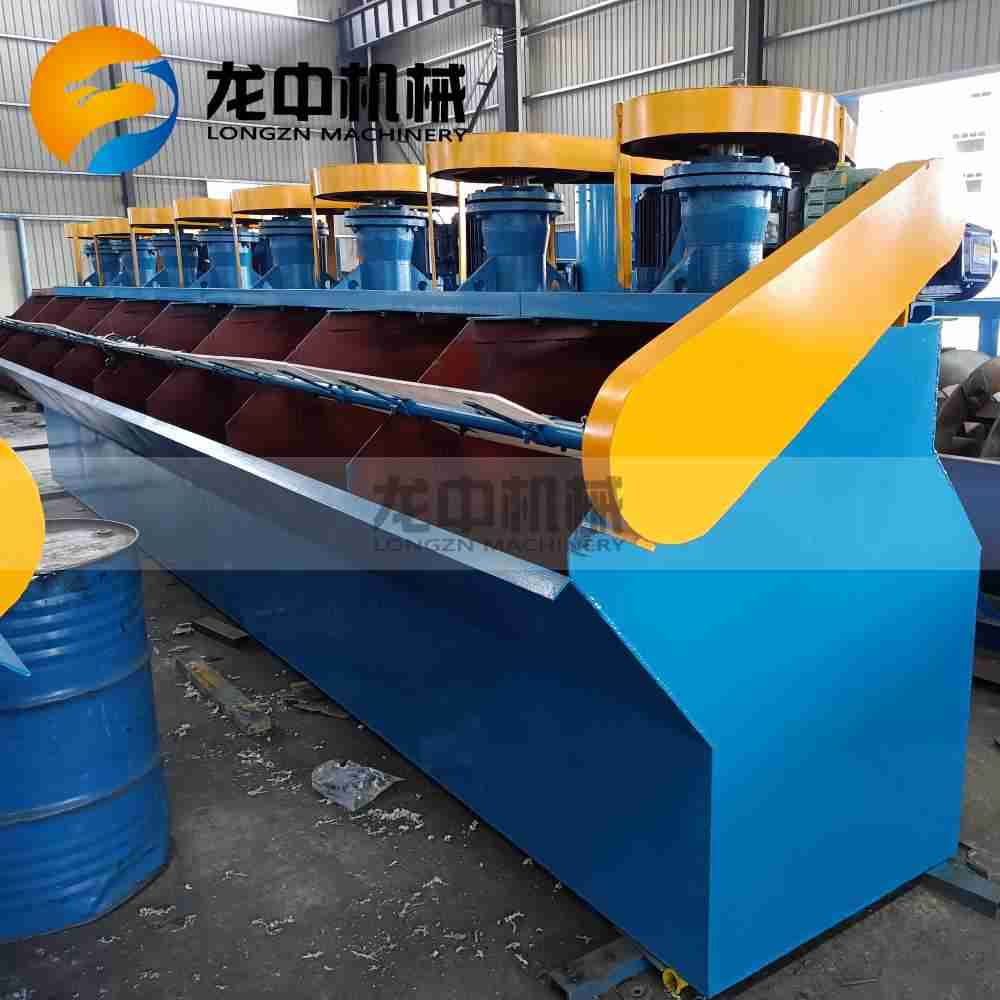
Flotation separation is the core step in bauxite ore beneficiation. It utilizes the differences in physical and chemical properties between minerals. By adding flotation reagents and agitating with aeration, valuable minerals attach to air bubbles, rise to the surface of the pulp to form a froth layer, while gangue and other unwanted minerals remain in the pulp, thus achieving the separation of minerals from gangue. During this process, parameters such as reagent dosage, aeration rate, and agitation intensity must be finely controlled to achieve the optimal separation results.
Drying and Dewatering
The concentrate obtained from flotation requires drying and dewatering treatment to remove excess moisture, facilitating storage and transportation. Common drying equipment, such as rotary dryers or belt dryers, heats and dries the concentrate using hot air or thermal radiation until it meets the specified moisture content requirements.
Final Product Collection
The bauxite concentrate, after drying and dewatering, represents the final product of the beneficiation process. After collection and packaging, this concentrate is transported to smelters for further processing. Throughout the collection process, strict quality inspection of the final product is essential to ensure each batch meets established standards and specific customer requirements.