
E-mail:
sale08@lzxkjx.comCall Us:
+86 15390744145
Main Types and Beneficiation Processes of Beach Sand Deposits
Beach sand deposits are composite minerals formed through the weathering, erosion, and transportation of rocks. They are
rich in various valuable minerals, widely distributed, loosely structured, and easy to mine, giving them very high industrial value.
Source: Main Types and Beneficiation Processes of Coastal Placer Deposits
Beach sand deposits are not single minerals but rather assemblages of various heavy minerals. These mainly include:
Ilmenite: Used to produce titanium dioxide and metallic titanium.
Zircon: Widely used in foundry, ceramics, and refractory materials.
Rutile: Serves as a high-quality titanium raw material.
Monazite: An important rare earth mineral containing light rare earth elements such as cerium, lanthanum, and neodymium.
Cassiterite: A significant source of tin.
To improve the comprehensive resource recovery rate and achieve the efficient recovery of various valuable minerals like ilmenite,
zircon sand, tin ore, tantalum-niobium ore, monazite, and rutile, a combined beneficiation process integrating gravity separation,
magnetic separation, and electrostatic separation is commonly used. The specific process flow is as follows:
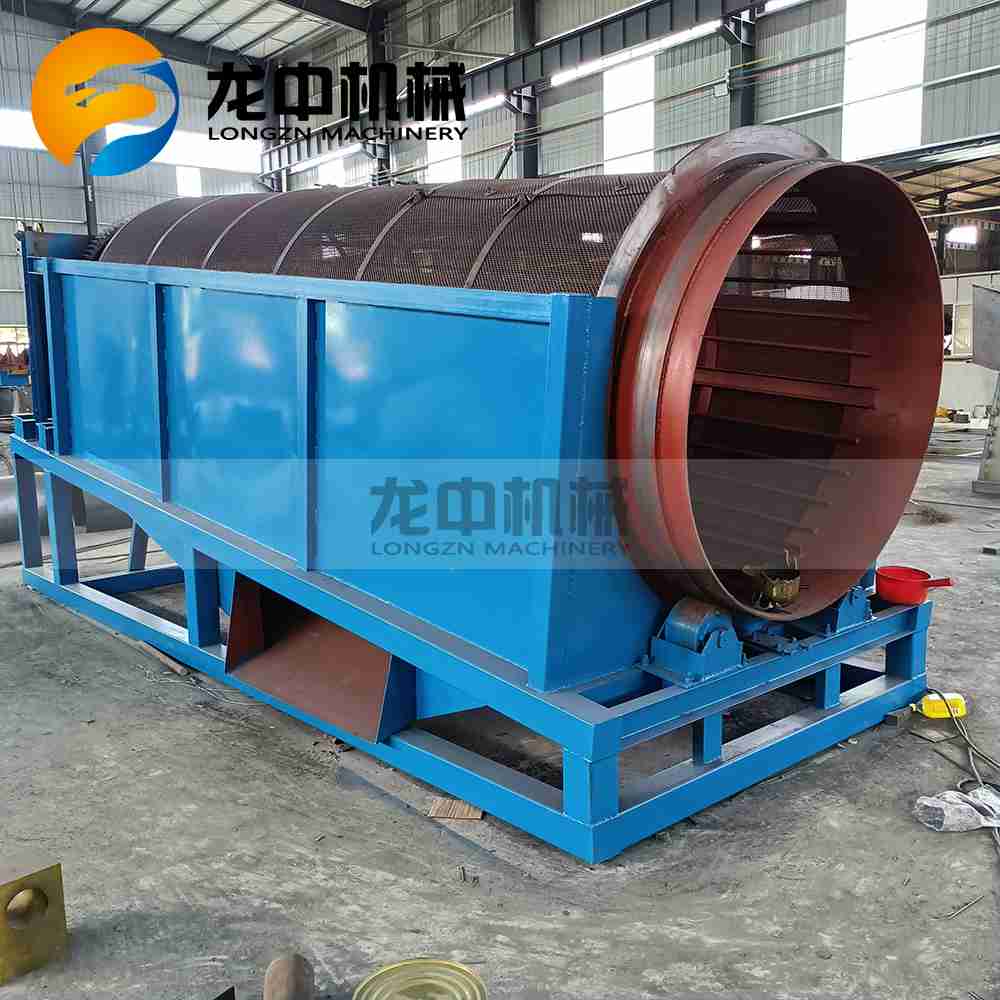
1. Screening & Washing
First, the mined raw beach sand ore enters a Trommel Screen for washing and screening. This step removes impurities such as
clay and organic matter and classifies the material by particle size, providing suitably sized feed for subsequent gravity separation.
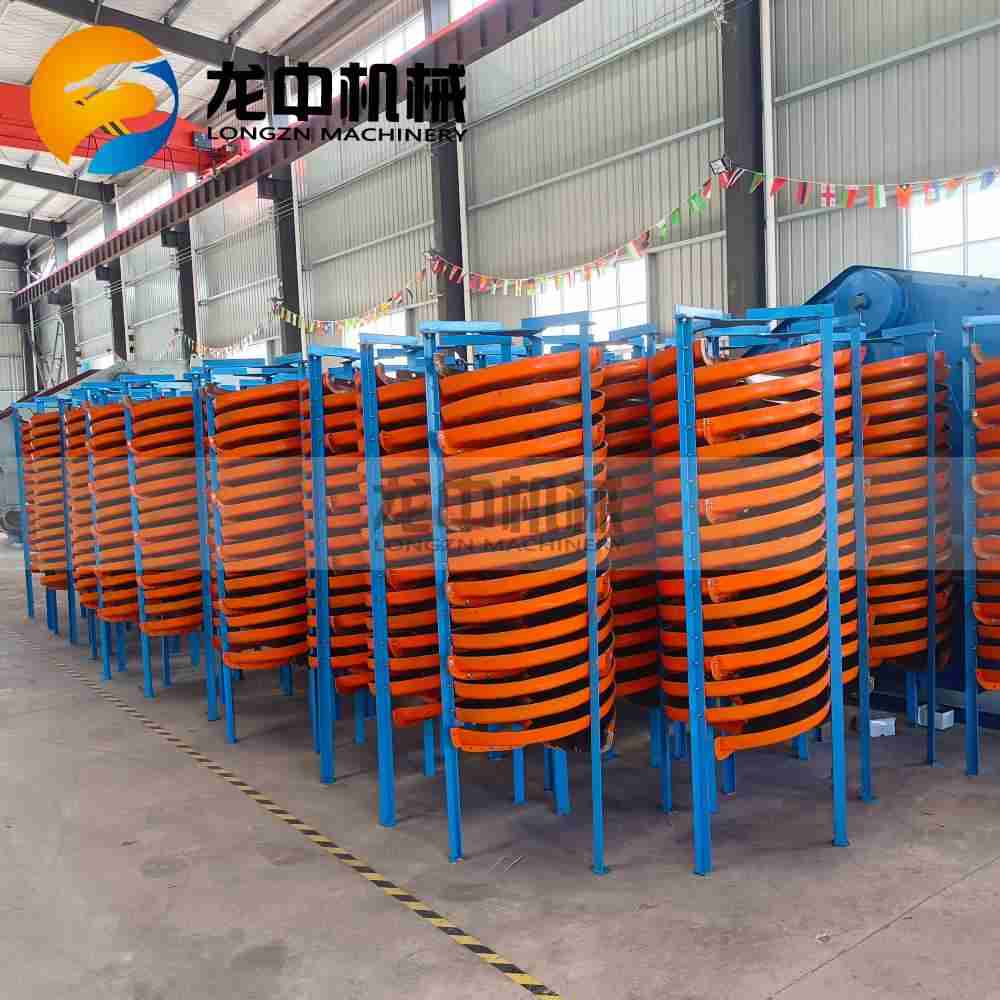
2. Roughing (Gravity Separation)
Next, the screened fine-grained sand enters Spiral Chutes for gravity separation. Utilizing differences in mineral density, and through
the combined action of water flow, gravity, and centrifugal force, high-density minerals like ilmenite and zircon sand are concentrated
in the concentrate trough, achieving initial separation.
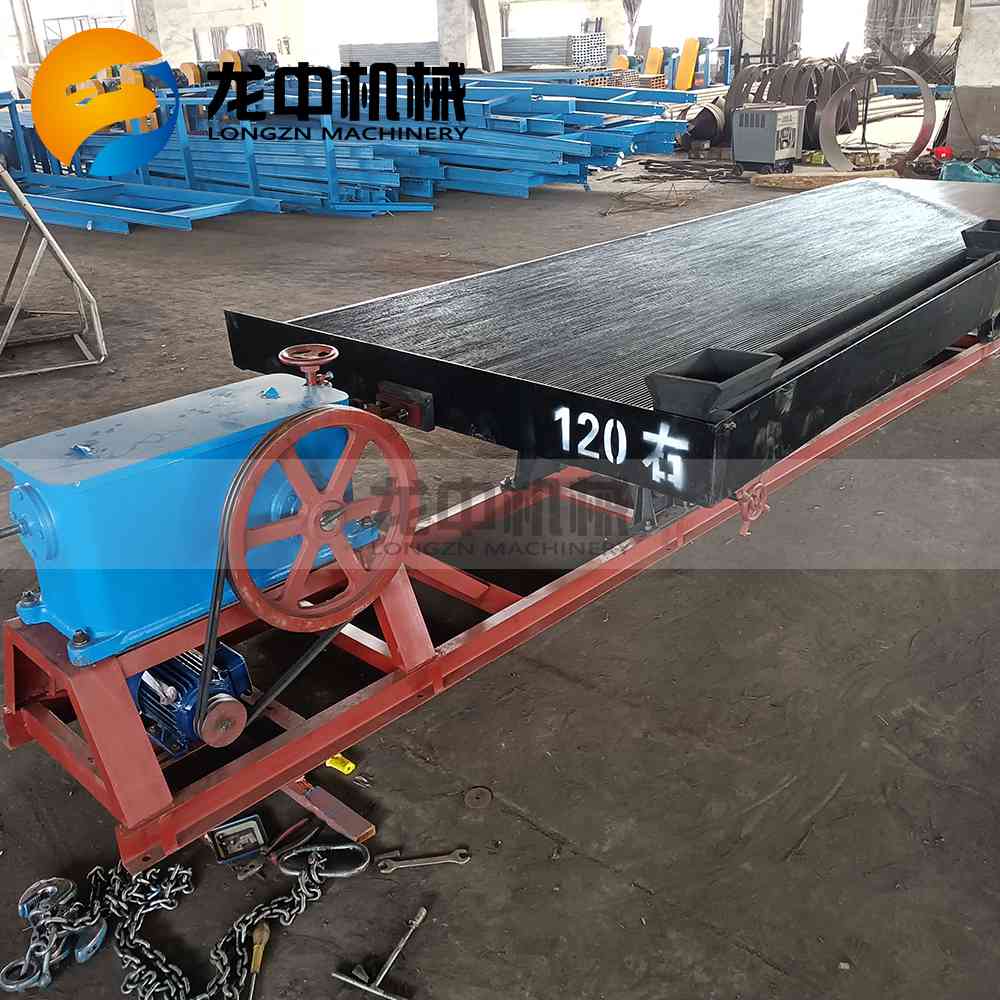
3. Cleaning (Gravity Concentration)
Subsequently, the rough concentrate obtained from the chutes is fed onto Shaking Tables for cleaning. This further separates low-density gangue minerals, such as silica sand, yielding a mixed concentrate of valuable minerals including ilmenite, tin ore, zircon, and tantalum-niobium.
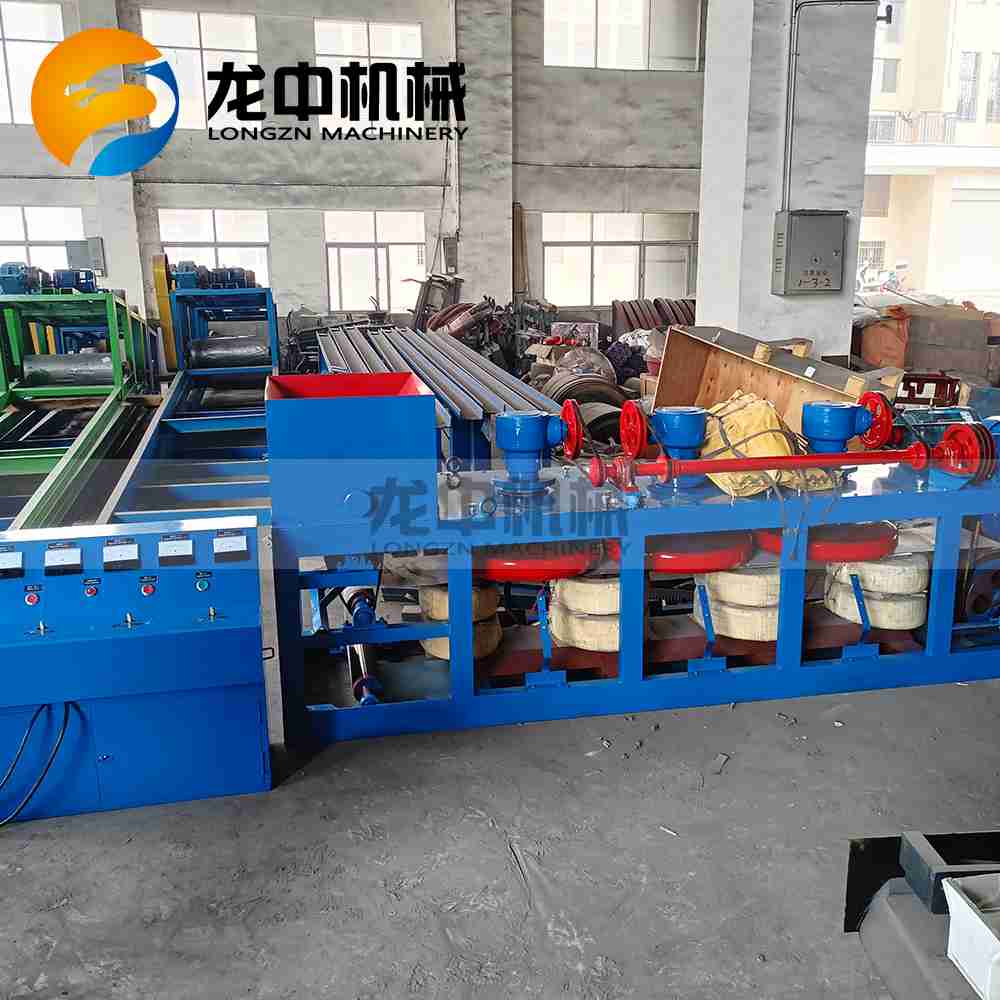
4. Magnetic Separation
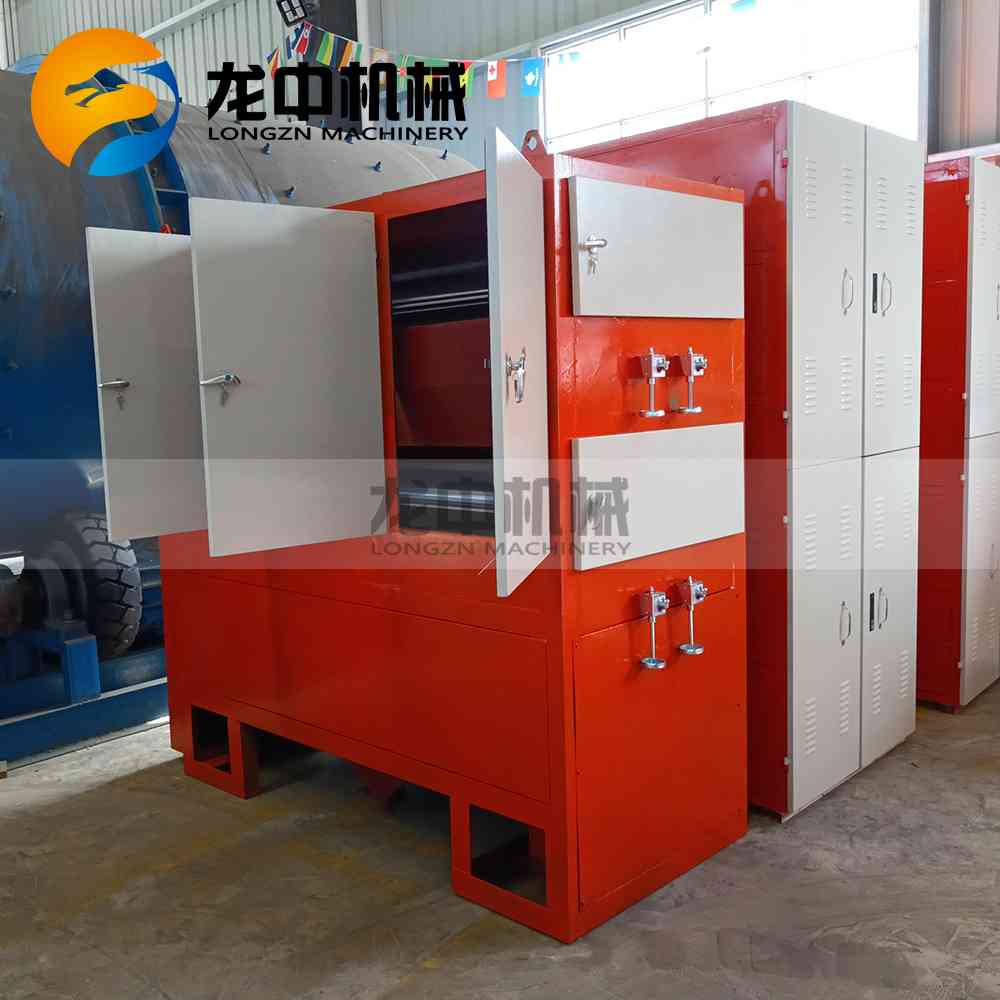
The mixed concentrate is then dried and sent to a Three-disc Belt Magnetic Separator for magnetic separation. By precisely controlling the magnetic field intensity, weakly magnetic minerals such as ilmenite, monazite, and tantalum-niobium ore are efficiently separated.
5. Electrostatic Separation
Finally, the remaining non-magnetic material after magnetic separation primarily contains tin ore, zircon, and rutile. At this stage, a High-tension Electrostatic Separator is used to achieve further efficient separation by exploiting differences in the minerals' electrical conductivity.
This combined gravity-magnetic-electrostatic beneficiation process features high separation efficiency, good resource recovery rates, and strong adaptability. It has been widely adopted in various medium and large-scale coastal placer beneficiation plants.