
E-mail:
sale08@lzxkjx.comCall Us:
+86 15390744145
Rare earth elements are indispensable materials in the development of modern technology, widely used in electronics, energy, metallurgy, and many other fields. Monazite, as an ore rich in rare earth elements, holds significant importance in its beneficiation technology and process flow for improving the utilization efficiency of rare earth resources. This article provides a detailed introduction to the technical characteristics of monazite, its beneficiation process flow, and related considerations.
I. Characteristics of Monazite
Monazite generally refers to ores containing relatively high concentrations of rare earth elements, primarily composed of distinct rare earth minerals such as cerium, lanthanum, neodymium, yttrium, etc., found in monazite minerals. Although the abundance of these elements in the Earth's crust is relatively low, their unique chemical properties and favorable physical characteristics grant monazite an important position among rare earth minerals.
The mineral structure of monazite is relatively complex and it is often associated with other minerals, such as quartz and feldspar. This necessitates the use of specific technical methods during the mining and beneficiation processes to ensure the effective separation and extraction of the rare earth elements.
II. Beneficiation Process Flow
The beneficiation process flow typically includes the following key steps:
Ore Crushing and Grinding
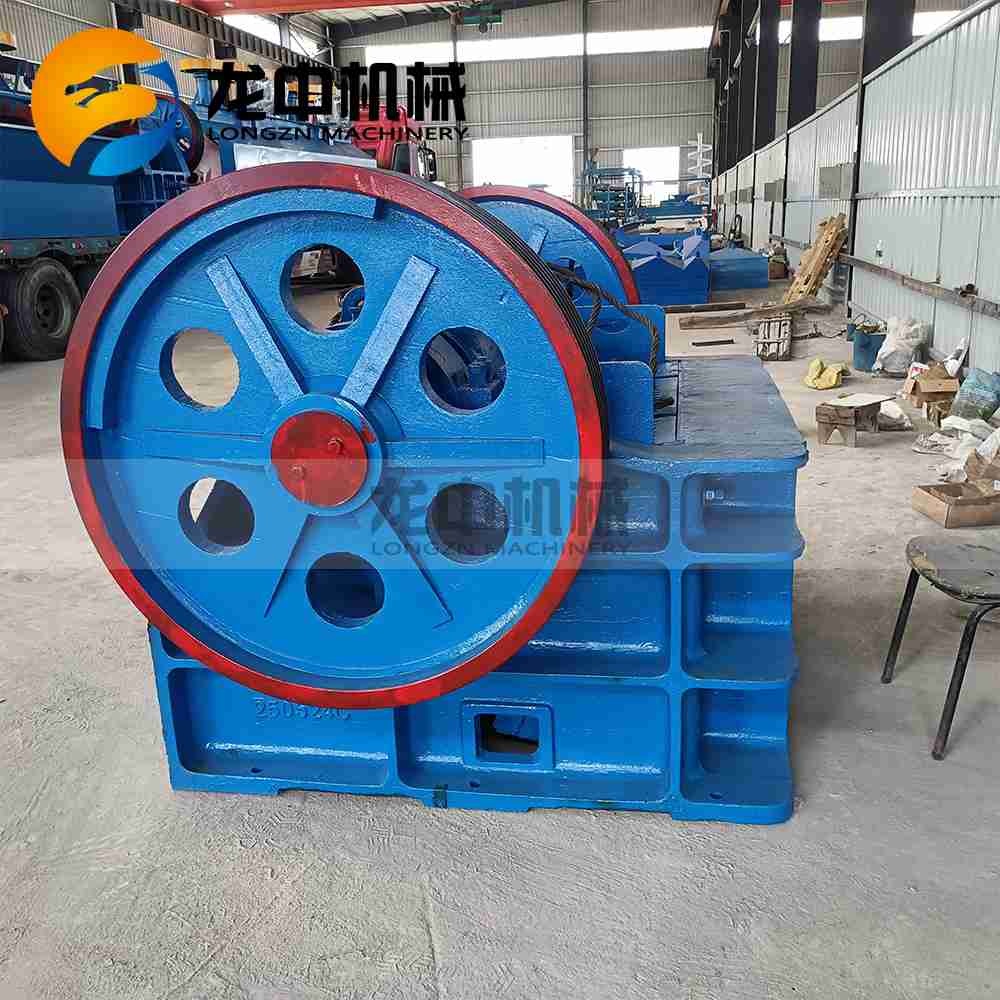
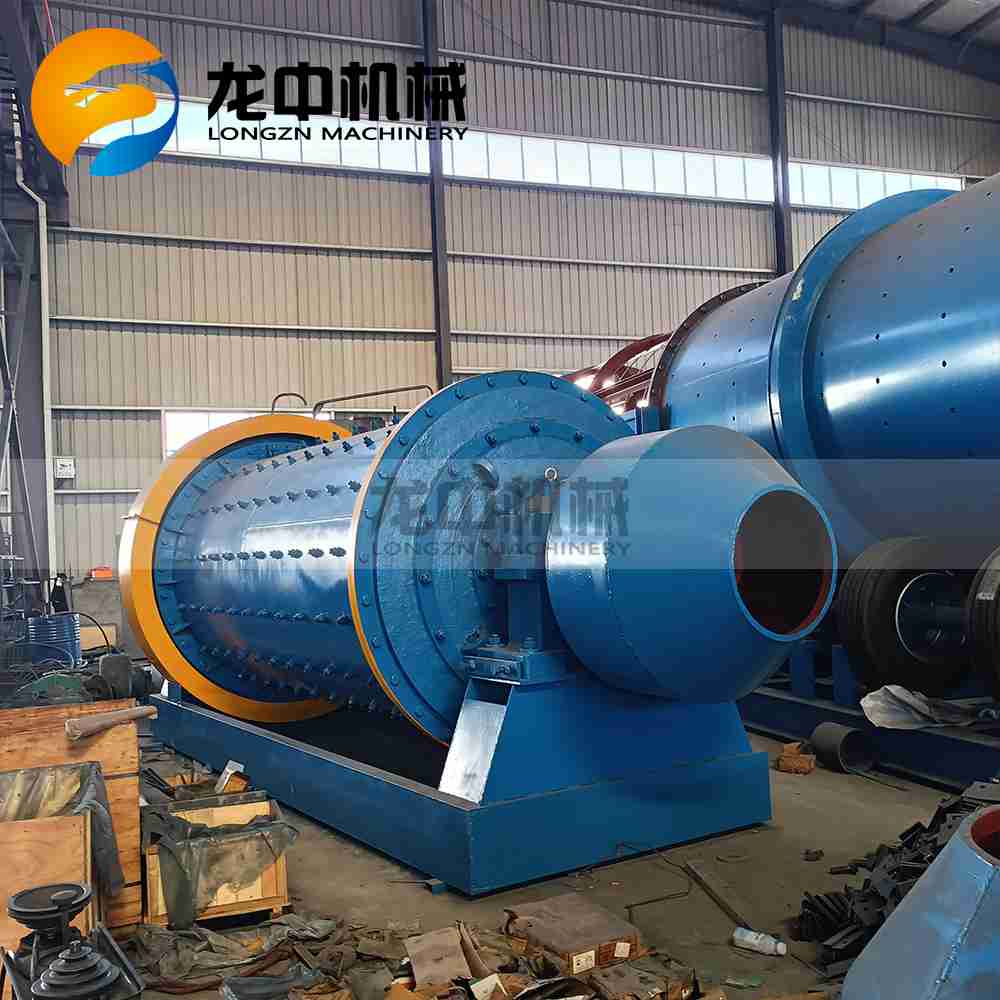
In the initial stage of beneficiation, the raw ore is first crushed to reduce its particle size and increase its surface area. After crushing, the ore enters the grinding stage, where it is further pulverized using ball mills or rod mills, usually until 80% of the ore passes through a 200-mesh screen. This process helps improve the efficiency of subsequent beneficiation steps.
Classification and Concentration
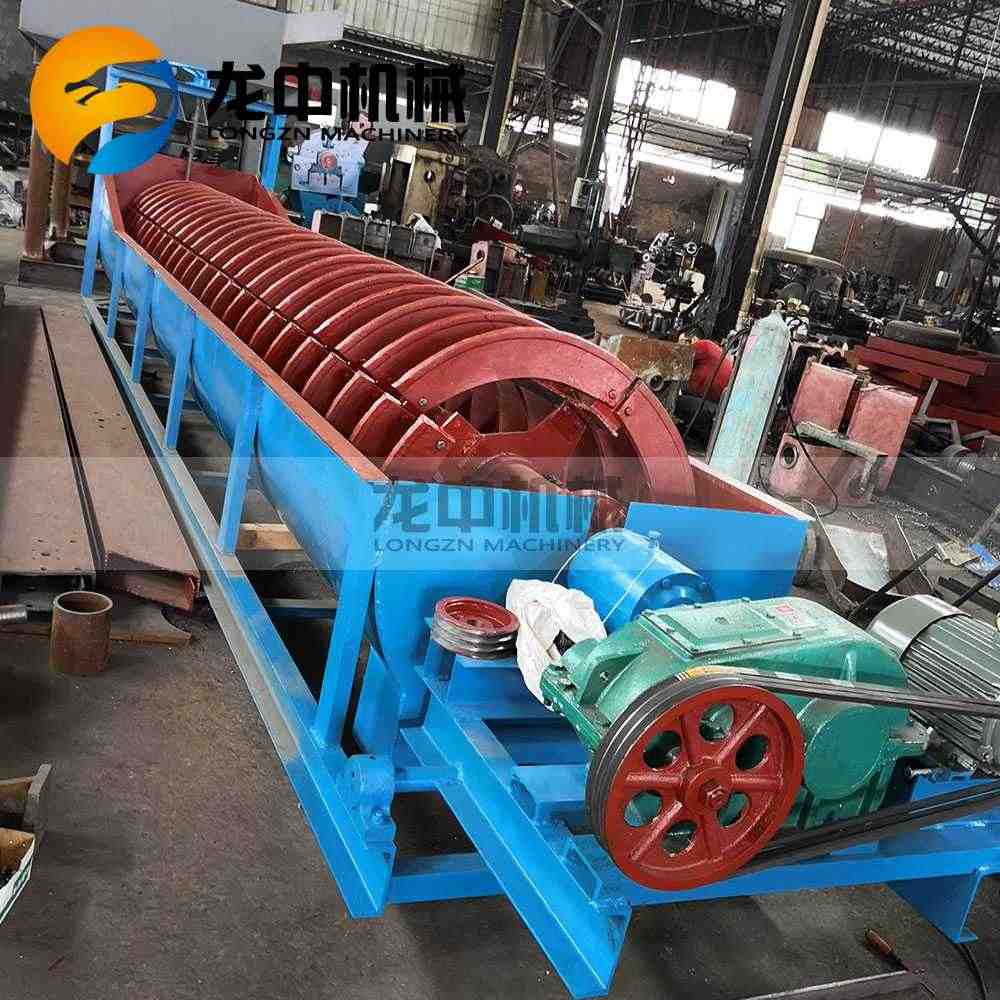
The ground ore is classified using classification equipment, commonly including spiral classifiers and high-frequency screens. The purpose of this stage is to separate fine and coarse particles in the ore for subsequent flotation or gravity separation. Impurities are also removed during classification, enhancing the ore grade.
Flotation
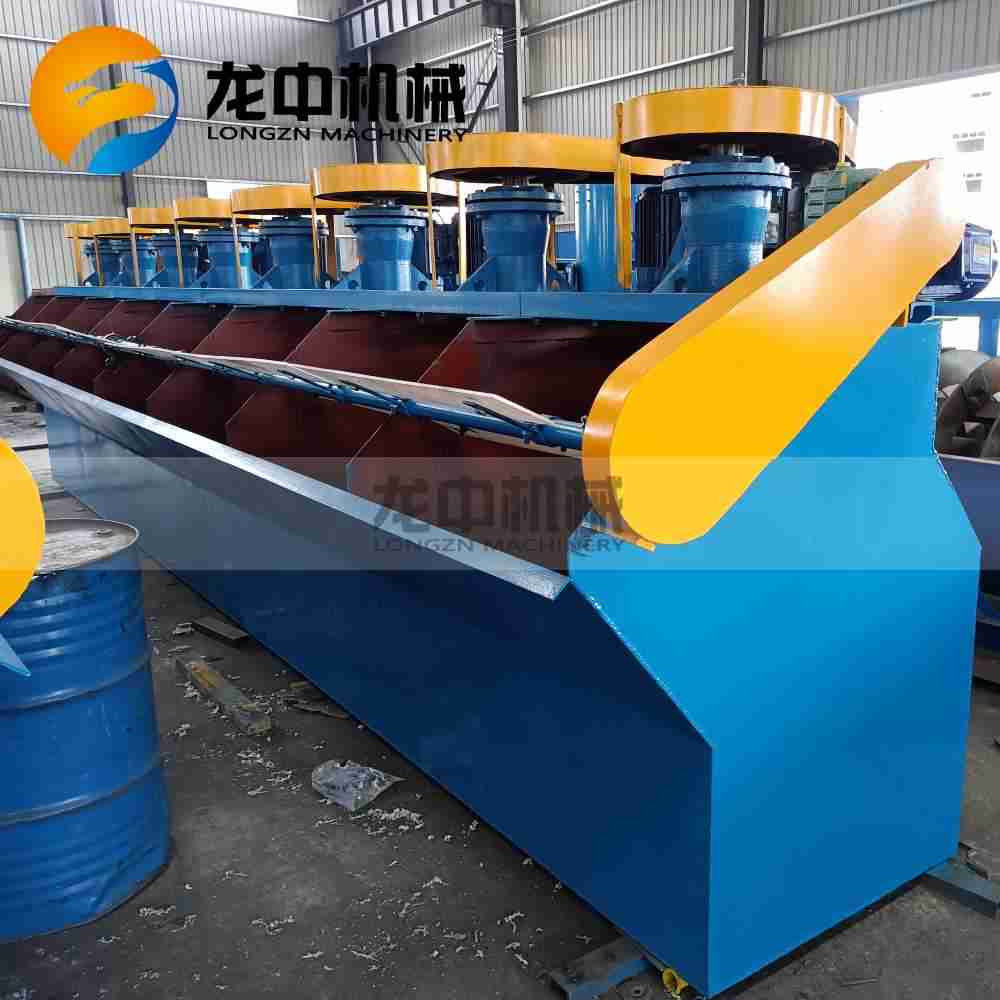
Flotation is one of the most critical steps in the monazite beneficiation process. By adding specific flotation reagents, such as collectors and depressants, and utilizing the differences in the hydrophilicity and hydrophobicity of mineral surfaces, the rare earth minerals are separated from other impurities. During flotation, mineral particles float to the surface buoyed by air bubbles, forming a froth concentrate, while the impurities settle at the bottom of the pulp. After several rounds of flotation, the recovery rate of rare earth elements can be effectively improved.
Dewatering and Drying
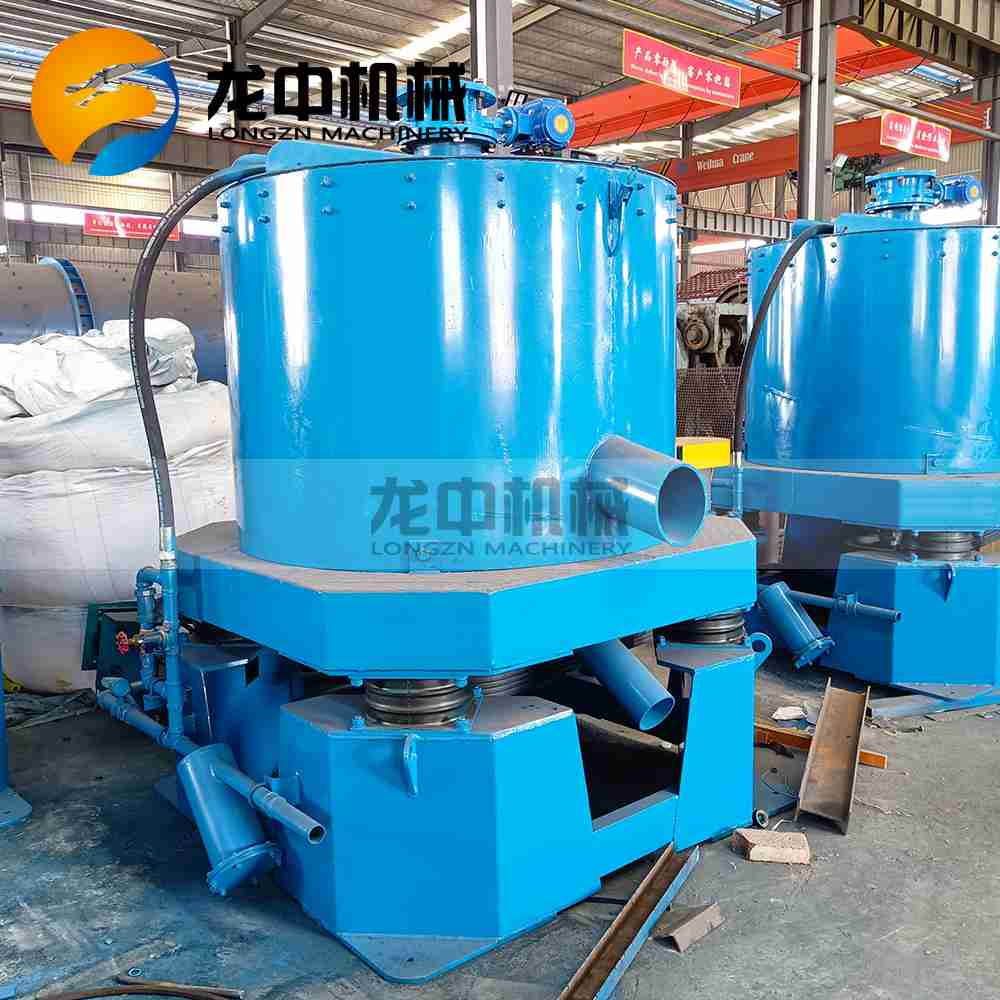
The flotation concentrate contains a high moisture content and requires dewatering. Commonly used dewatering equipment includes centrifugal concentrators and vacuum filters. After dewatering, the concentrate is further dried using drying equipment to ensure the final product's dryness, facilitating subsequent storage and transportation.
Concentrate and Tailings Treatment
The product obtained after flotation and dewatering is called the concentrate, which contains a high concentration of rare earth elements. The ore that cannot be recovered is called tailings. Tailings management is crucial, not only for the effective utilization of resources but also for environmental protection. Tailings can be stored in tailings ponds or, depending on the specific circumstances, reused to reduce resource waste.
III. Key Considerations
Several key considerations require special attention during the monazite beneficiation process:
Selection and Use of Beneficiation Reagents: Different rare earth minerals respond differently to flotation reagents. Therefore, it is necessary to select appropriate flotation reagents based on the ore's characteristics and strictly control their dosage to achieve optimal beneficiation results.
Optimization of Flotation Conditions: The flotation process is influenced by various factors, such as temperature, pH value, bubble size, and concentration. Optimal flotation conditions need to be determined through experimentation to improve the recovery rate of rare earth elements.
Environmental Protection: During the beneficiation process, the discharge of wastewater and exhaust gases must be strictly controlled to avoid environmental pollution. Tailings treatment must also comply with environmental protection requirements to safeguard the ecological environment.
Technological Innovation and Equipment Upgrades: With technological advancements, new beneficiation technologies and equipment continue to emerge. Staying informed about new technologies and promptly implementing equipment upgrades and technical improvements help enhance beneficiation efficiency and reduce production costs.
IV. Summary
The beneficiation process flow for monazite is a complex and systematic process involving the coordination and optimization of multiple stages. Through proper crushing, grinding, classification, flotation, dewatering, and other processes, the recovery rate of rare earth elements can be effectively enhanced, promoting the efficient utilization of rare earth resources. In practice, emphasis must be placed on the selection of beneficiation reagents, optimization of flotation conditions, and environmental protection to ensure the sustainable development of the beneficiation process. With continuous technological progress, it is believed that monazite beneficiation technology will achieve greater breakthroughs, providing further support for the development of the rare earth industry.