
E-mail:
sale08@lzxkjx.comCall Us:
+86 15390744145
Monazite typically exhibits high density, weak electromagnetic properties, unique surface characteristics, and is often associated with minerals such as zircon, ilmenite, rutile, and quartz in placer deposits. Consequently, its beneficiation is a typical combined gravity-magnetic-flotation process, with the core objective of progressively separating high-grade monazite concentrate.
Stage 1: Pre-treatment and Roughing
This stage primarily targets placer deposits, aiming for initial concentration to obtain a heavy mineral concentrate (containing monazite, zircon, ilmenite, etc.).
Mining and Washing: Raw sand is extracted from beaches or rivers using dredgers or shovels. Pebbles, gravel, and clay are removed via rotary scrubbers or vibrating screens.
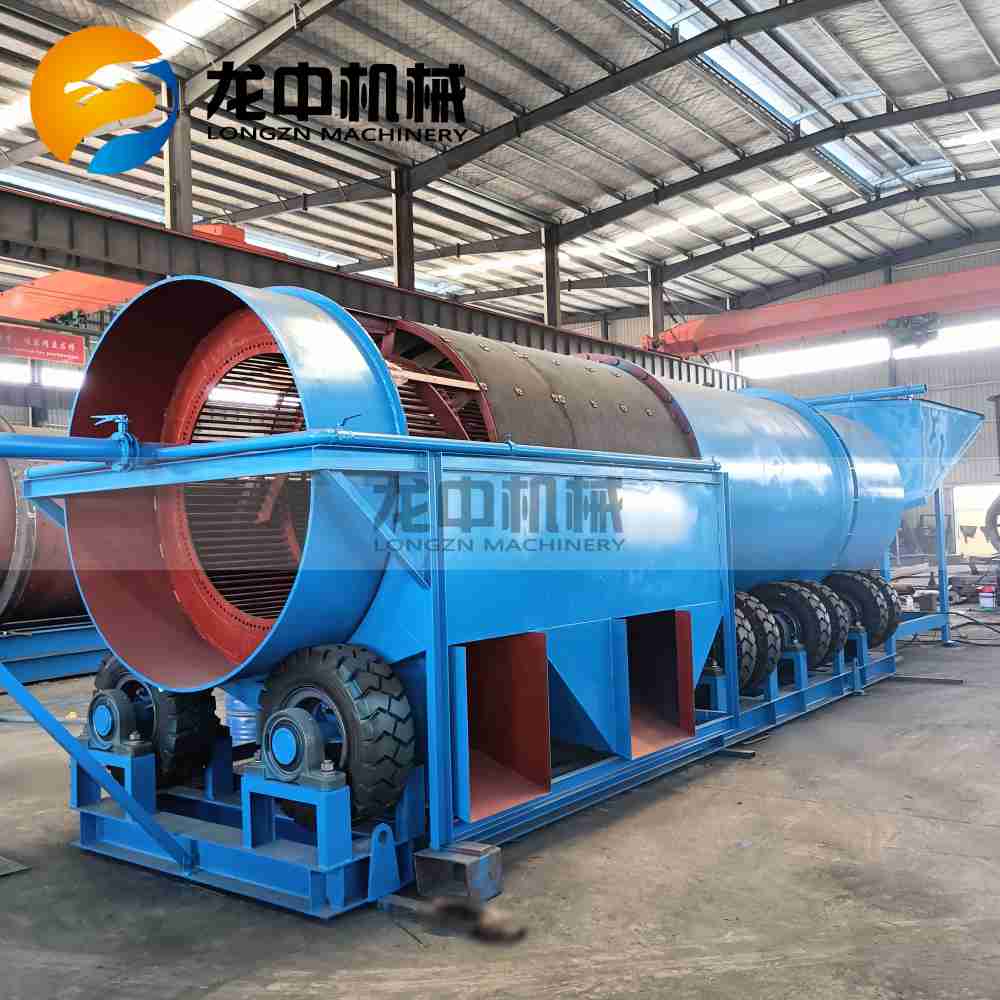
Gravity Separation:
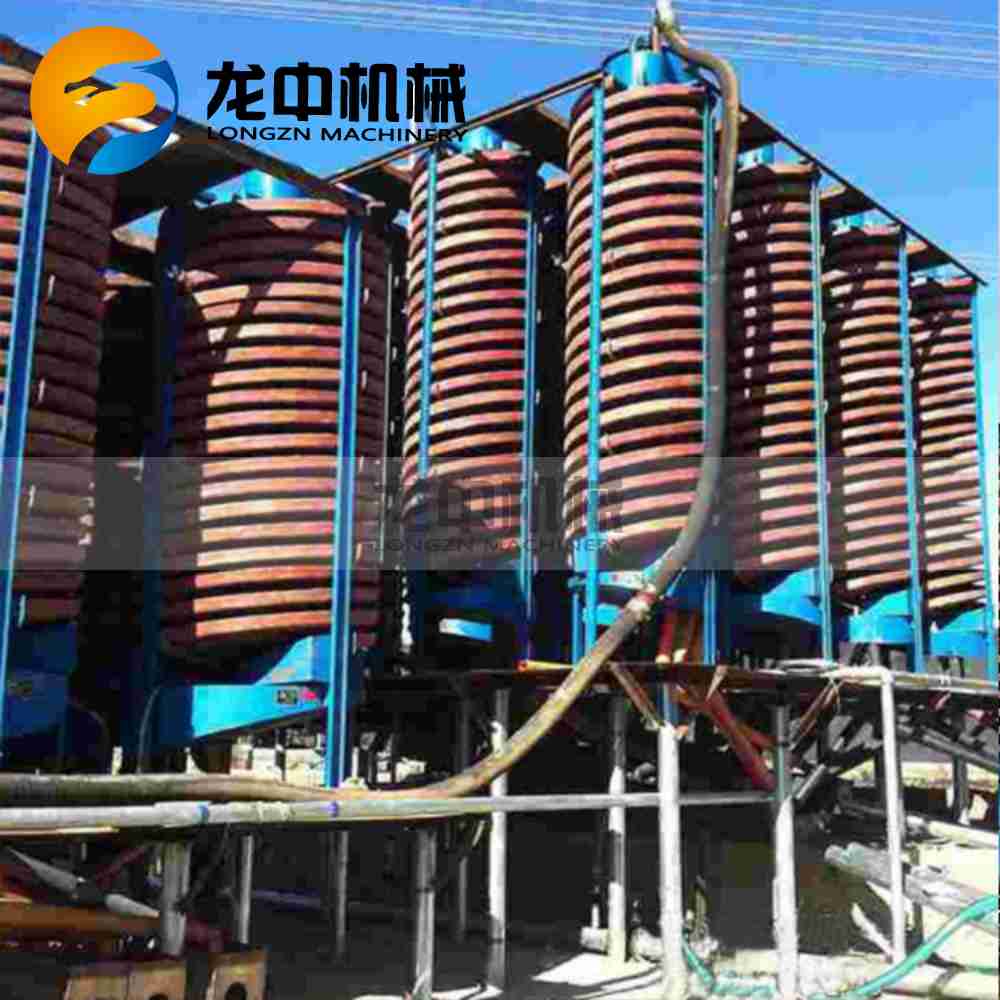
Spiral Concentrator: High processing capacity, low cost; standard roughing equipment for beach sands.
Shaking Table: High separation accuracy, often used for cleaning or lower-capacity operations.
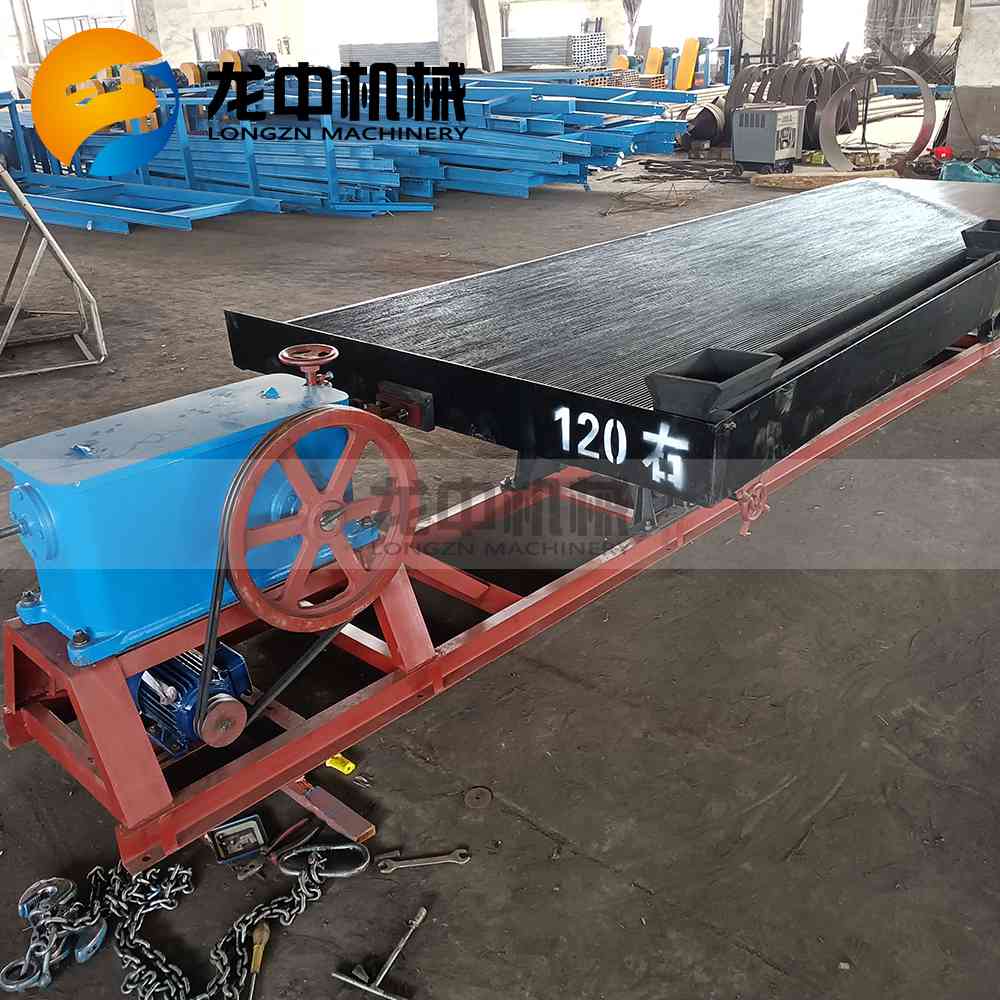
Principle: Utilizes the high density of monazite (4.6-5.7 g/cm³) to separate it from low-density gangue minerals like quartz (2.65 g/cm³).
Product: A "heavy sand" or "heavy mineral concentrate" is obtained, enriched with monazite, zircon, ilmenite, rutile, garnet, etc.
Stage 2: Cleaning and Separation
This is the core and most challenging part of the process, requiring the separation of monazite from the complex heavy mineral mixture. It typically involves a combination of magnetic separation, electrostatic separation, flotation, and other methods.
Magnetic Separation - Key Step
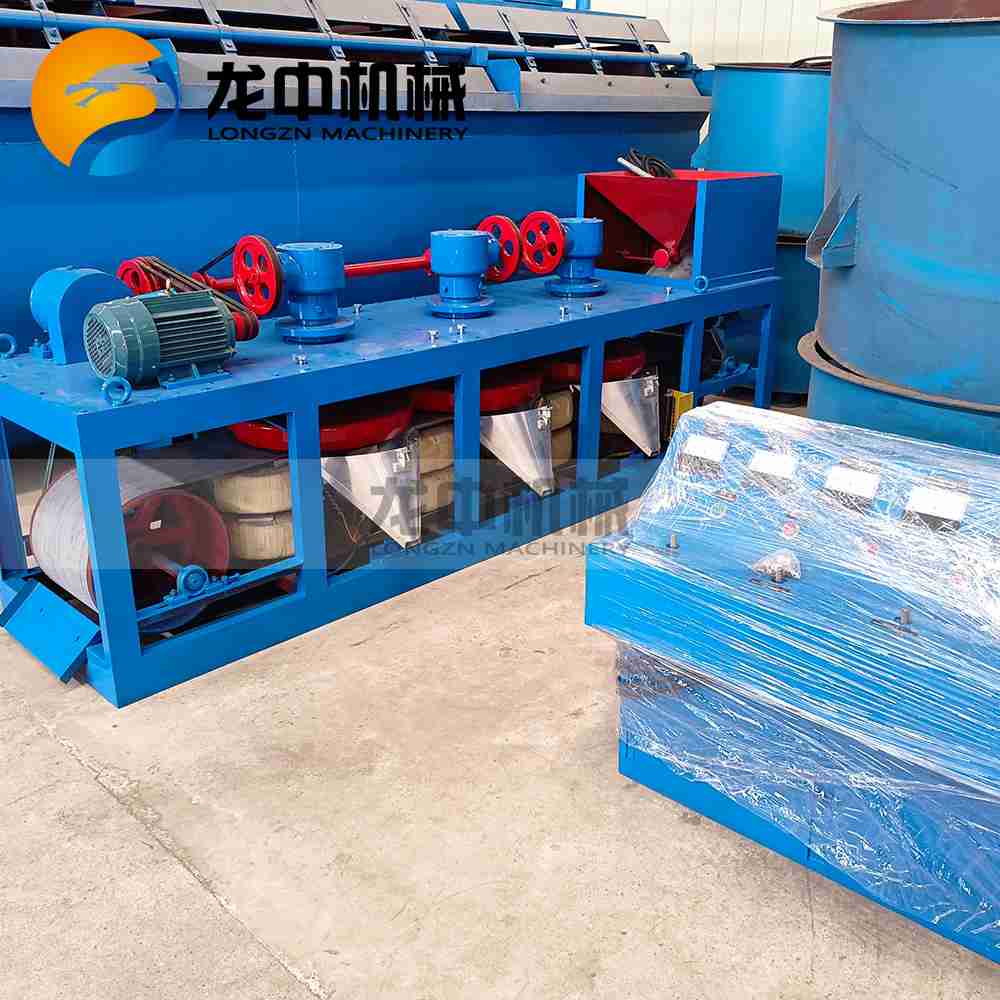
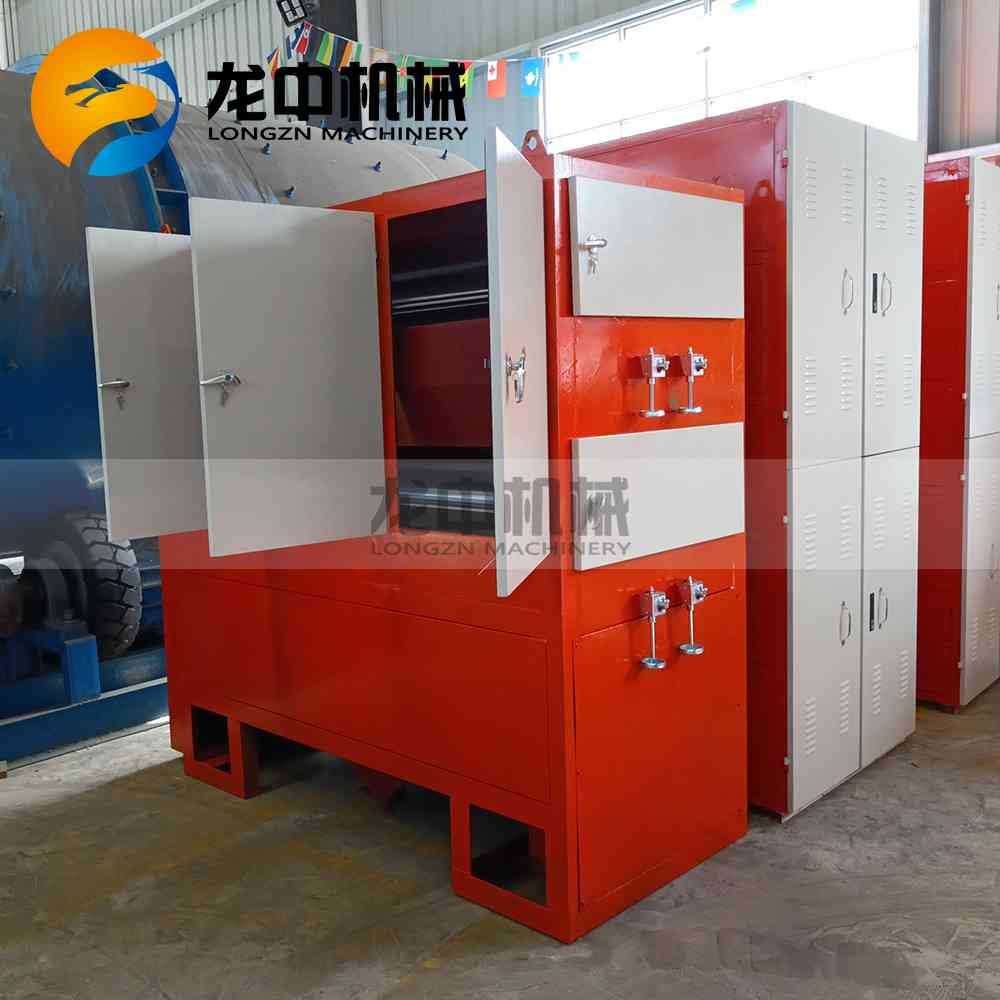
High-Intensity Magnetic Separation (HIMS): First, strongly magnetic ilmenite and garnet are separated using a high-intensity magnetic separator (e.g., induced roll magnetic separator).
Medium/Weak Intensity Magnetic Separation: The magnetic field is then adjusted to extract monazite. Monazite, being weakly magnetic, reports to the magnetic product.
Non-Magnetic Product: The remaining non-magnetic product is primarily enriched in zircon and rutile.
Principle: Monazite possesses weak electromagnetic properties (due to its rare earth and thorium content). By adjusting the magnetic field intensity of the separator, it can be separated from non-magnetic minerals (e.g., zircon) and strongly magnetic minerals (e.g., magnetite, ilmenite).
High-Tension Electrostatic Separation
Principle: Separates minerals based on differences in electrical conductivity within a high-voltage electric field. Monazite is a poor conductor, while rutile and ilmenite have relatively better conductivity.
Application: Mainly used to separate zircon (poor conductor) from rutile (conductor), and also for further purification of the monazite concentrate by removing residual conductive minerals.
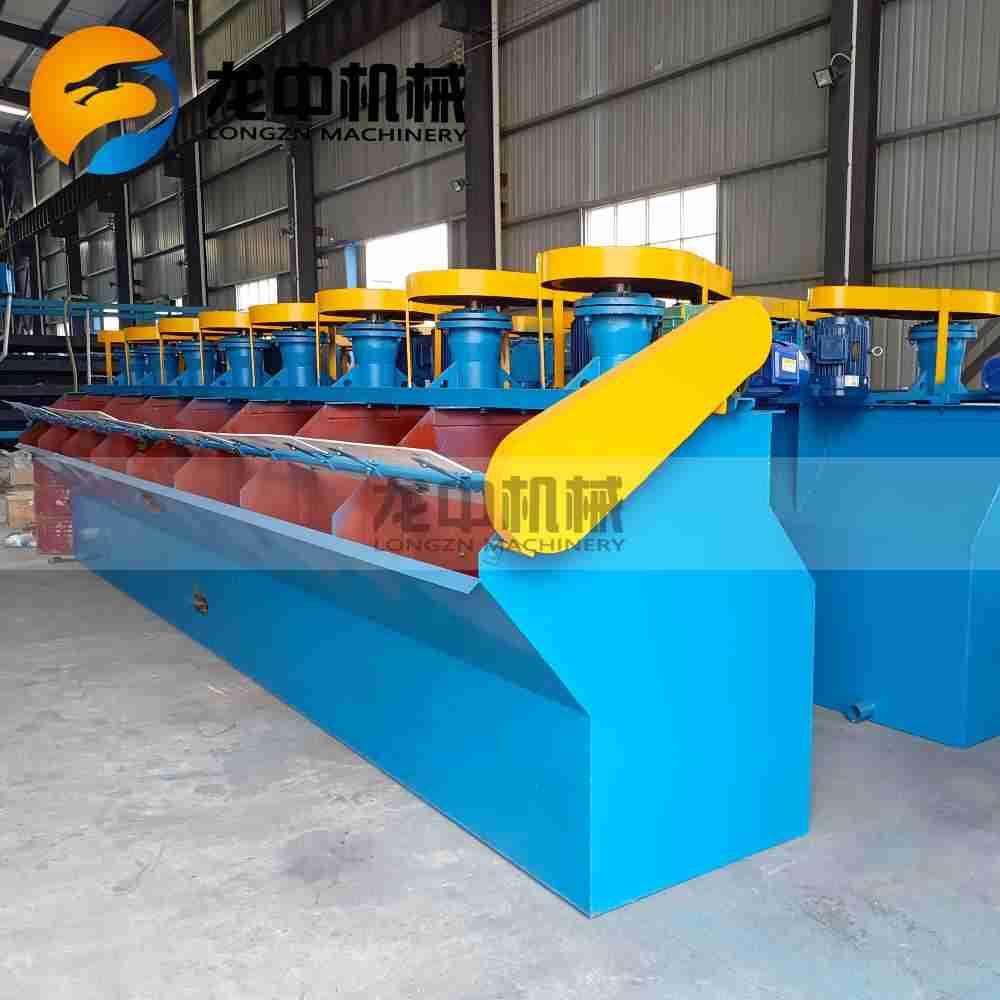
Flotation - Core Purification Method
Modifiers/Depressants: Commonly used depressants like oxalic acid and sodium silicate inhibit zircon and quartz.
Collectors: Fatty acid collectors (e.g., oleic acid, oxidized paraffin soap) or hydroxamate collectors are used, which selectively adsorb onto the monazite surface, rendering it hydrophobic.
pH Modifiers: Flotation is typically conducted under acidic or weakly acidic conditions (pH 2-6), the optimal environment for monazite flotation.
Principle: When magnetic and electrostatic separation cannot achieve a sufficiently high-grade concentrate, flotation is the final and most effective purification method. It exploits differences in the physicochemical surface properties between monazite and minerals like zircon and quartz.
Reagent Scheme (Critical):
Process: After flotation (often involving one roughing, two scavenging, and three cleaning stages), a high-quality monazite concentrate with a grade exceeding 95% can be obtained.
Other Methods:
Electrostatic Separation: Similar to high-tension separation, used for separating minerals based on conductivity differences in a dry environment.
Acid Leaching: Leaching the monazite concentrate with dilute acid can remove surface contaminants and some radioactive elements, further improving product quality.
III. Process Characteristics and Considerations
Radiation Safety: This is the paramount concern throughout the entire process. Workers must be equipped with protective gear; dust and radiation must be monitored; and tailings require proper disposal and management.
Integrated Process: No single method can effectively separate monazite. A flexible combination of gravity-magnetic-flotation-electrostatic separation must be employed based on the ore's characteristics.
Reagent Sensitivity: The flotation process is highly sensitive to reagent type, dosage, and pH. Detailed beneficiation testing is necessary to determine optimal conditions.
Comprehensive Resource Recovery: Monazite is rarely the sole target mineral. An economically viable plant must comprehensively recover other valuable heavy minerals like zircon, ilmenite, and rutile to achieve product diversification.
Summary
Monazite is an important source of light rare earth elements and thorium, primarily recovered from placer deposits. Its beneficiation is a typical multi-step physico-chemical separation process:
Run-of-Mine Ore → Washing/Screening → Gravity Separation (Spiral /Shaking Table) → Heavy Sand Concentrate → Magnetic Separation (Remove Ilmenite/Garnet, Concentrate Monazite) → Electrostatic Separation/Flotation (Separate Zircon/Rutile, Purify Monazite) → Monazite Concentrate.
Throughout the entire process, radiation protection and comprehensive resource recovery are crucial for ensuring the project's technical, economic, and environmental feasibility.