
E-mail:
sale08@lzxkjx.comCall Us:
+86 15390744145
The lithium ore beneficiation process is a complex and refined procedure, primarily aimed at removing impurities, enriching lithium content, and processing raw ore into high-grade lithium concentrate. The entire process can be divided into four key stages: pretreatment, grinding and classification, separation, and concentrate dewatering.
Main Process Flow
Pretreatment Stage
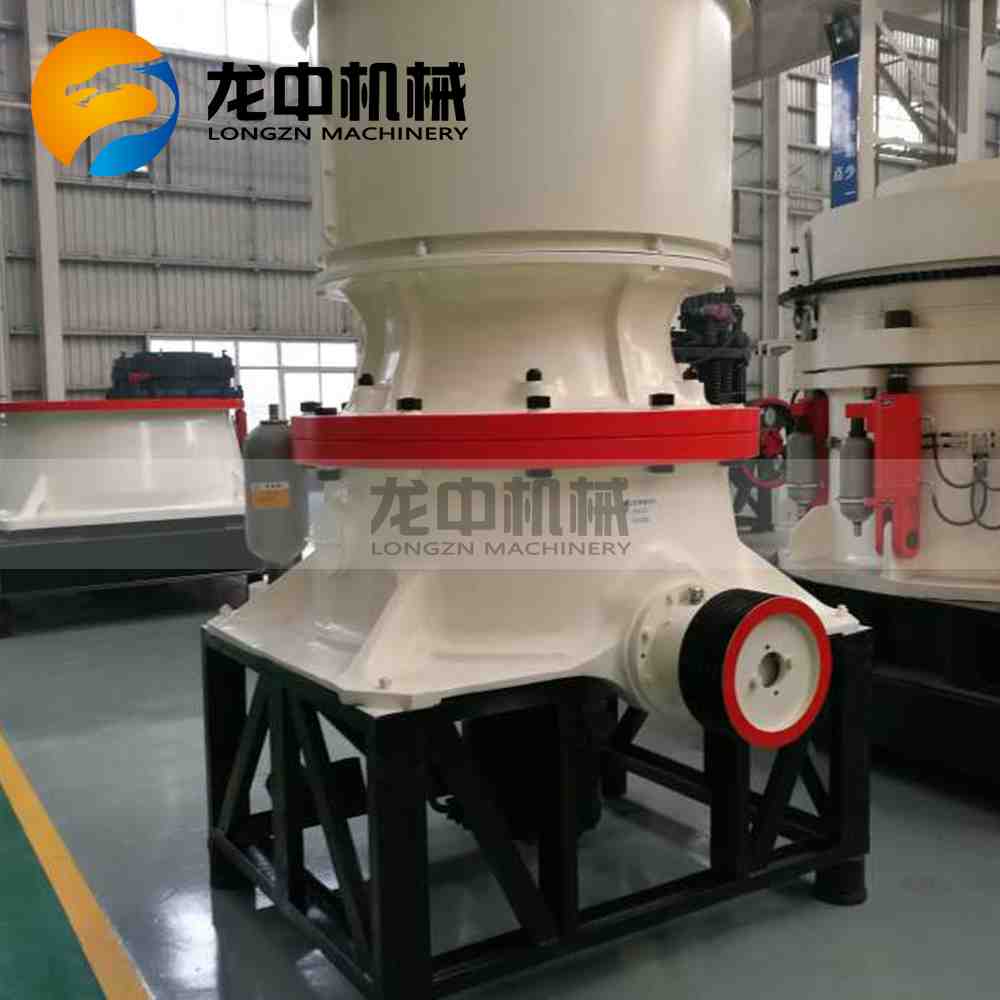
Crushing and Screening Operation: Large pieces of mined lithium ore are first subjected to coarse crushing using electromagnetic beneficiation equipment, reducing the raw ore to 20–50 mm. This is followed by fine crushing with a cone crusher to achieve a particle size of 5–10 mm. A vibrating screen separates ores of different sizes, with qualified particles proceeding to the next stage, while oversized particles are returned for recrushing.
Grinding and Classification Stage
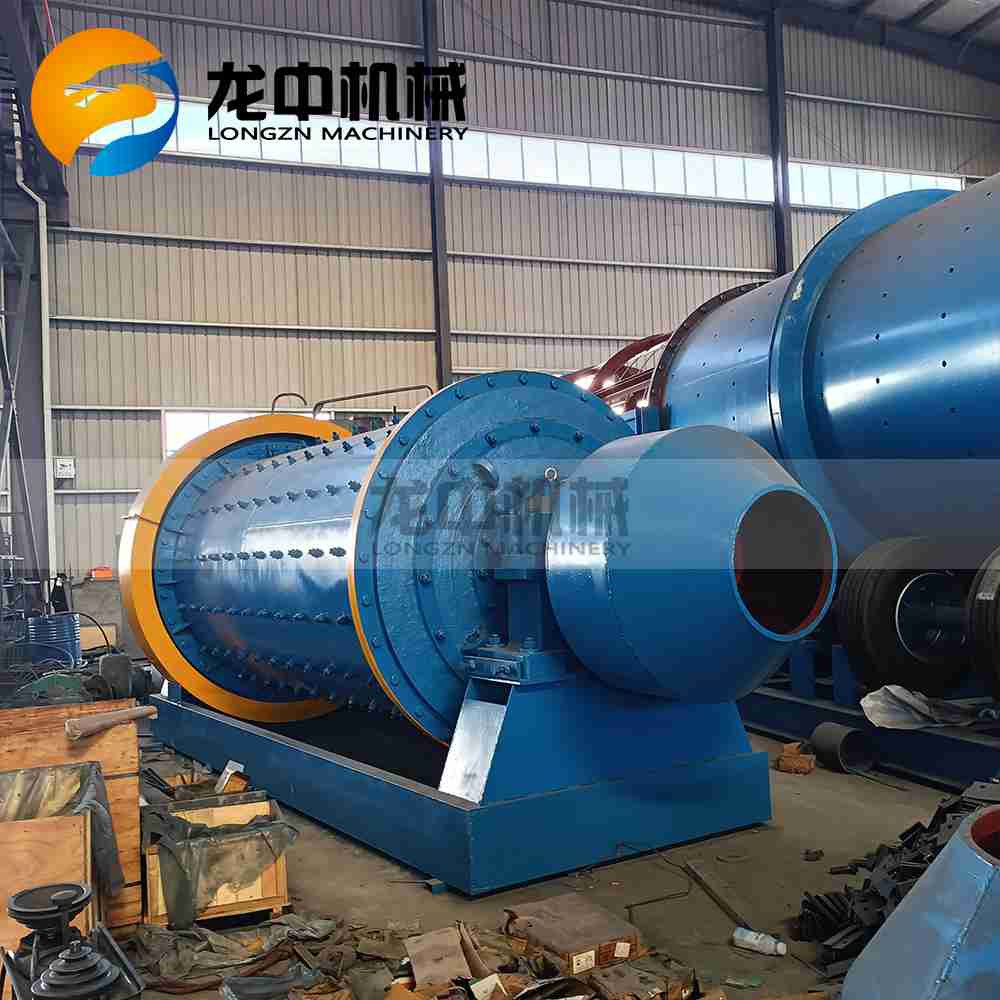
Grinding Operation: A ball mill grinds the ore into fine particles of 0.074–0.15 mm, ensuring sufficient dissociation of lithium minerals from gangue. The required grinding fineness is such that particles below 0.074 mm account for over 75% of the total, which is critical for effective flotation.
Classification Operation: A spiral classifier or hydrocyclone separates the ground particles. Coarse particles are returned to the ball mill for regrinding, while fine slurry proceeds to the separation stage.
Separation Process Stage
Flotation Method (Primary Process)
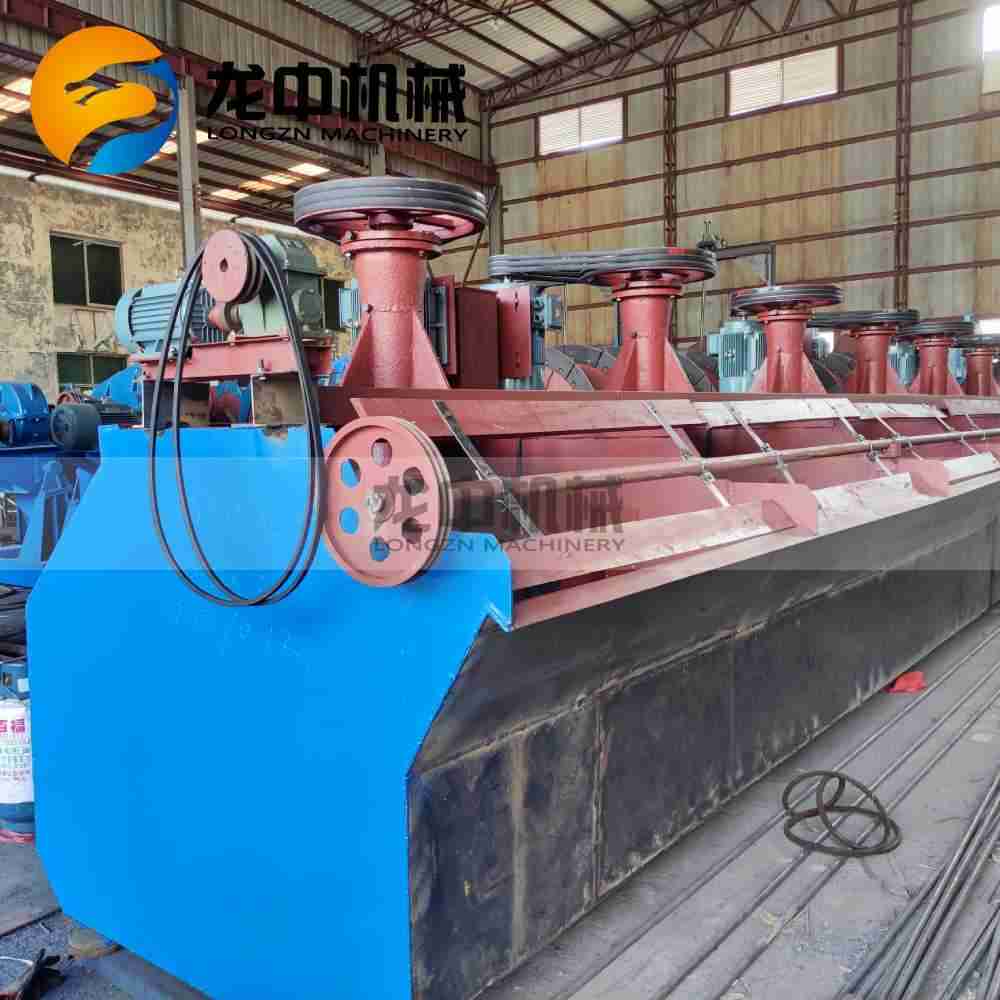
Flotation is the core technology in lithium ore beneficiation, utilizing differences in the physicochemical properties of mineral surfaces to separate minerals. Froth flotation is predominantly used, whereby valuable minerals selectively attach to air bubbles in the slurry and rise to the surface, separating them from gangue.
Main flotation processes include:
Auxiliary Separation Methods
Magnetic Separation: Mainly used to treat minerals containing iron impurities. High-intensity magnetic separation removes iron-bearing impurities to produce low-iron spodumene concentrate.
Heavy Media Separation: For spodumene with relatively coarse crystalline grain size, heavy media separation is applied to separate lithium ore into the heavy mineral product.
Direct Flotation Process: In an alkaline medium, after high-density conditioning, intense agitation, and multiple scrubbing and desliming, oleic acid or its soaps are added as collectors to directly float lithium concentrate.
Reverse Flotation Process: Lime is used to create an alkaline environment, while starch or dextrin is added to depress lithium minerals. Cationic collectors are then employed to float silicate gangue minerals to the surface for removal.
Pre-desliming–Flotation Process: A desliming step is introduced prior to flotation to minimize the adverse effects of slime. A closed-circuit flotation flowsheet consisting of one roughing, two cleaning, and two scavenging stages is adopted.
Concentrate Dewatering Stage
Thickening: A thickener reduces the moisture content of the concentrate slurry from 40%–50% to 20%–30%.
Filtration: A vacuum filter further reduces moisture to 8%–12%.
Drying: A dryer lowers the moisture content to below 5%, producing a final lithium concentrate product suitable for storage and transportation.
Process Characteristics and Advantages
Through the above process flow, the lithium concentrate grade can be increased from 1%–3% in raw ore to over 6%–8%, providing high-quality feedstock for subsequent smelting. The flotation process typically adopts a closed-circuit flowsheet of "one roughing, one scavenging, and multiple cleaning stages." Roughing rapidly captures most lithium minerals, scavenging recovers residual lithium, and 3–5 cleaning stages progressively remove locked particles and mixed gangue, which is the core guarantee for improving lithium concentrate grade.