
E-mail:
sale08@lzxkjx.comCall Us:
+86 15390744145
Gold tailings are solid wastes generated during gold ore beneficiation and smelting processes. They typically contain recoverable amounts of gold (generally 0.1–1.0 g/t) along with other valuable elements such as silver, copper, lead, zinc, sulfur, and iron, thus presenting significant recovery potential. The beneficiation process for gold tailings must be designed based on their mineral composition, gold occurrence mode, particle size distribution, and types of associated valuable elements. An integrated approach covering “pretreatment – target element recovery – comprehensive utilization – environmental treatment” is essential to achieve efficient resource recovery while meeting environmental standards. The following outlines the detailed process flow:
Before process design, chemical analysis, phase analysis, and particle size analysis are conducted to determine tailings properties and guide process selection:
Chemical Analysis
Determines the content of gold, silver, copper, lead, zinc, sulfur, iron, etc. (e.g., gold grade 0.3–0.8 g/t; sulfur content 5%–15%).
Phase Analysis
Identifies gold occurrence modes (free gold, gold locked in sulfide minerals, gold encapsulated in oxide minerals, etc.). For instance, if 70% of gold is locked in pyrite, sulfide mineral liberation becomes a prerequisite.
Particle Size Analysis
Determines size distribution (e.g., -200 mesh accounting for 60%, or presence of coarse particles >0.5 mm) to evaluate the need for further crushing or classification.
Other Characteristics
Include slurry viscosity (high viscosity due to clay minerals may require desliming), pH value, and harmful impurities (e.g., arsenic, mercury content).
Since tailings have already undergone primary beneficiation, their size and composition are often complex. Pretreatment aims to liberate target minerals and remove interfering substances to improve subsequent separation efficiency.
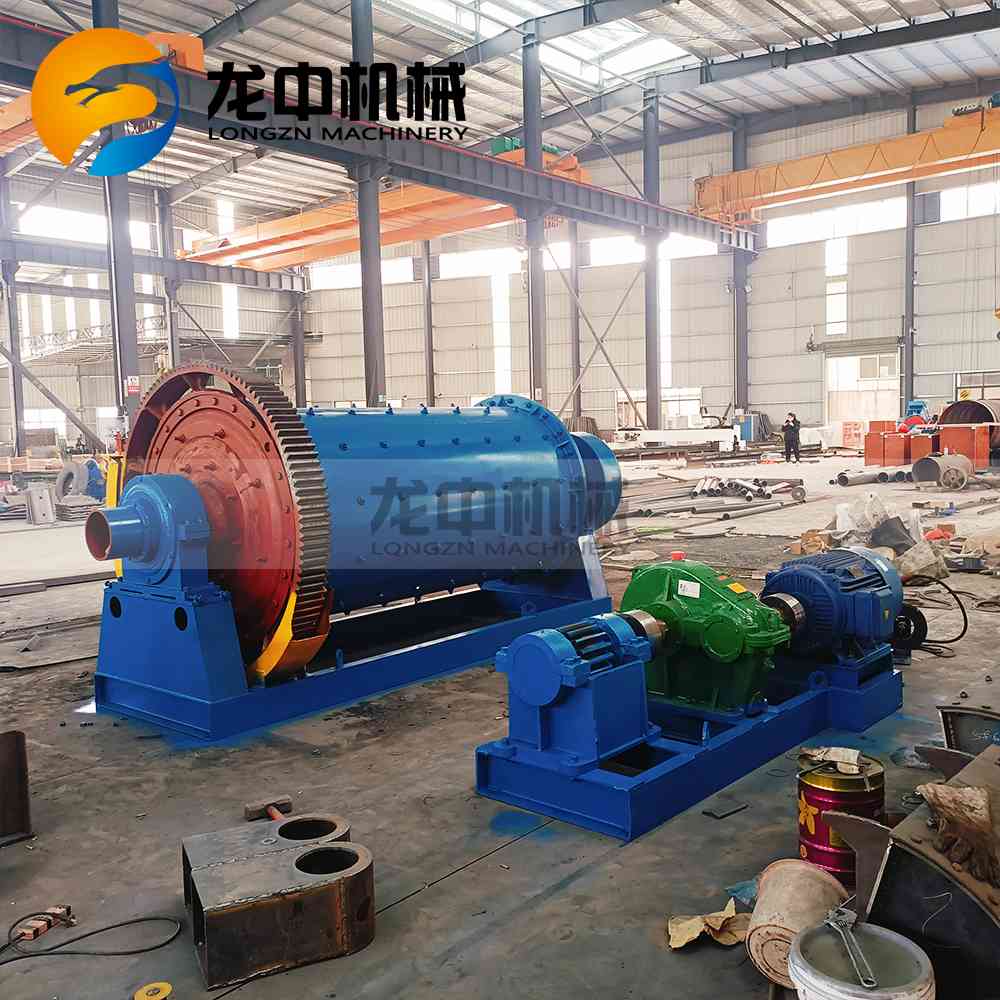
If coarse particles (>0.1 mm) containing gold are present, further grinding (e.g., ball milling or rod milling) is applied to achieve monomer liberation of gold minerals from gangue. Typically, grinding targets 70%–90% passing 200 mesh. Equipment includes grate-type ball mills and vertical stirred mills (suitable for fine grinding).
Excessive fine slimes (<20 μm, such as clay minerals) increase slurry viscosity and reagent consumption. Desliming methods include:
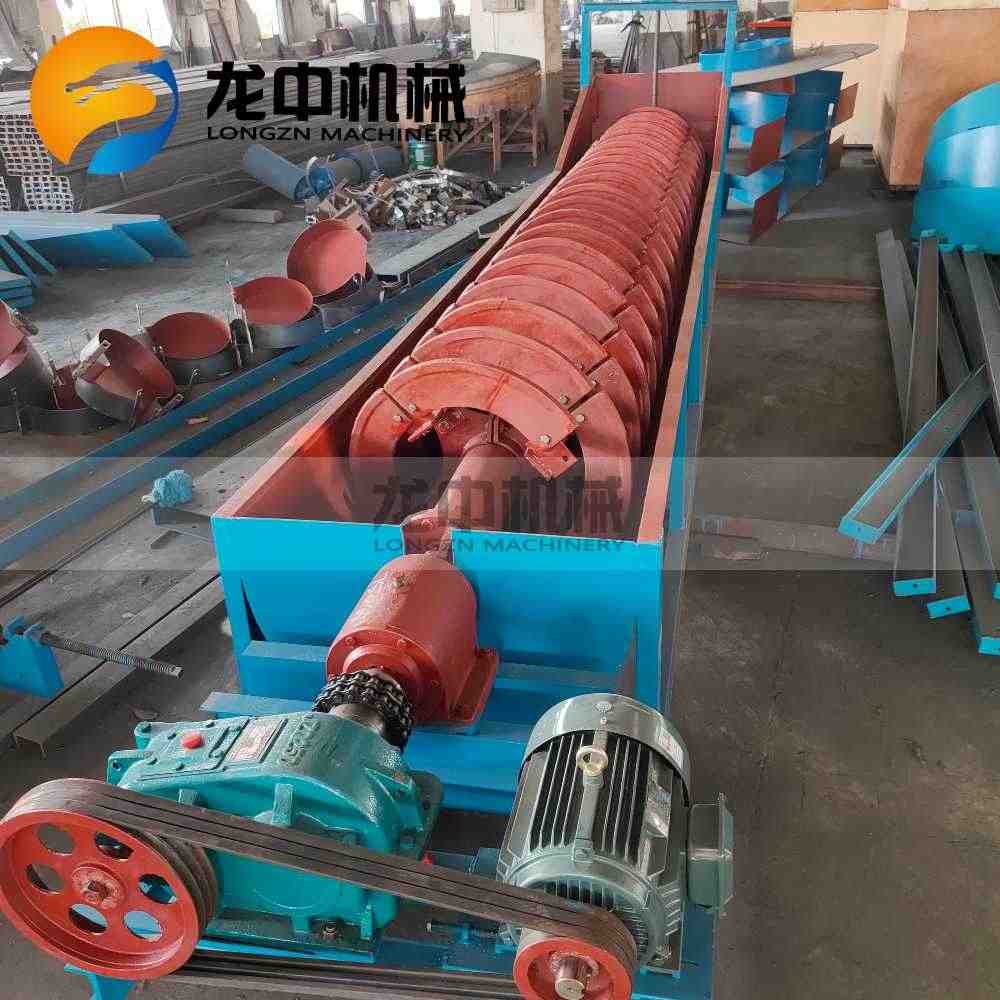
Coarse Particle Desliming: Spiral classifiers (suitable for large throughput).
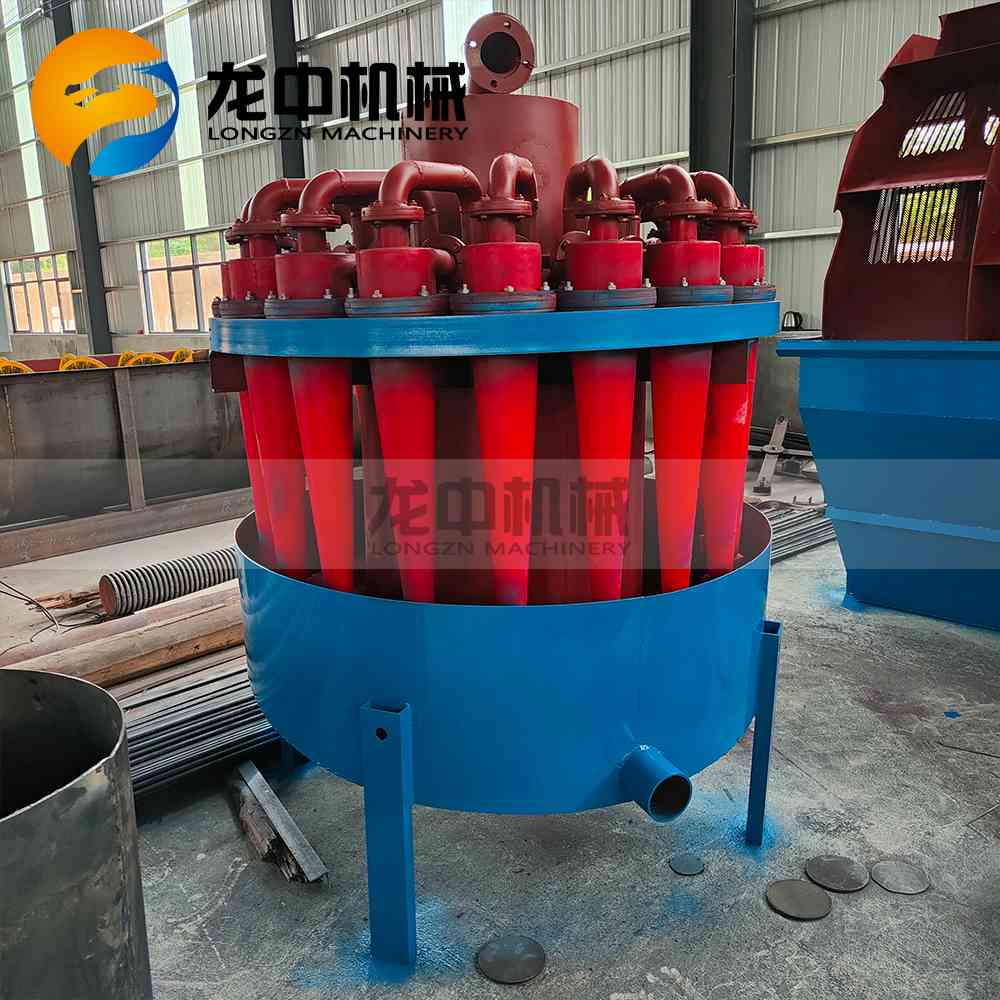
Fine Particle Desliming: Hydrocyclones (high classification efficiency for -74 μm particles). The target is to reduce the -20 μm fraction to <10% in the slurry.
pH Adjustment: Most separation processes require specific pH conditions (e.g., flotation often needs alkaline pH; cyanidation requires pH 10–11). Lime or sulfuric acid is used for adjustment.
Harmful Impurity Removal: Excessive sulfides (e.g., pyrite) can be pre-oxidized (via aeration or hydrogen peroxide oxidation) to reduce interference. If arsenic is present, alkaline leaching (e.g., with NaOH) may be applied for partial arsenic removal.
Based on tailings characteristics, single or combined processes are selected to recover gold and associated elements. Common technical routes include:
1. Gravity Separation: Recovery of Coarse Free Gold
Principle: Utilizes density differences between gold (19.3 g/cm³) and gangue (2.6–2.8 g/cm³) for separation in a gravity field.
Application: Suitable for tailings containing coarse free gold (>50 μm) or gold liberated after pretreatment.
Equipment & Flow:
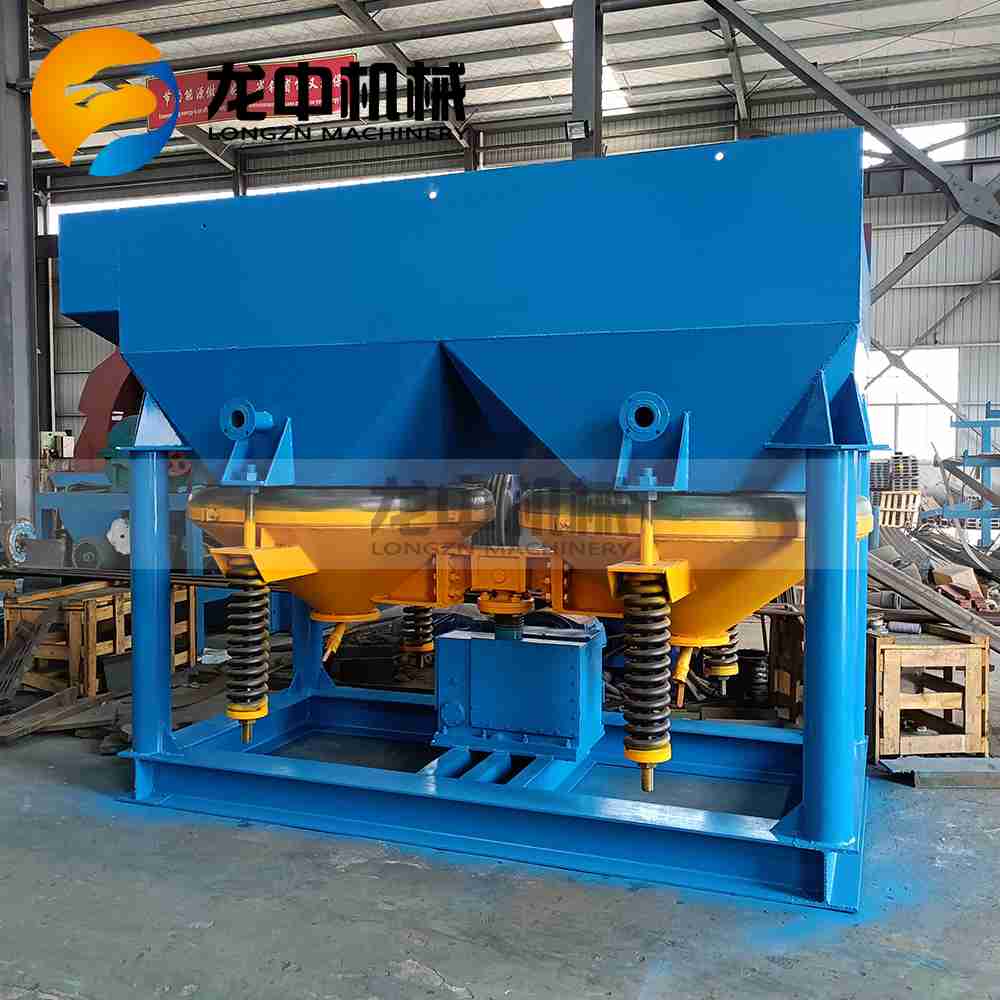
Roughing: Jigs (large capacity, for >0.5 mm particles) or centrifugal concentrators (e.g., Knelson concentrator for fine gold).
Cleaning: Shaking tables (to upgrade concentrate grade, suitable for -0.5 mm particles).
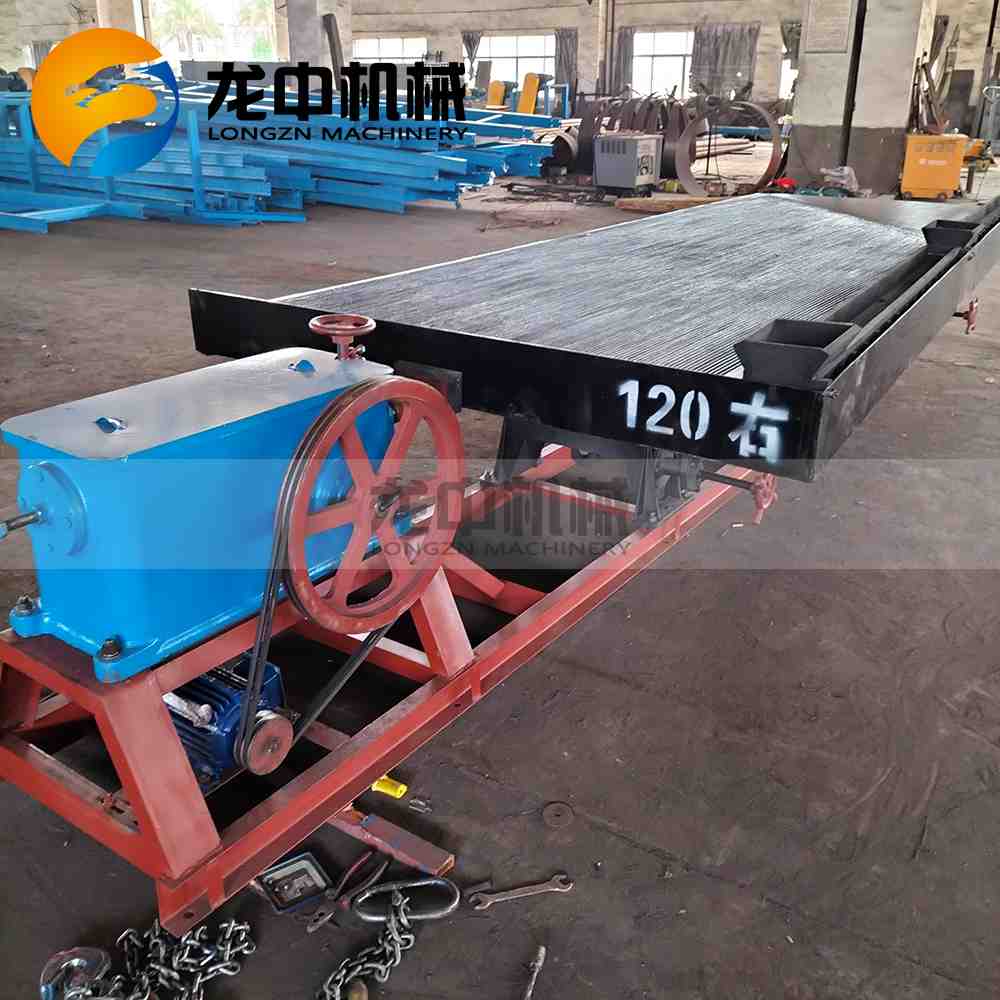
Advantages: Low cost, environmentally friendly.
Disadvantages: Low recovery for fine gold (<20 μm).
2. Flotation: Recovery of Fine Gold and Gold in Associated Sulfides
Principle: Collectors (e.g., xanthates, dithiophosphates) render gold minerals (or gold-bearing pyrite) hydrophobic, causing them to attach to air bubbles and form a concentrate.
Application: Suitable for fine gold (<50 μm) and gold associated with sulfide minerals (pyrite, chalcopyrite).
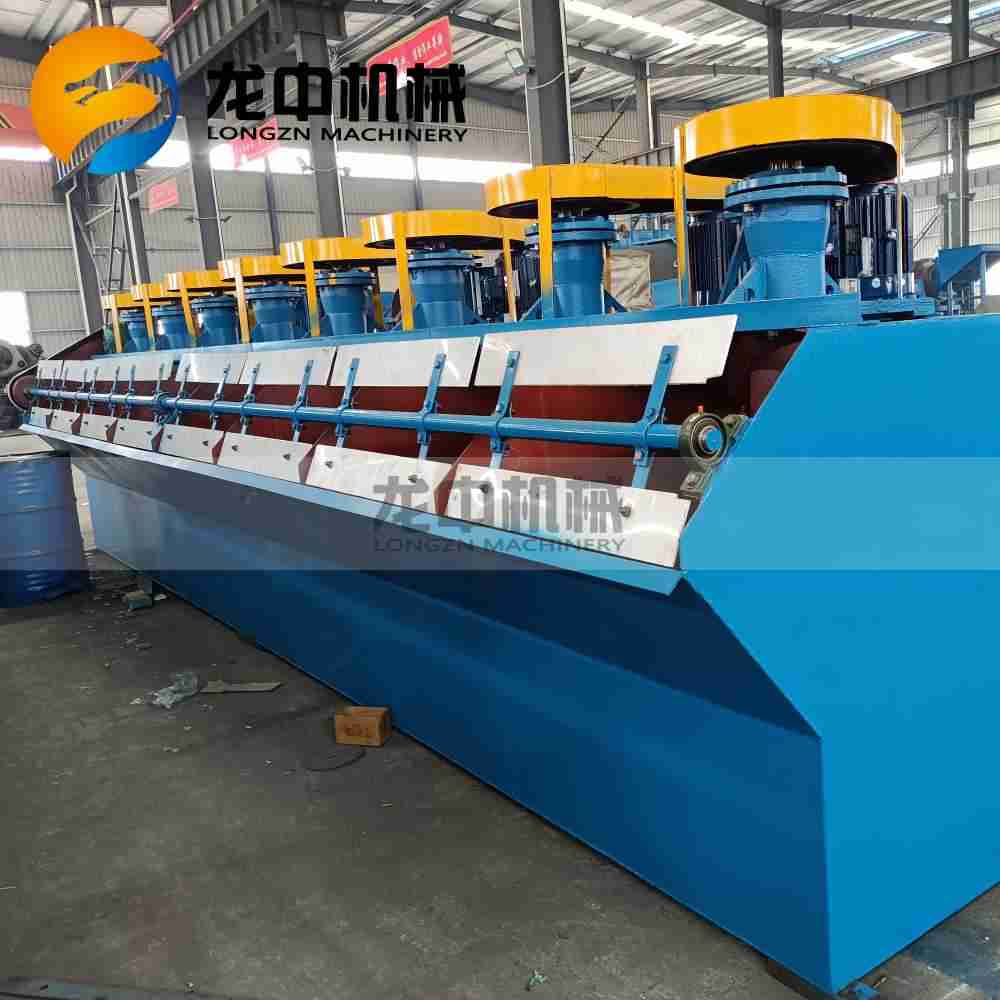
Equipment: Mechanical agitation flotation cells, aerated flotation cells.
Advantages: Enables simultaneous recovery of sulfides and associated gold; suitable for multi-element recovery.
Disadvantages: High reagent costs; ineffective for oxide ores.
3. Cyanidation: High-Efficiency Recovery of Liberated Gold
Principle: Under alkaline conditions (pH 10–11), cyanide (NaCN/KCN) reacts with gold to form soluble gold-cyanide complexes [Au(CN)₂⁻], which are then recovered by adsorption or replacement.
Application: Free gold or liberated fine gold (mainly -200 mesh); one of the most efficient gold recovery methods.
Key Steps:
Zinc dust replacement: Zn powder is added to precipitate metallic gold [2Au(CN)₂⁻ + Zn → 2Au↓ + Zn(CN)₄²⁻].
Activated carbon adsorption (CIP/CIL): Gold-cyanide complexes are adsorbed onto activated carbon, later desorbed and electrolyzed to produce gold mud.
Cyanide leaching: Cyanide solution (0.02%–0.1%) is added to the tailings slurry with agitation for 12–24 h to dissolve gold.
Gold recovery:
Equipment: Leaching tanks (mechanically agitated), filters.
Advantages: High gold recovery (≥90%).
Disadvantages: Cyanide is highly toxic, requiring strict environmental management (e.g., cyanide destruction using oxidants like bleaching powder).
4. Bioleaching: Green Process for Low-Grade/Refractory Tailings
Principle: Microorganisms (e.g., Acidithiobacillus ferrooxidans, Acidithiobacillus thiooxidans) decompose sulfide minerals (e.g., pyrite, arsenopyrite) that encapsulate gold, exposing it for subsequent leaching (e.g., cyanidation or thiourea leaching).
Application: Refractory tailings with sulfide-encapsulated gold (e.g., >50% gold locked in pyrite) or low-grade tailings (Au <0.5 g/t).
Process: Tailings are slurried and inoculated with bacterial culture under aerobic conditions (temperature 25–35°C, pH 2–3). Microbial oxidation of sulfides generates sulfuric acid and ferric ions, dissolving the encapsulating layers. Subsequent gold leaching uses low-concentration cyanide or thiourea solution.
Advantages: Environmentally friendly (no toxic chemicals), low operating cost.
Disadvantages: Long cycle time (leaching may take 30–60 days), sensitive to temperature and pH.
This systematic approach ensures efficient recovery of gold and associated valuable elements from tailings while addressing environmental concerns through integrated treatment steps.