
E-mail:
sale08@lzxkjx.comCall Us:
+86 15390744145
Bauxite is an aluminum-bearing ore with alumina as its main component. Its mineral composition is complex, often containing associated minerals such as kaolinite, montmorillonite, and hematite. Bauxite ore has a relatively high density and moderate hardness. However, due to the presence of many impurities, complex beneficiation processes are required to remove these impurities and extract high-purity aluminum oxides. The main beneficiation methods for bauxite include washing for desliming and desilication, hand sorting, flotation, gravity separation, and magnetic separation.
I. Bauxite Beneficiation Method - Hand Sorting
Hand sorting is a simple and traditional beneficiation method where workers manually separate valuable minerals from waste rock. This method has low equipment requirements and is simple to operate, but its efficiency is low, making it suitable for small-scale mining operations. Hand sorting is primarily used in the initial mining stage or in areas where the ore quality is high and distribution is uniform. This method is relatively less common in modern industrial applications, but it can still offer economic benefits in regions with abundant resources and low labor costs.
II. Bauxite Beneficiation Method - Gravity Separation
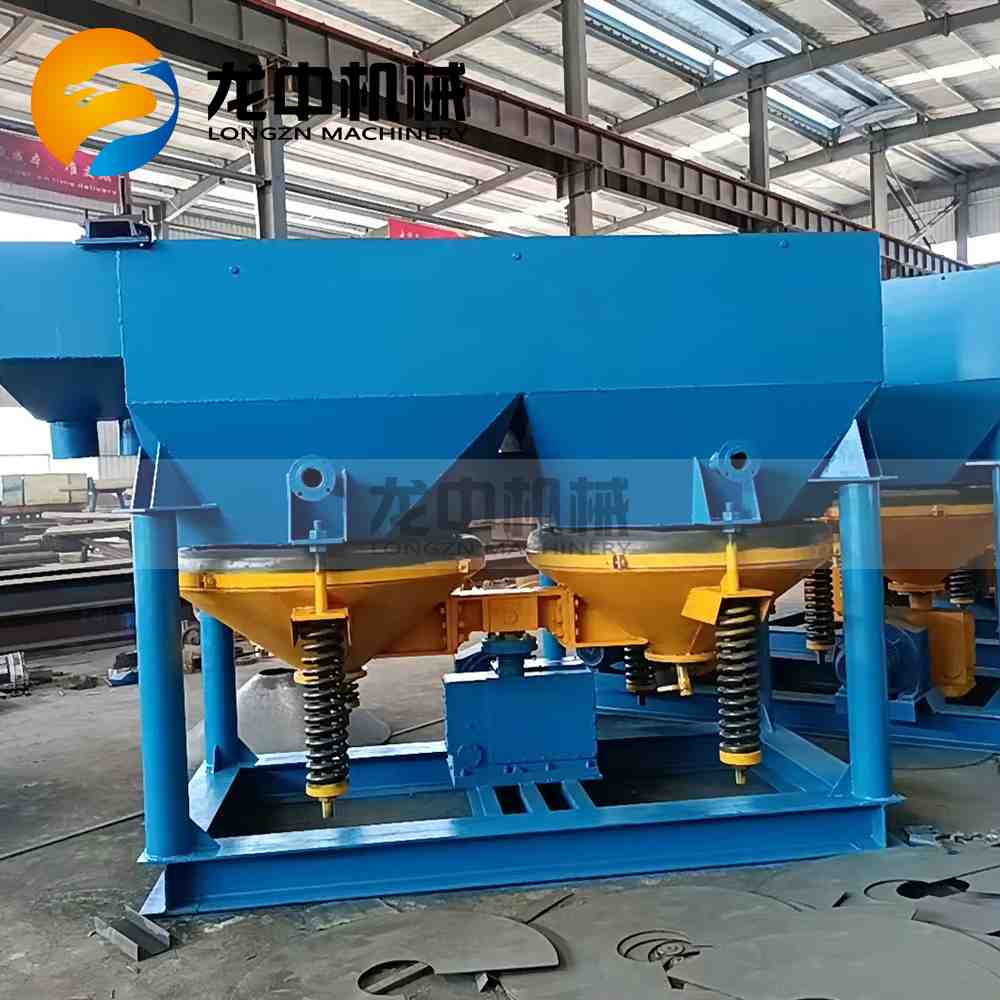
Gravity separation for bauxite utilizes the different settling rates of mineral particles in a gravitational field to separate valuable components from impurities. Common equipment includes jigs, spiral chutes, and shaking tables. These devices use water flow or mechanical vibration to stratify mineral particles of different densities, thereby obtaining a concentrate. Gravity separation is simple to operate, requires no chemical reagents, and has minimal environmental impact. However, its separation efficiency is poor for fine-grained ores, necessitating combination with other methods for further processing. Additionally, gravity separation equipment requires high maintenance, needing frequent inspection and service.
III. Bauxite Beneficiation Method - Magnetic Separation
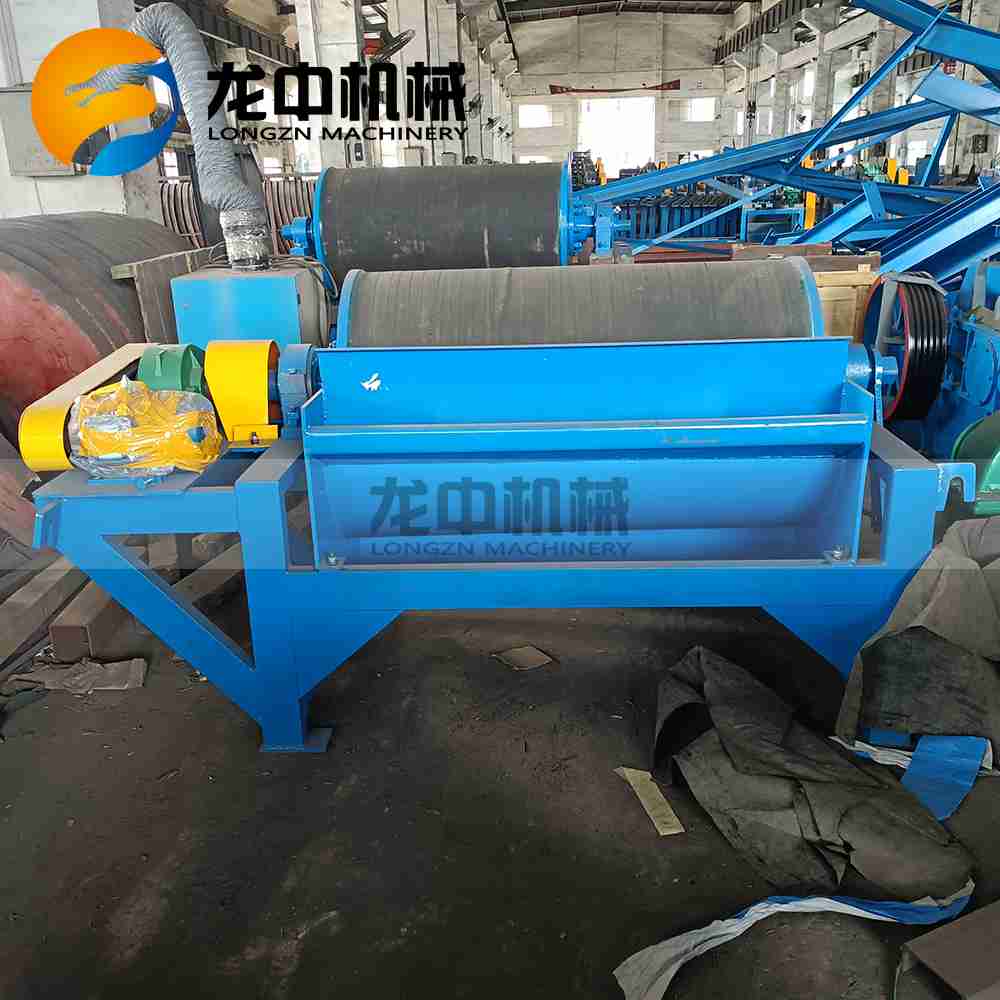
Magnetic separation for bauxite exploits the differences in mineral responses to a magnetic field. A magnetic field generated by magnetic separation equipment separates strongly magnetic minerals from non-magnetic or weakly magnetic impurities. This method is particularly effective for treating bauxite containing significant iron impurities. In bauxite processing, magnetic separation is often used to remove iron impurities and improve bauxite quality. Employing magnetic separation can significantly reduce the iron content in the product, thereby enhancing smelting efficiency and product quality. Furthermore, magnetic separation can also be used to remove harmful elements like titanium and zirconium, providing high-purity raw material for subsequent processing.
IV. Bauxite Beneficiation Method - Flotation
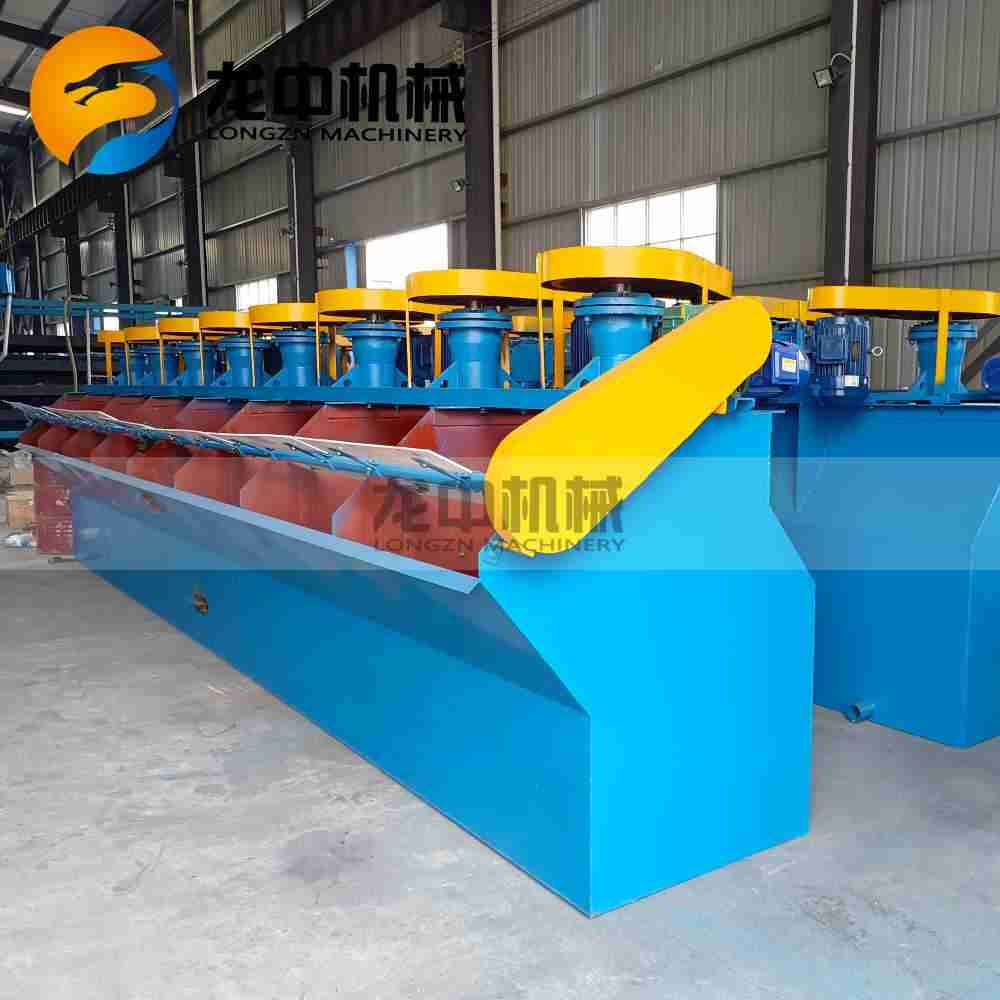
Flotation for bauxite is based on the differences in surface hydrophilicity and hydrophobicity of various minerals. By adding flotation reagents, valuable minerals are attached to air bubbles and float, achieving separation of valuable components from gangue. Flotation equipment includes flotation cells and flotation columns, which use agitation and aeration to ensure thorough contact between bubbles and mineral particles, enabling efficient separation. Common reagents used in the flotation process include collectors, frothers, and modifiers. Collectors enhance the hydrophobicity of target mineral surfaces, facilitating bubble attachment; frothers increase foam stability, improving flotation efficiency; modifiers create optimal conditions for flotation by adjusting the pulp pH and inhibiting or activating specific mineral surfaces. These reagents work together to ensure the efficient operation of the flotation process.
V. Bauxite Beneficiation Method - Washing, Desliming, and Desilication
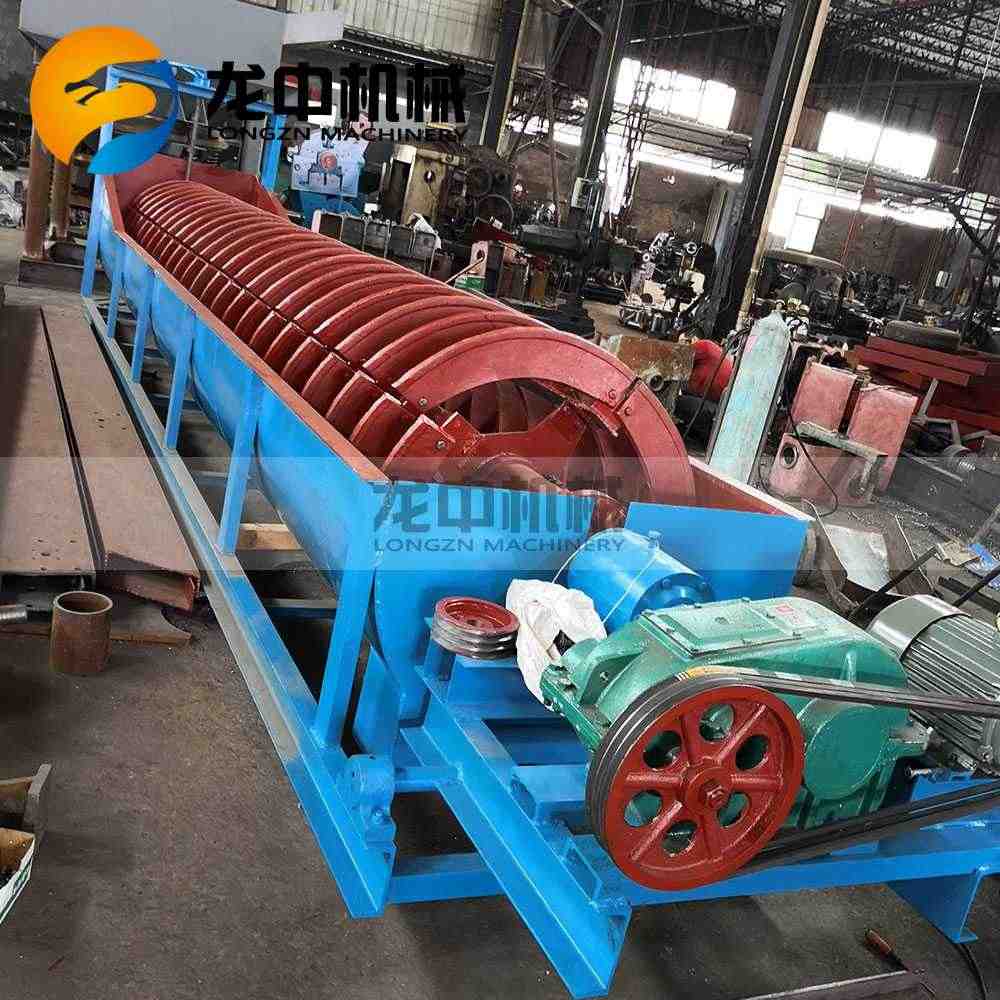
Bauxite washing, desliming, and desilication encompass processes like desliming, desilication, and partial iron removal. Common equipment includes log washers, spiral classifiers, and magnetic separators. Through a series of operations using this equipment, impurity-rich particles are effectively removed, upgrading the bauxite concentrate grade. Simultaneously, this stage emphasizes environmental protection measures, such as recycling wash water and properly disposing of tailings to reduce environmental pollution and achieve green production.
VI. Bauxite Beneficiation Method - Chemical Beneficiation
Chemical beneficiation for bauxite includes methods like roasting for desilication. High-temperature roasting decomposes silica-containing minerals in bauxite into silica, which is then separated through chemical methods. This method is suitable for processing high-silica bauxite, effectively reducing the silicon content and improving aluminum extraction efficiency.
Functions of Different Bauxite Beneficiation Methods:
Washing is a relatively effective method for improving the aluminum-to-silicon ratio of bauxite. Typically, washing can increase the ore's aluminum-to-silicon ratio by about two times and is more effective for friable ores. Flotation can be used to separate diaspore from kaolinite. Magnetic separation is used to separate iron-bearing minerals. Chemical beneficiation primarily involves roasting for desilication. Generally, the bauxite beneficiation process flow is tailored according to the specific properties of the ore, employing different technological processes.