
E-mail:
sale08@lzxkjx.comCall Us:
+86 15390744145
The gold grass mat sluice, also known as a gold recovery mat or carpet sluice, is primarily employed in the gravity concentration stage of mineral processing. It serves as a simple yet effective device for capturing fine, heavy mineral particles. This equipment is specifically designed to process placer deposits and alluvial materials, targeting minerals with high specific gravity. Its most common application is for the recovery of native gold, platinum, tin, and other heavy minerals like tungsten, particularly when they exist in liberated, fine-to-medium particle sizes.
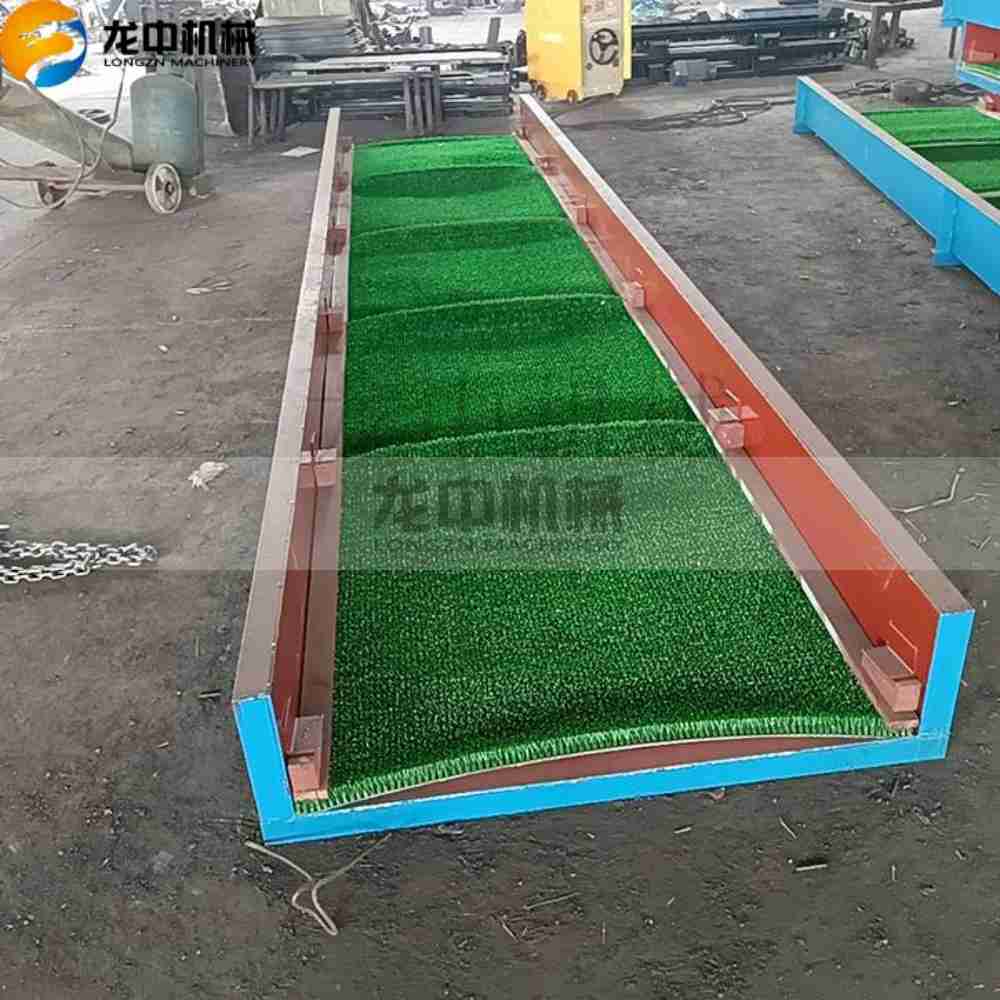
It is frequently integrated into mobile alluvial washing plants, small-scale mining operations, and artisanal mining setups. Furthermore, it is commonly used as a secondary or scavenging concentrator in fixed hard rock gold processing plants, placed after primary crushing and grinding circuits or following other gravity devices like centrifugal concentrators to maximize recovery.
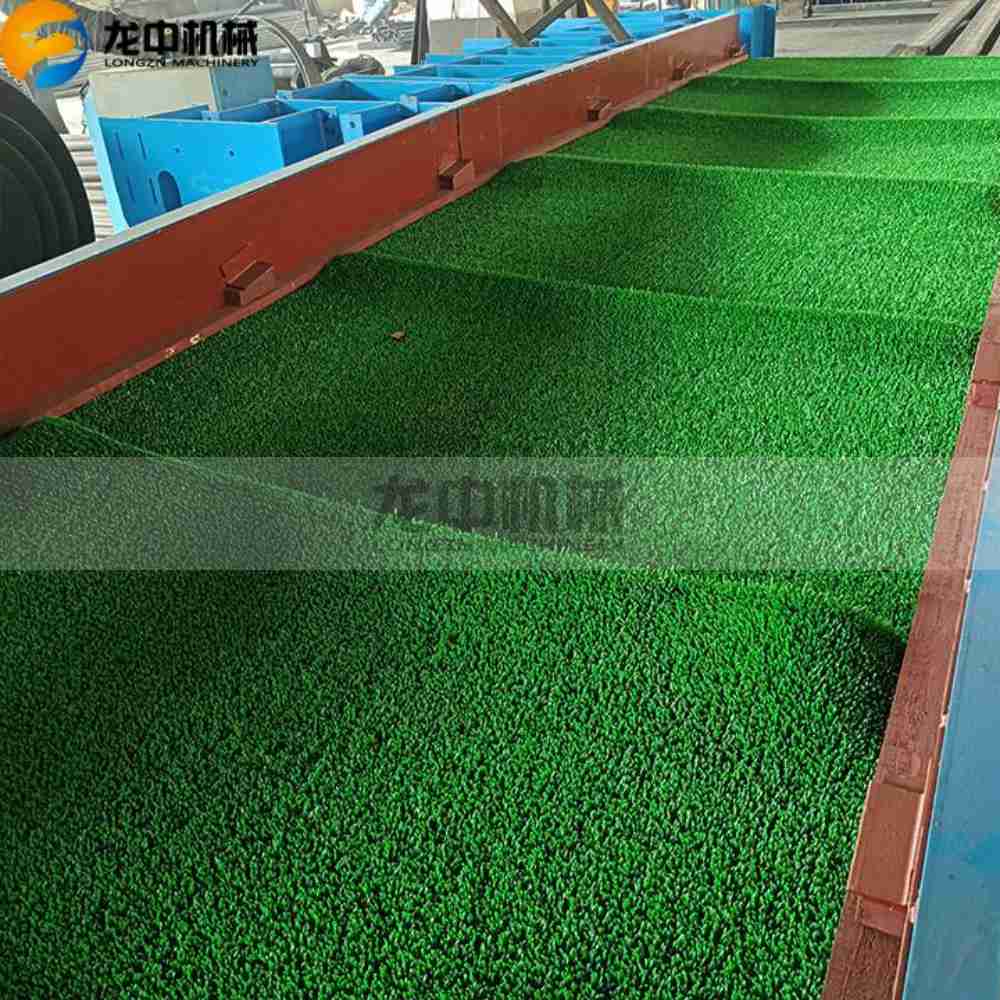
The working principle relies on laminar flow and hindered settling. As the slurry containing ground ore flows down the inclined sluice over the special matting, turbulence is minimized. The heavy mineral particles settle through the flowing stream and become trapped within the fibrous or riffled texture of the mat due to their weight, while lighter gangue materials are washed away by the water flow.
Its key advantages and characteristics include:
High Recovery Rate for Fine Gold: Exceptionally effective for ultra-fine gold particles that other gravity methods might lose.
Simplicity and Low Cost: No moving parts, minimal maintenance, and low operational expense.
Ease of Operation and Cleaning: The mat can be easily removed and rinsed to collect the concentrate.
Low Energy Consumption: Requires only water flow, often supplied by gravity.
Environmentally Friendly: Typically uses no chemicals.
Regarding its structural composition, a typical gold grass mat sluice consists of:
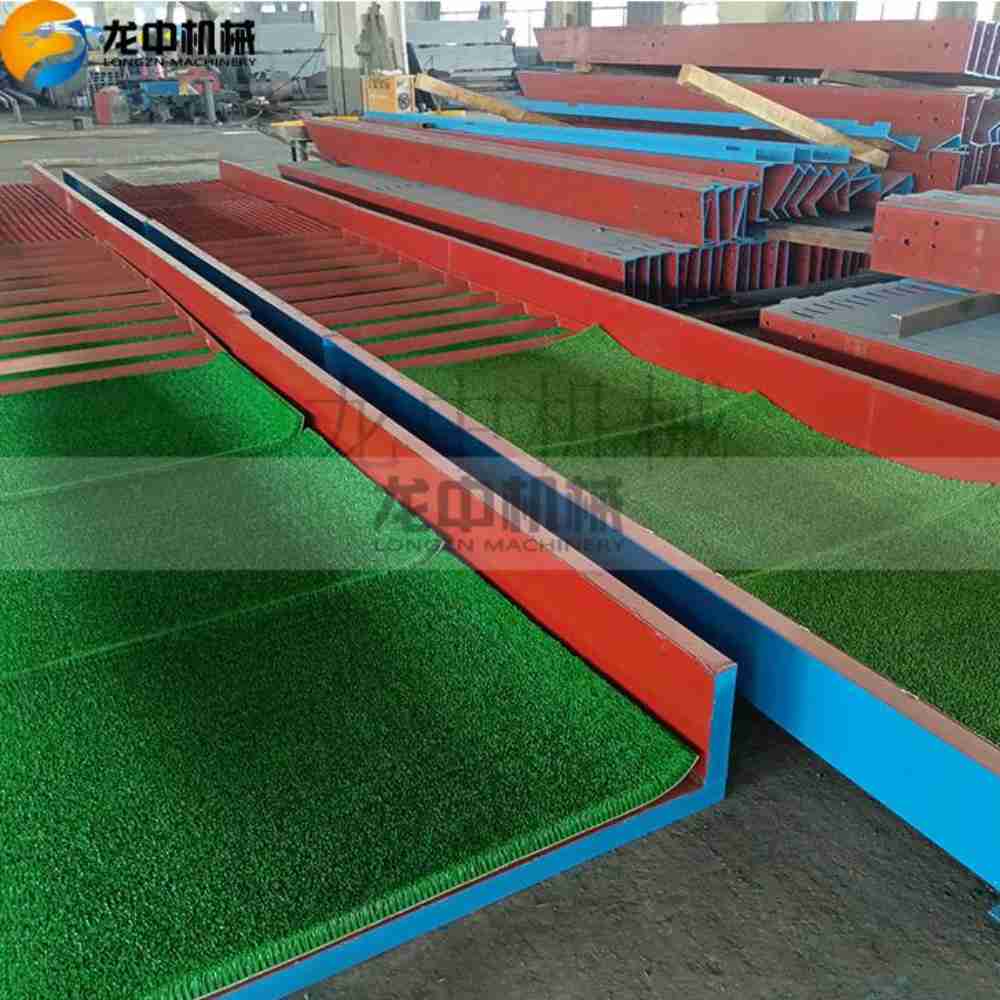
Sluice Box Frame: A long, narrow, inclined channel, usually made of metal, aluminum, or durable plastic.
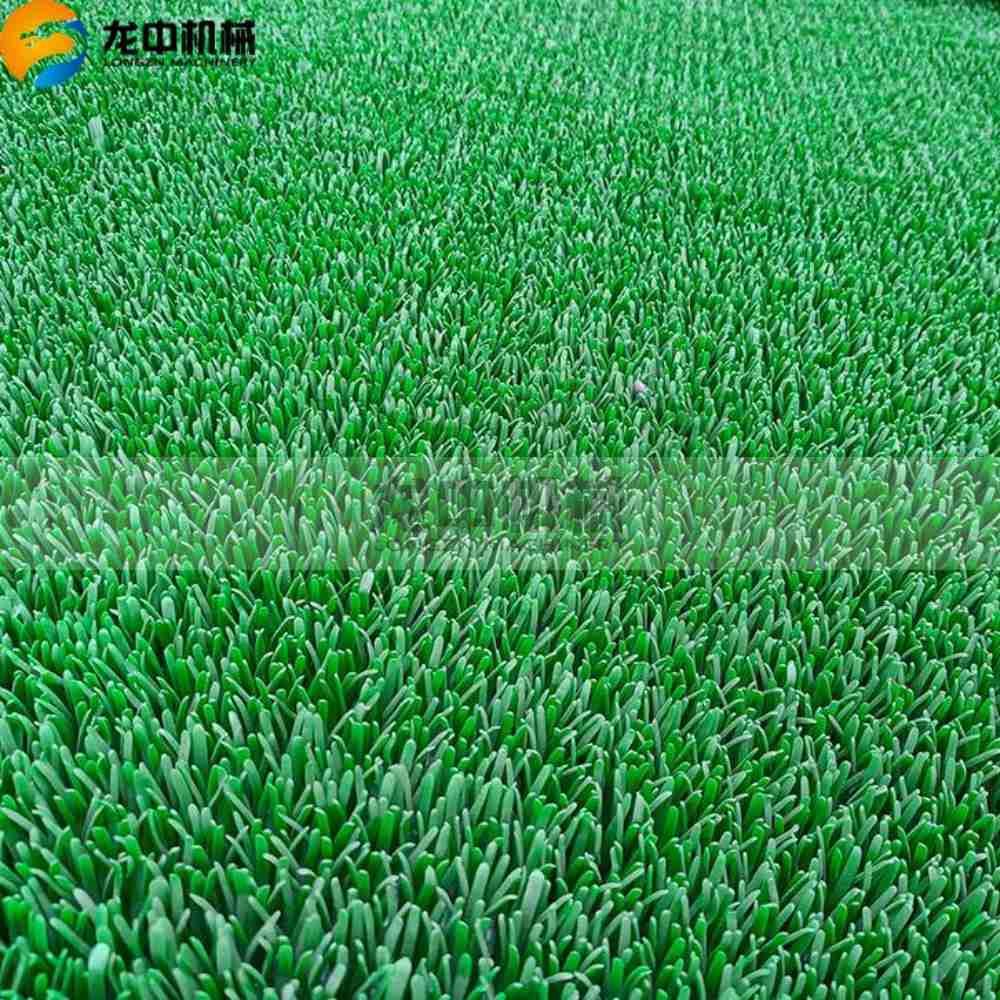
Gold Recovery Matting: The core component. This is a specially textured, high-friction mat (often made from rubber, vinyl, or synthetic grass-like material) that lines the bottom of the sluice to trap heavy minerals.
Riffles (Optional): Some designs include small riffles or barriers upstream of the mat to create turbulence and help in initial particle settlement.
Feed Hopper/Distributor: Ensures an even and controlled distribution of the slurry across the width of the sluice.
Support Structure: Adjustable legs or a frame to set the correct slope or gradient for optimal performance.