E-mail:
sale08@lzxkjx.comCall Us:
+86 15390744145
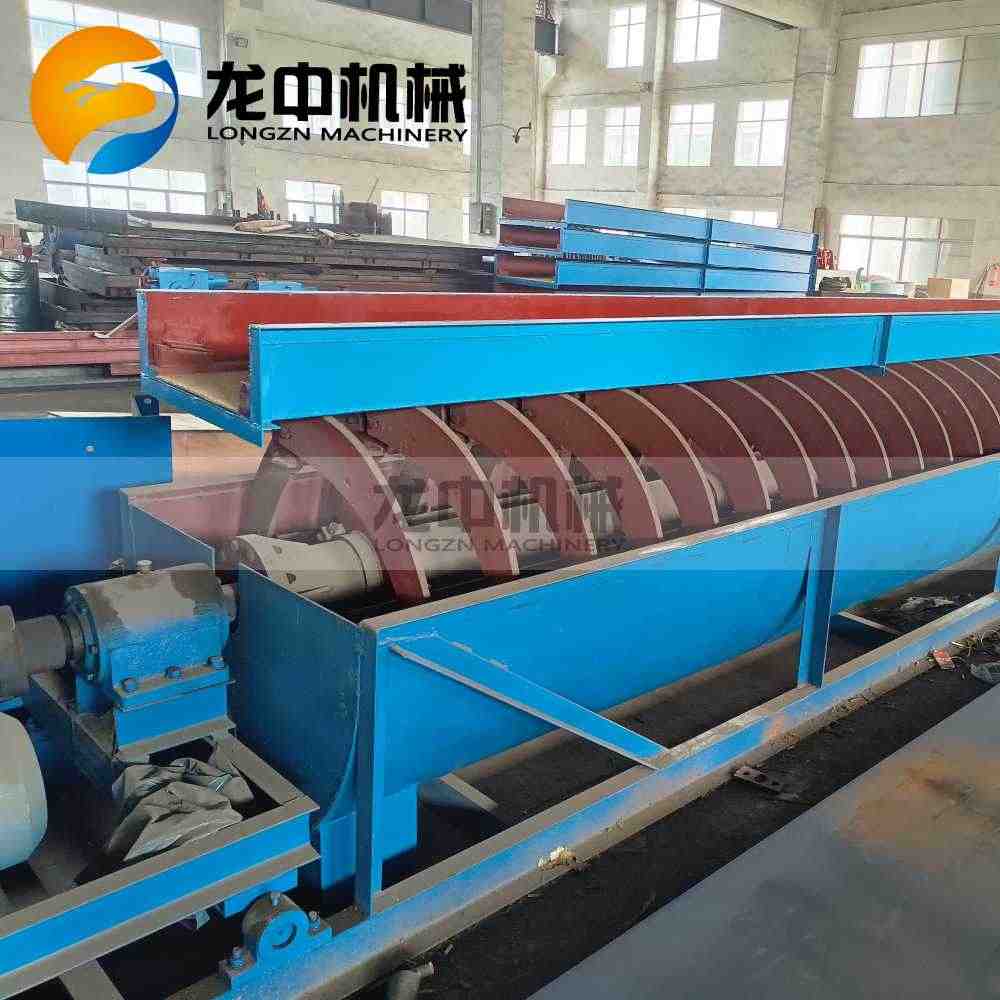
The spiral classifier is a fundamental equipment widely employed in the mineral processing industry, primarily serving in the closed-circuit grinding stage for particle size classification and mechanical dewatering. It is highly versatile and capable of handling a broad range of minerals, including but not limited to iron ore, tin, tungsten, tantalum, niobium, gold ore, coal, and various non-metallic ores. Its robust design makes it suitable for materials with fine particle sizes.
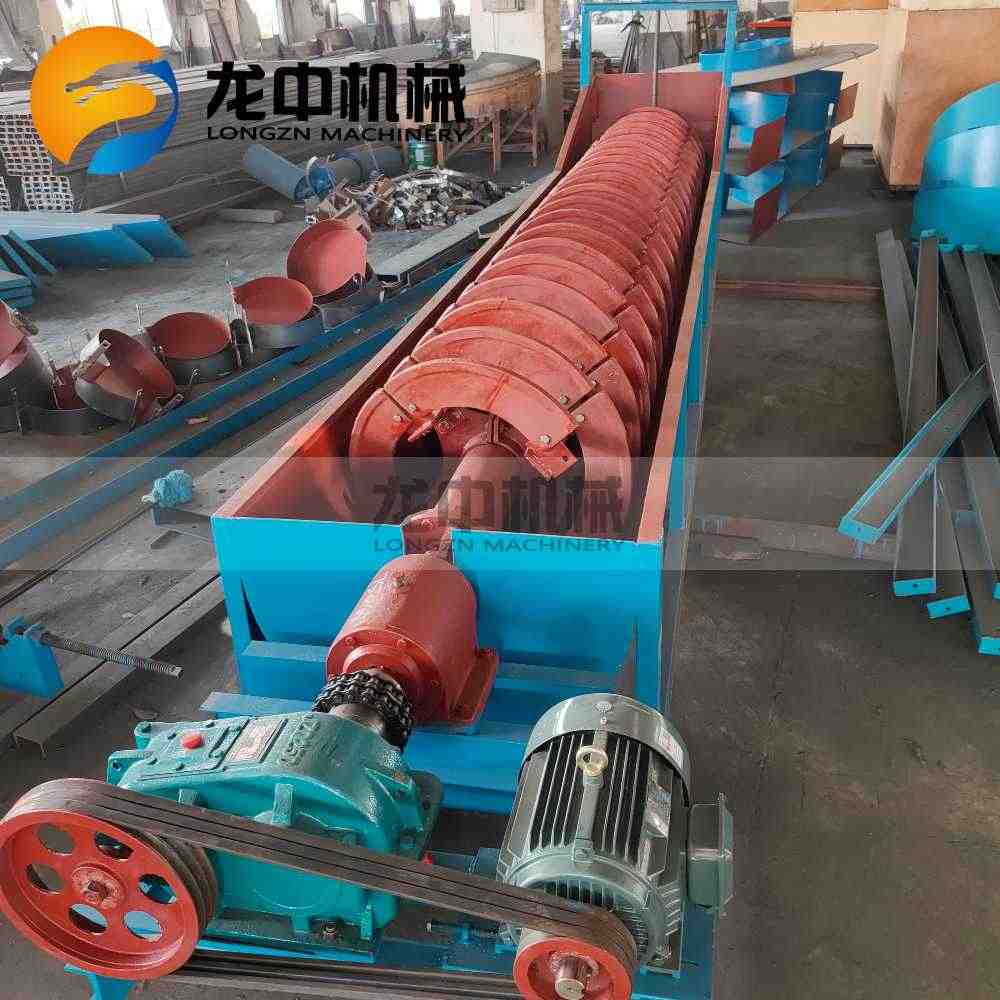
This machine is a staple in numerous mineral processing flowsheets. It is most commonly integrated into grinding-classification circuits within beneficiation plants for iron ore, gold, and industrial minerals. Here, it works in conjunction with ball mills or rod mills to form a closed loop, ensuring that only sufficiently ground ore particles proceed to the next separation stage, thereby optimizing grinding efficiency and product quality.
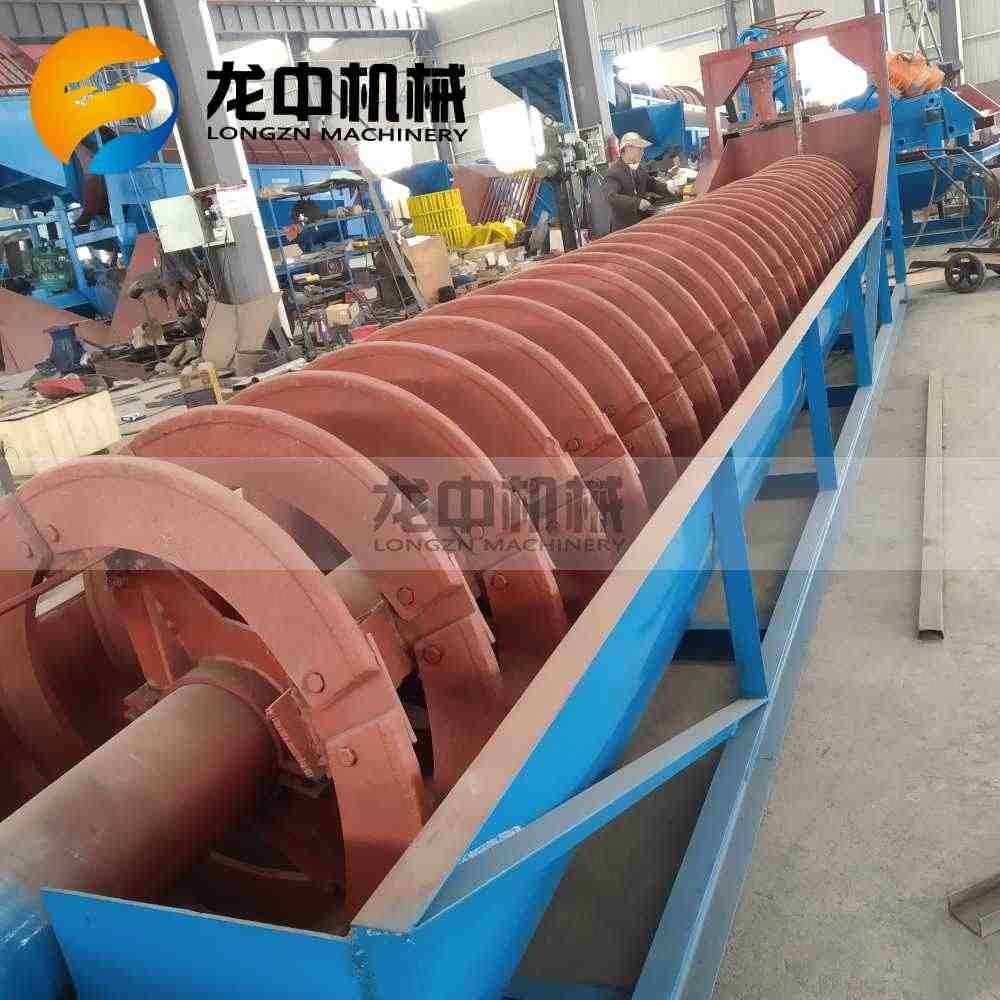
The working principle is based on gravity sedimentation and mechanical conveyance. The slurry is fed into a inclined tank. Coarse, heavy particles settle at the bottom and are lifted upwards by rotating spiral blades for discharge as sand return. Finer particles remain suspended and overflow from the top weir as overflow product. Its key advantages and features include a simple and reliable structure, stable operation, easy maintenance, high classification efficiency, and the ability to provide both classification and dewatering functions simultaneously. It offers a clear separation point and is cost-effective to install and operate.