
E-mail:
sale08@lzxkjx.comCall Us:
+86 15390744145
Quartz sand, also known as silica sand, is a common non-metallic mineral raw material. After beneficiation and purification, it can be processed into high-purity quartz sand, which is widely used in industries such as glass, ceramics, metallurgy, foundry, and refractories. So, what are the common beneficiation and purification methods for quartz sand currently?
1. Washing and Classification Desliming of Quartz Sand
The grade of SiO2 in quartz decreases as the quartz particles become finer, while the grade of impurity minerals such as
iron and aluminum actually increases. This phenomenon is particularly evident in quartz containing large amounts of
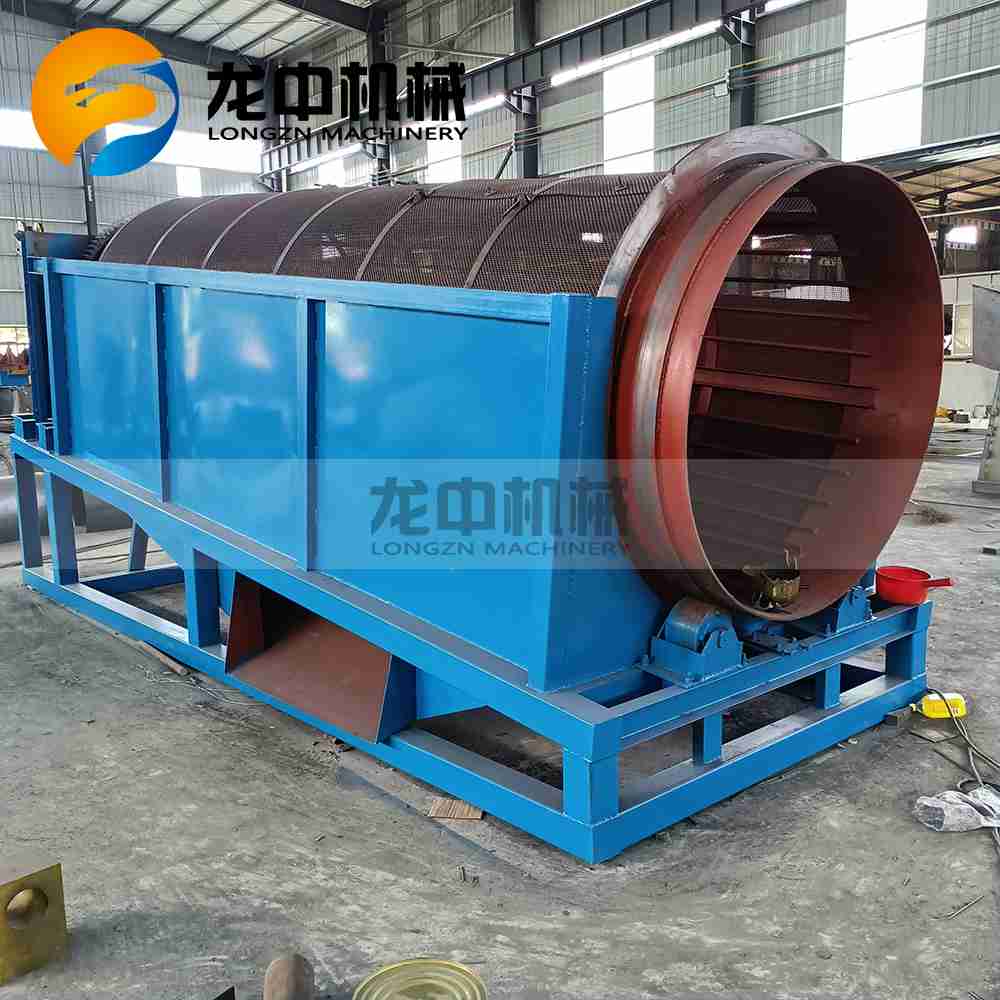
clay-like minerals. Therefore, it is very necessary and quite effective to perform hydraulic classification and desliming on
the raw quartz ore before processing using equipment like rotary scrubbers, trommel screens, hydrocyclones, desliming
hoppers, and hydraulic classifiers.
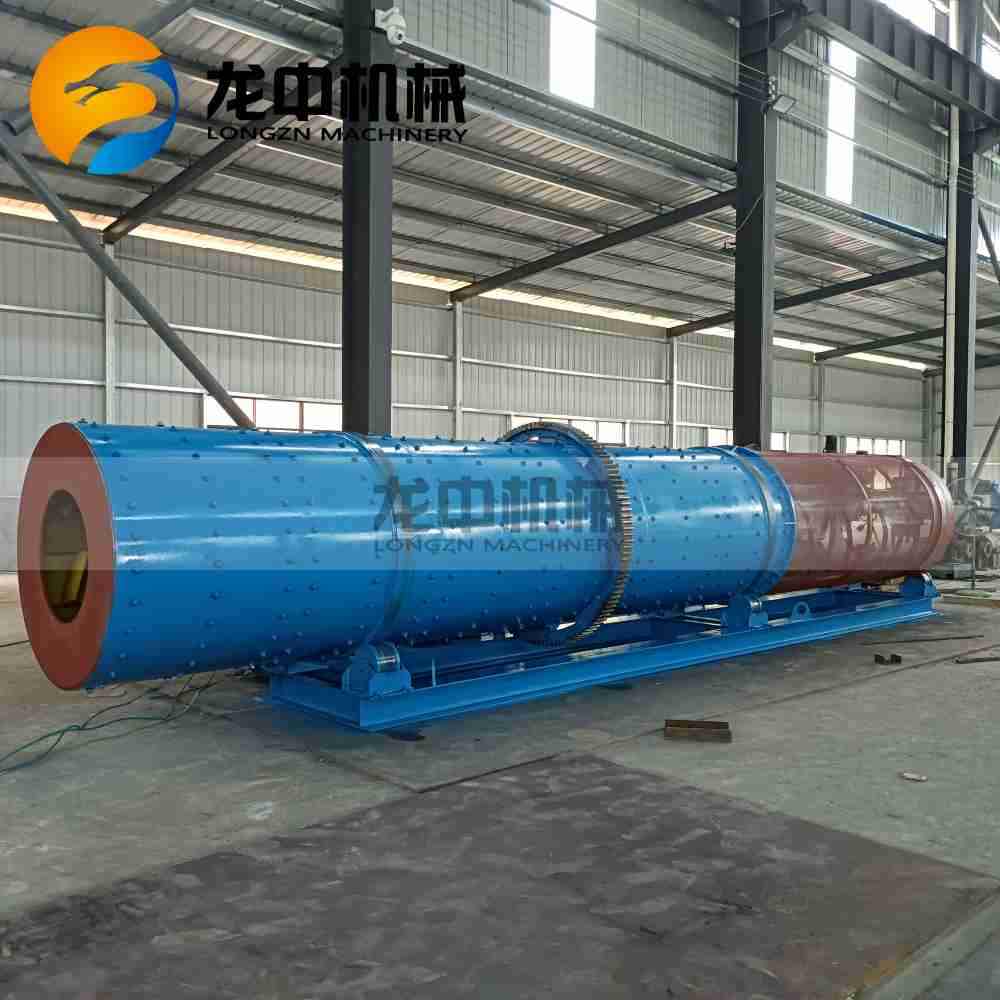
As a pre-treatment method before ore processing, washing and classification desliming is applied early and commonly.
However, its effectiveness in removing film iron on the quartz surface and adhesive impurity minerals is not yet significant.
2. Scrubbing Method for Quartz Sand
The scrubbing method primarily relies on mechanical force and the abrasive force between sand grains to remove film iron,
adhesive, and argillaceous impurity minerals from the quartz sand surface. It also further breaks down unliberated mineral
aggregates, achieving further purification of quartz sand through subsequent classification operations.
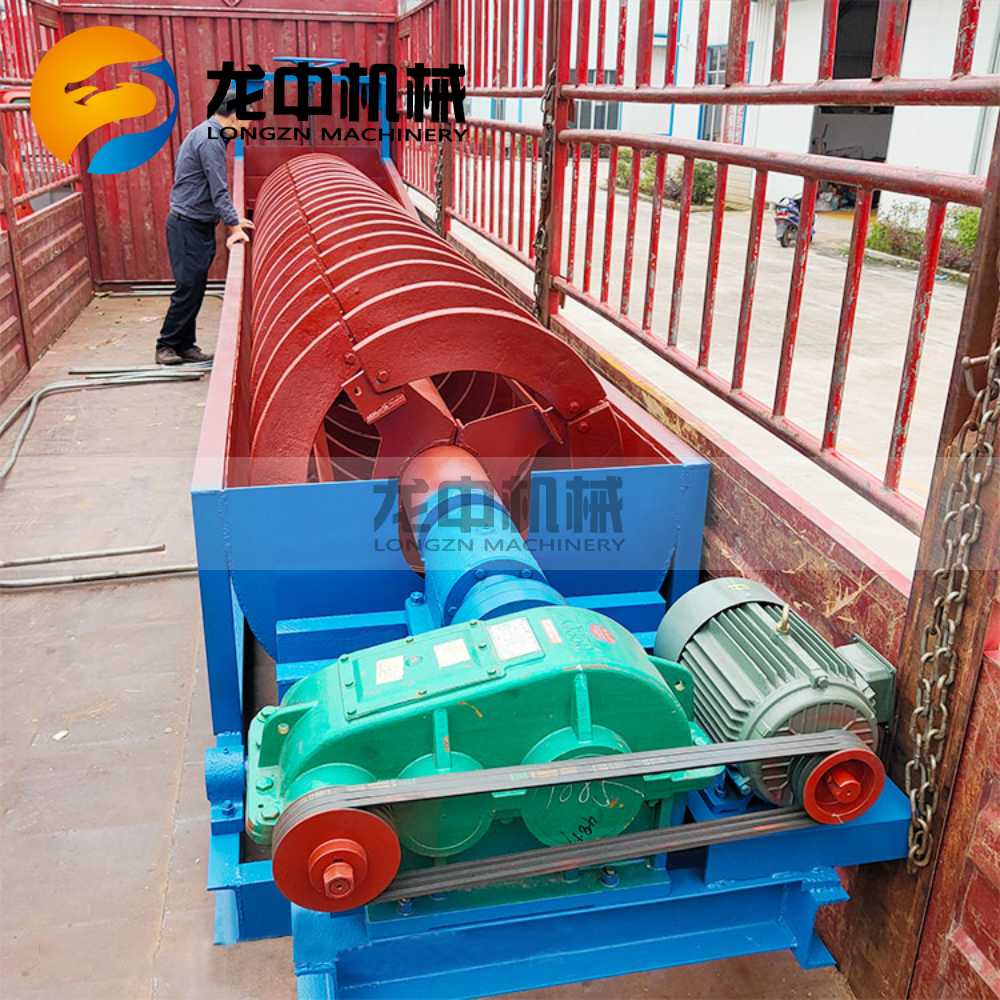
Currently, there are two main methods for quartz sand scrubbing: rod milling scrubbing and mechanical scrubbing.
For mechanical scrubbing, the factors affecting the scrubbing efficiency stem mainly from the structural characteristics and
configuration of the scrubbing machine, followed by process factors including scrubbing time and scrubbing density.
Research indicates that a scrubbing pulp density between 50% and 60% yields good results for quartz sand, but it also
increases the difficulty of quartz beneficiation and purification to some extent. The scrubbing time should, in principle,
be based on initially meeting the product quality requirements and should not be too long. Excessive time increases
equipment wear, energy consumption, and overall beneficiation costs. For some quartz ores, where mechanical scrubbing
is less effective, rod milling scrubbing can be used. If necessary, reagents can be added to increase the electrical repulsion
between impurity minerals and quartz particle surfaces, enhancing their separation.
3. Magnetic Separation Method for Quartz Sand
Magnetic separation can remove weakly magnetic impurity minerals such as hematite, limonite, and biotite, including locked
particles, as much as possible. Strong magnetic separation typically uses wet high-intensity magnetic separators or high-gradient
magnetic separators.
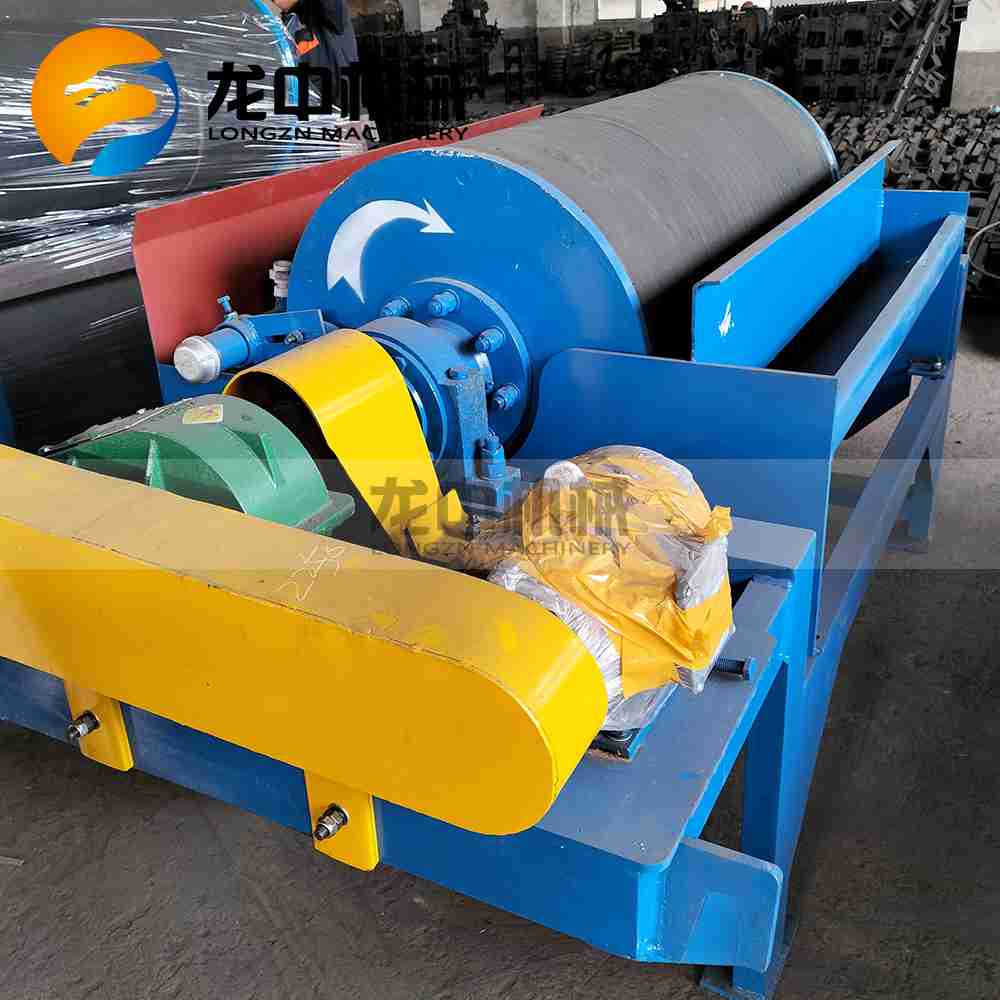
Generally, for quartz where impurities are primarily weakly magnetic minerals like limonite, hematite, and biotite, wet high-intensity
magnetic separators operating above 10,000 Oersted can be used for separation. For quartz containing strongly magnetic minerals
like magnetite, using low-intensity or medium-intensity magnetic separators yields better results.
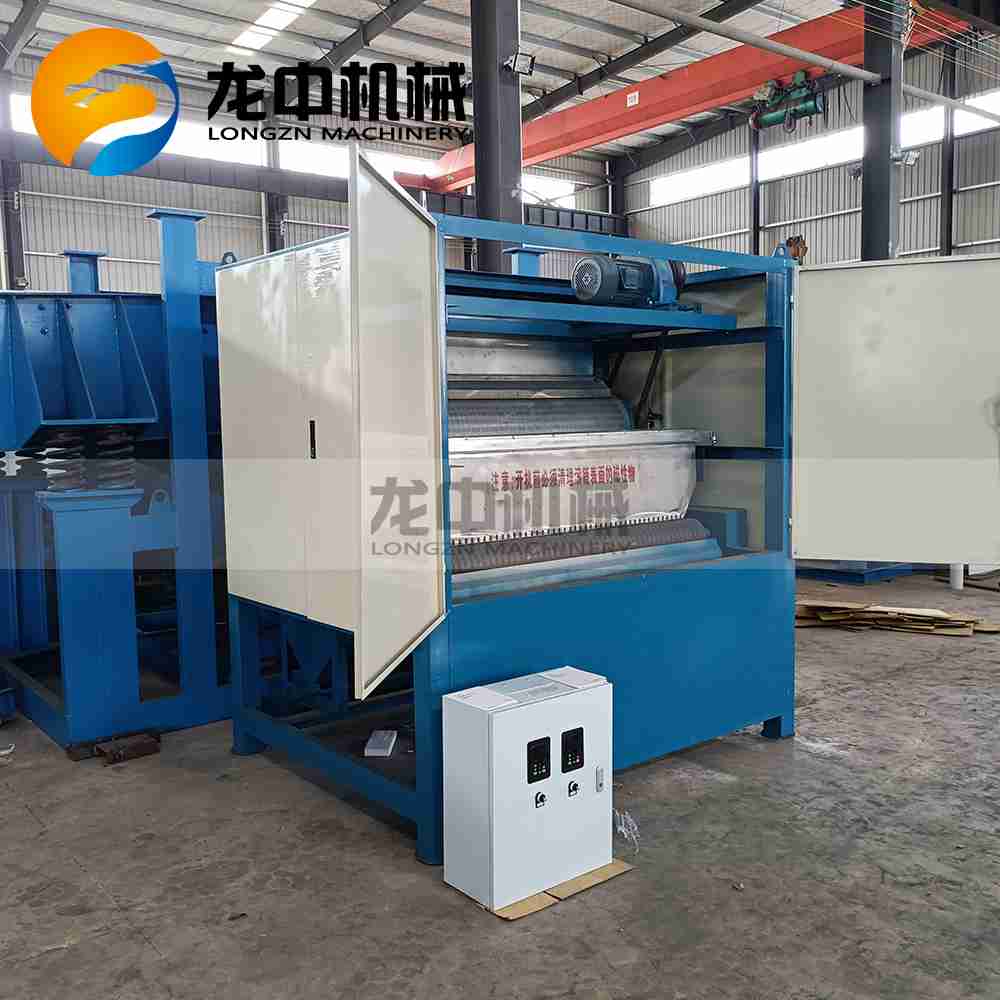
Studies show that the number of magnetic separation stages and the magnetic field intensity significantly impact iron removal efficiency.
The iron content gradually decreases as the number of separation stages increases. A certain magnetic field strength can remove most of
the iron, but even a significant further increase in field strength yields little change in the iron removal rate thereafter.
Furthermore, finer quartz sand particles lead to better iron removal results because the content of iron-bearing impurities is higher in the
fine particles. When the raw quartz sand contains numerous impurity minerals, using only scrubbing, desliming, and magnetic separation
is insufficient to purify the quartz sand into high-purity sand.
4. Flotation Method for Quartz Sand
The flotation method is primarily used to remove non-magnetic associated impurity minerals such as feldspar and mica from quartz sand.
Quartz sand flotation mainly includes fluoride flotation and non-fluoride flotation.
Fluoride flotation uses cationic collectors and hydrofluoric acid as an activator within an acidic pH range. Its disadvantage is that the
fluorine-containing wastewater causes serious environmental pollution and requires treatment before discharge.
Non-fluoride flotation utilizes the differences in the crystal structures of quartz and feldspar. By rationally proportioning the ratio and
dosage of mixed cationic and anionic collectors, and leveraging their different Zeta potentials, feldspar is preferentially floated off to
achieve separation.
Generally, after processes like scrubbing, desliming, magnetic separation, and flotation, the purity of quartz can reach 99.3% to 99.9%,
basically meeting the requirements for industrial sand.
5. Acid Leaching Method for Quartz Sand
Acid leaching utilizes the fact that quartz is insoluble in acid (except HF), while other impurity minerals can be dissolved by acid,
thereby achieving further purification of quartz.
Acids commonly used for leaching include sulfuric acid, hydrochloric acid, nitric acid, and hydrofluoric acid, while reducing agents
include sulfurous acid and its salts. Research has found that the aforementioned acids are effective in removing non-metallic impurity
minerals from quartz. However, for different metal impurities, the type and concentration of acid have a significant influence. It is
generally believed that various dilute acids are effective in removing Fe and Al, whereas removal of Ti and Cr requires leaching with
stronger sulfuric acid, aqua regia, or HF.
Mixed acids composed of the above are typically used to remove impurity minerals through acid leaching. Considering the dissolving
effect of HF on quartz, its concentration generally does not exceed 10%. Besides acid concentration, factors such as acid dosage,
leaching time, temperature, and pulp agitation can all affect the efficiency of quartz acid leaching. The control of various factors
in acid leaching should be based on the required final quartz grade, striving to reduce acid concentration, temperature, and dosage,
and shorten leaching time to achieve quartz purification at a lower beneficiation cost.
The above outlines five common beneficiation and purification methods for quartz sand. The choice of which purification method(s) to
use depends on various factors such as the properties of the quartz ore, plant conditions, and investment budget. It is recommended
to first understand the characteristics of the quartz sand itself when making a selection. Through beneficiation test reports, one can
targeted choose a single or combined process flow to achieve ideal technical and economic benefits.