
E-mail:
sale08@lzxkjx.comCall Us:
+86 15390744145
Alluvial gold primarily refers to gold formed when rock gold in mountains is separated from quartz veins due to river erosion.
Since this type of gold is often as fine as sand, it is called "sand gold." Because gold exists in a free state in alluvial gold deposits
and there is a significant difference in density between gold and sand, gravity separation is an ideal method for extracting gold
from placer deposits.
The principle of alluvial gold beneficiation is to first use gravity separation to recover as much gold and its associated heavy
minerals as possible from the raw ore. The lower limit of gold particle size that can be recovered by gravity separation is generally
0.01mm. In practice, the alluvial gold beneficiation process typically includes crushing and screening, followed by gravity separation.
I. Crushing and Screening of Alluvial Gold Ore
Many alluvial gold deposits contain cemented mud clumps, some with particle sizes larger than 100mm, and sometimes even
cemented to gravel or pebbles. If not disintegrated in time, these mud clumps will be discharged along with waste rock during
the screening process, resulting in gold loss.
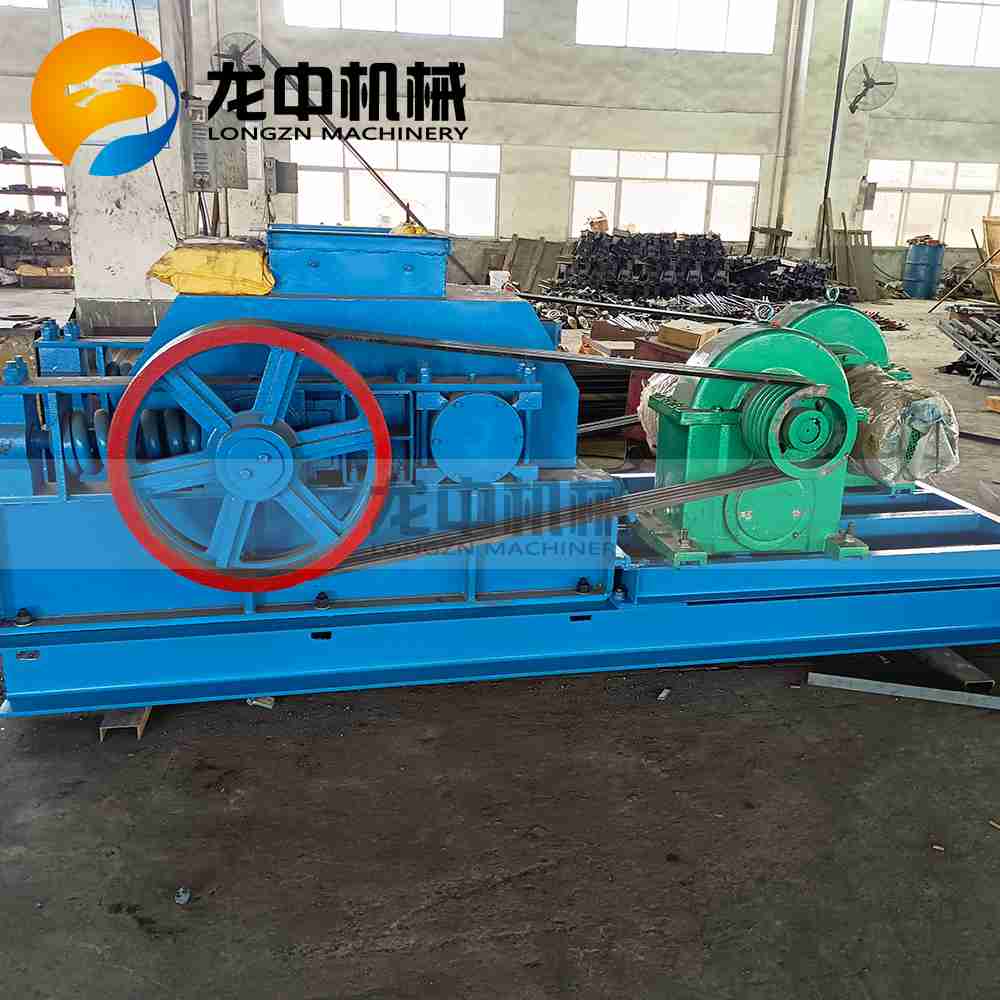
Screening can remove 20–40% of waste rock (gravel and pebbles) and is an essential step in the alluvial gold beneficiation process.
The screening parameters must be determined based on the particle size distribution of gold in the raw sand. Depending on the
washability of the ore, screening can be performed using equipment such as vibrating screens, trommel screens and scrubbing machines.
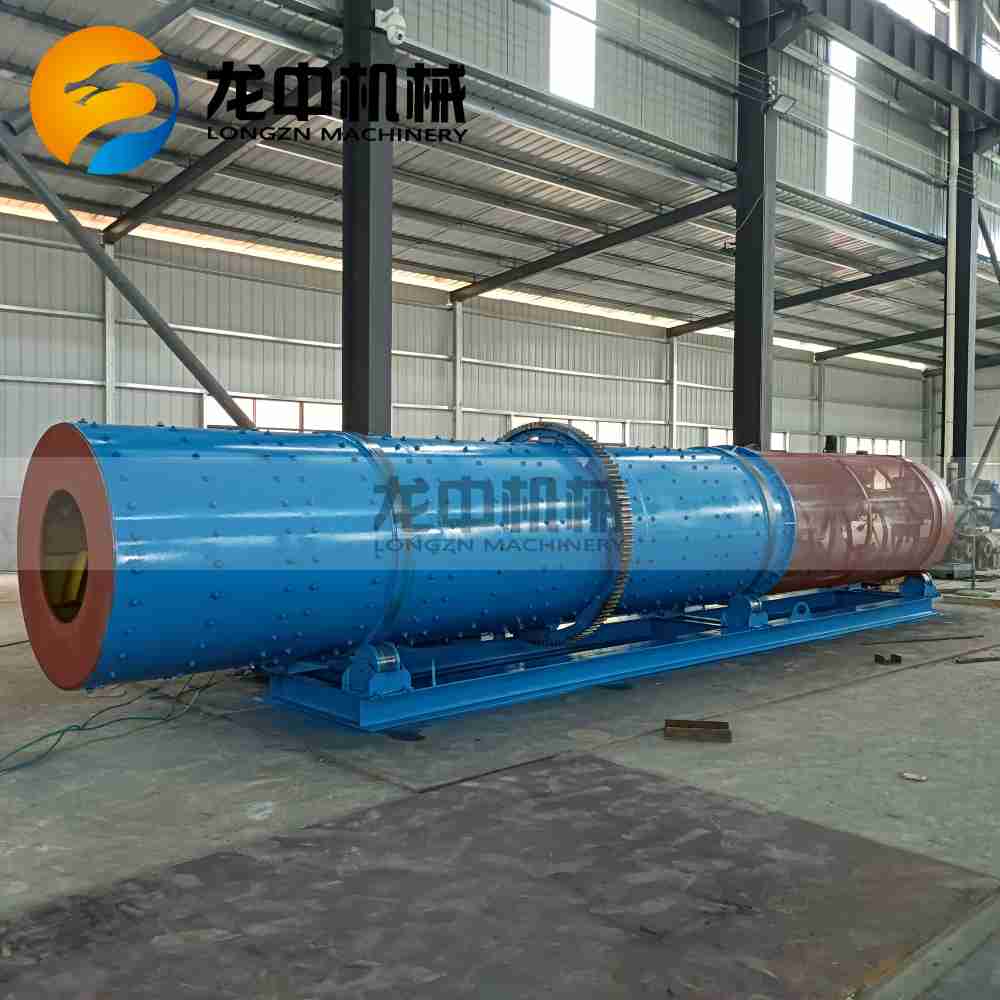
II. Gravity Separation of Alluvial Gold Ore
Due to variations in the particle size distribution of gold in alluvial deposits, different gravity separation equipment have effective particle size limits for processing materials. Typically, jigs are used as roughing equipment for alluvial gold beneficiation, while shaking tables serve as cleaning equipment for the coarse concentrate from jigs. For some low-grade alluvial gold deposits, sluice boxs are used as roughing equipment, jig machines as scavenging equipment, and shaking tables as cleaning equipment. Therefore, a rational alluvial gold beneficiation process often involves the combined operation of several gravity separation devices.
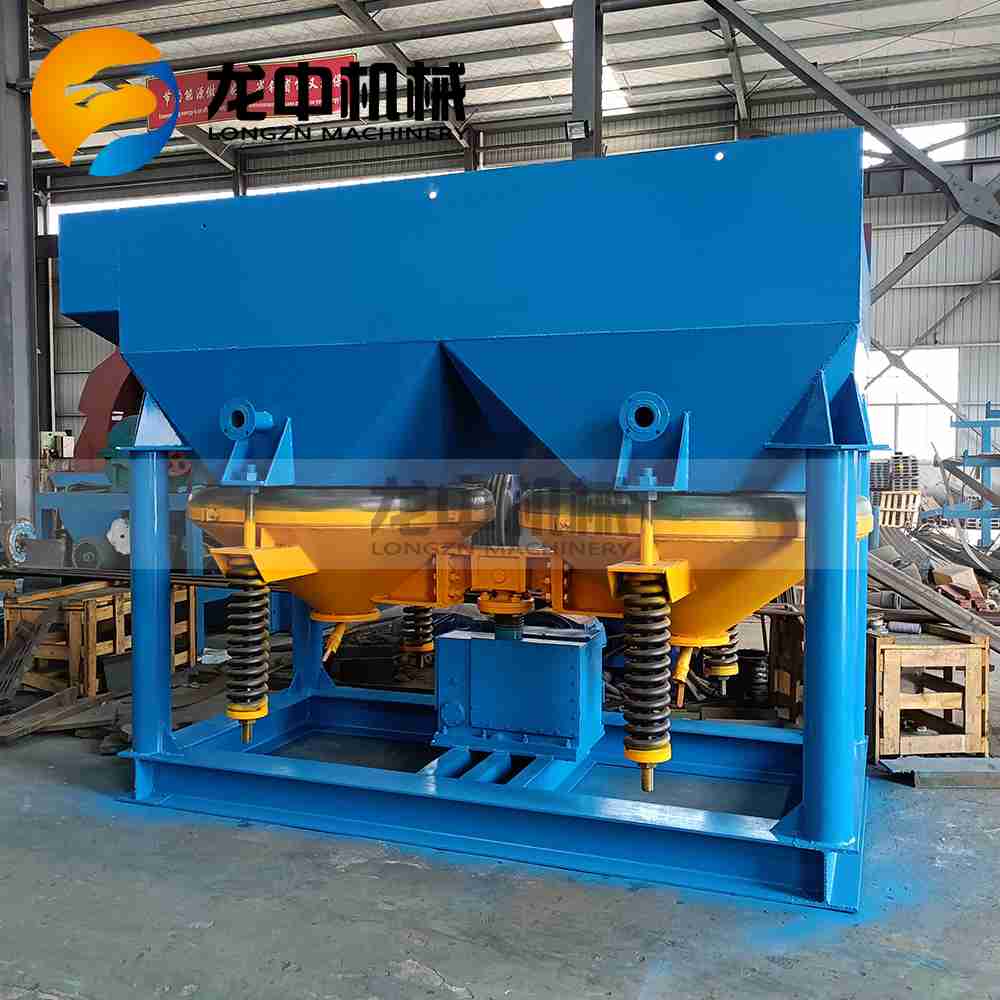
1. Jig machine for Gold
The main equipment for jigging is the jig machine, which separates mineral particles of different densities by stratifying them in a vertically moving variable-speed medium flow. Light minerals remain in the upper layer, while heavy minerals settle to the lower layer. The stratified materials are then discharged separately using mechanical and water flow actions. Jigs are suitable for separating coarse mineral particles (any size except ultrafine materials), with a beneficiation size range of 0.074–50mm for metallic minerals. For alluvial gold beneficiation, the lower limit can reach 0.04mm, provided the density difference is ≥1.25 and the ore is fully liberated. This method is simple to operate, has high processing capacity, and is highly effective in roughing gold ore.
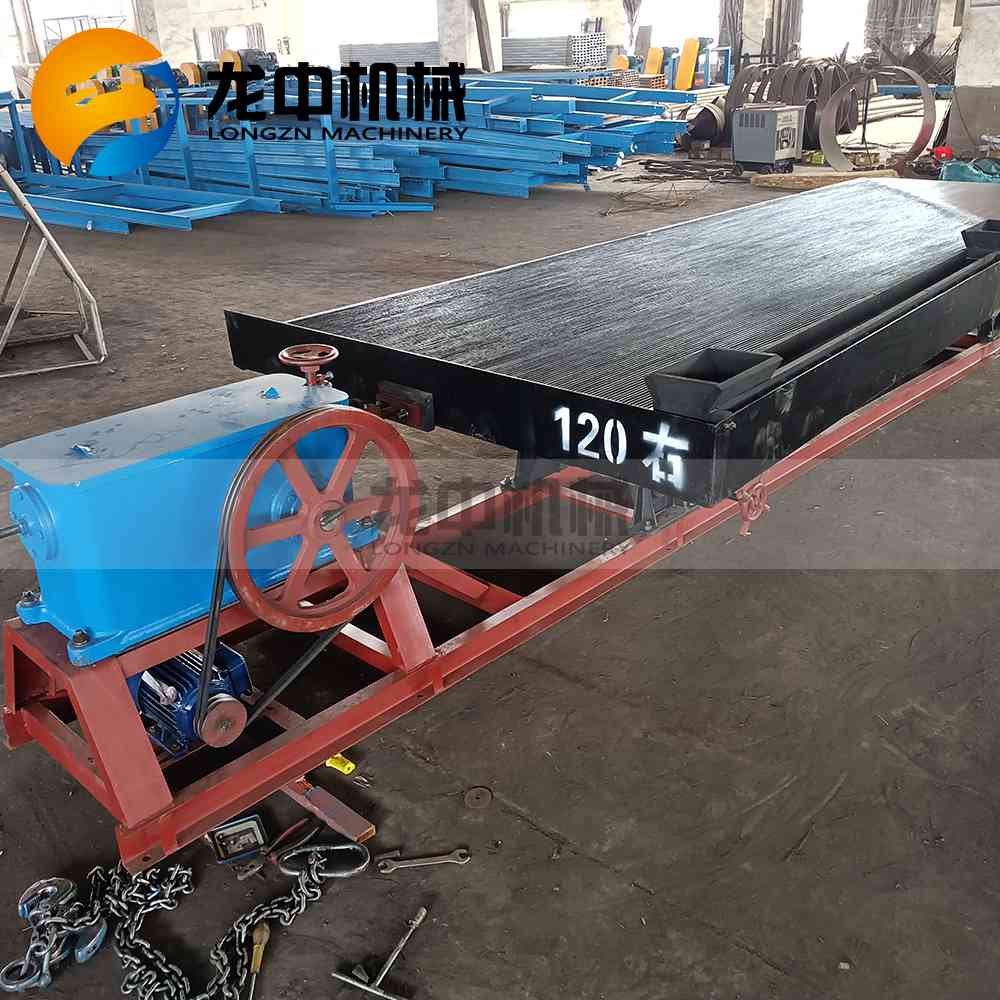
2. Shaking Table for Gold
The main equipment for shaking table separation is the shaking table, which operates in an inclined medium flow.
The drive mechanism moves the table longitudinally in a reciprocating motion, making flushing and differential motion.
Mineral particles undergo stratification perpendicular to the table and separation parallel to the table, allowing particles
of different sizes to be discharged from different sections of the table. Shaking tables are suitable for processing fine-grained
minerals and can be categorized into coarse sand tables, fine sand tables, and slime tables based on the ore particle size.
Coarse sand tables are used for particles between 0.5–2.0mm, fine sand tables for particles ranging from 0.074–0.5mm,
and slime tables for particles between 0.037–0.074mm. The feed size range for shaking table gold separation is generally
0.019–3mm. This method is stable and reliable, with clearly visible ore band distribution, a higher concentration ratio compared
to other methods, easy management, and the ability to achieve desired separation in a single pass.
3. Sluice Box for Gold
Gold sluice boxs utilize inclined water flow for separation. Under the combined action of water flow, mineral gravity, and friction between particles and the sluice bottom, mineral particles settle in different zones of the sluice according to their density. Light particles are carried away by the water flow, while heavy particles remain, completing the separation.
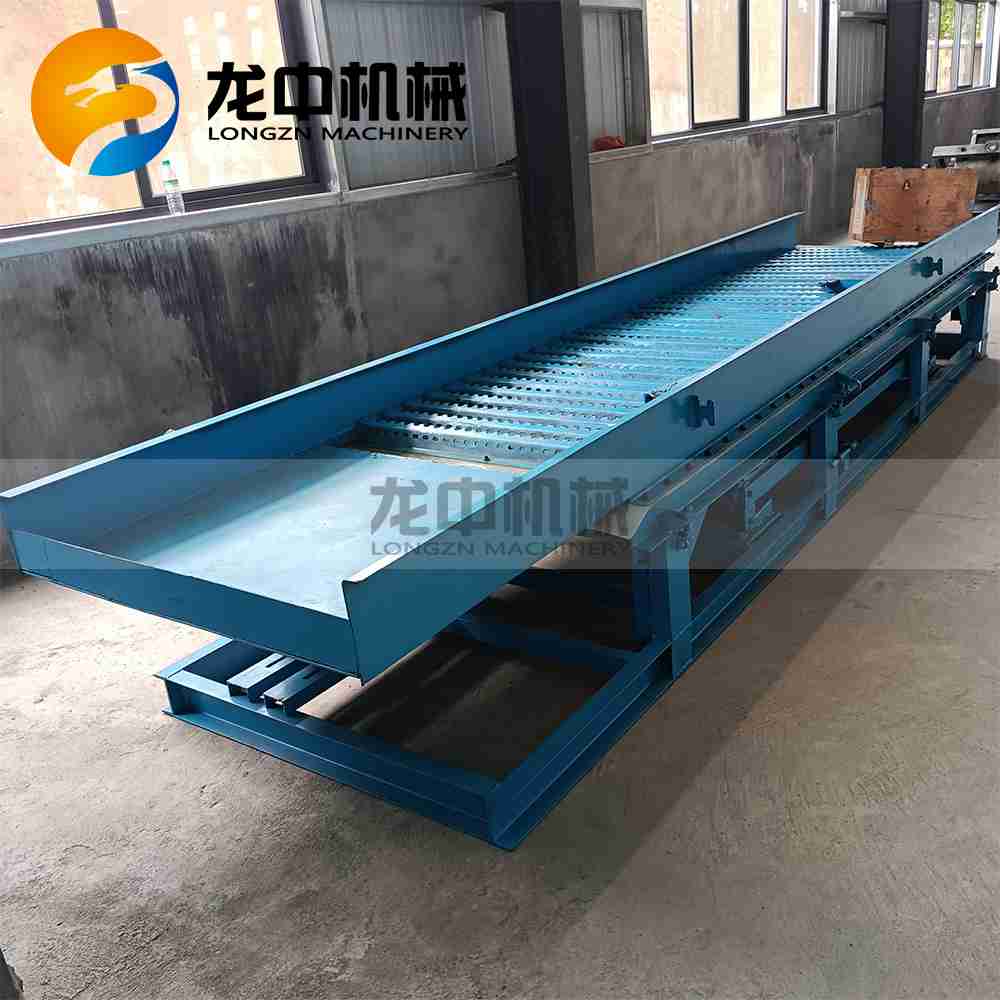
In actual production, the selection of alluvial gold beneficiation methods and equipment must be determined based on the specific properties and characteristics of the ore. Not all alluvial gold processing plants can achieve ideal results using the same beneficiation methods and equipment. It is recommended to conduct beneficiation tests first to develop a rational alluvial gold beneficiation method and customize the appropriate equipment accordingly.