
E-mail:
sale08@lzxkjx.comCall Us:
+86 15390744145
Chromium ore tailings are solid waste generated during the mining and smelting of chromium ore, containing a certain amount of chromium elements and other impurities. If not properly managed, these tailings can pose potential hazards to the environment and human health. Therefore, the scientific and rational treatment of chromium ore tailings holds significant importance.
I. Objectives of Tailings Treatment
The primary objectives of treating chromium ore tailings are to reduce environmental pollution, protect the ecological environment, and achieve resource reuse. Through tailings treatment, the content of harmful substances in the tailings can be reduced, thereby minimizing pollution of soil, water sources, and air. Simultaneously, it enhances the comprehensive utilization rate of resources, achieving a win-win situation for both economic benefits and environmental protection.
II. Tailings Treatment Methods
Physical Treatment Methods
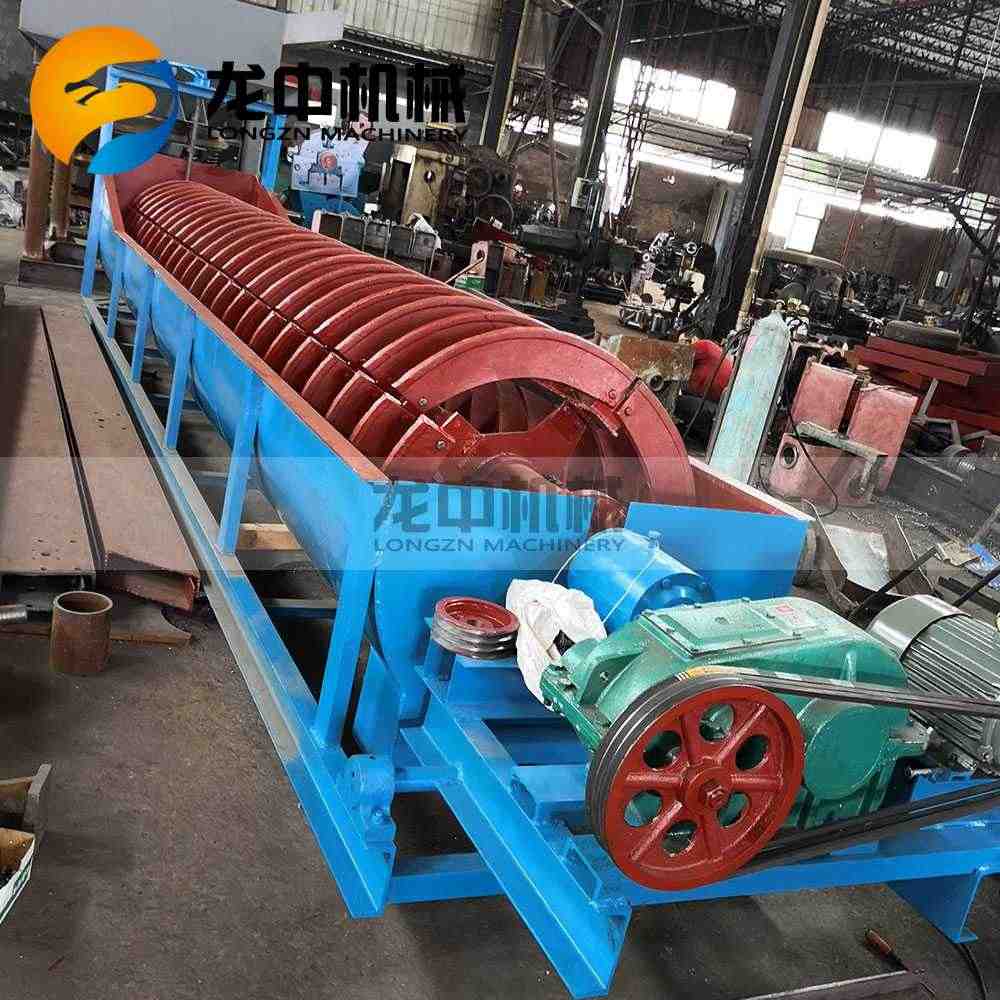
Physical treatment methods mainly include tailings screening, washing, and magnetic separation. Screening separates large pieces of material and impurities from the tailings. Washing utilizes water flow to flush out soluble substances and fine-grained materials. Magnetic separation exploits differences in magnetic properties to separate magnetic substances from the tailings. These methods are simple and practical but have limited effectiveness, typically only removing a portion of the impurities.
Chemical Treatment Methods
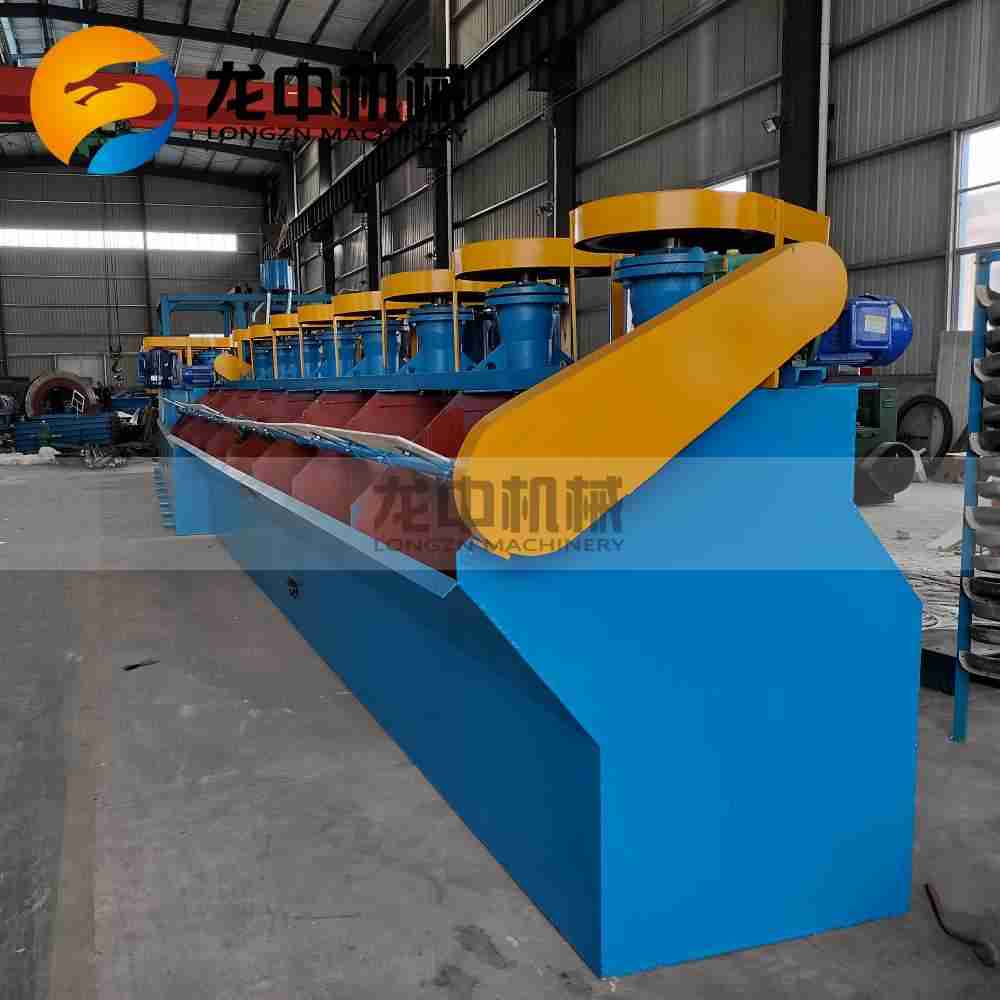
Chemical treatment methods primarily involve leaching, precipitation, and redox processes. The leaching method uses chemical reagents to dissolve valuable metals from the tailings for subsequent extraction. The precipitation method involves adding precipitating agents to convert harmful substances in the tailings into precipitates for separation. The redox method utilizes oxidation-reduction reactions to transform harmful substances in the tailings into non-toxic or less toxic forms. Chemical treatment methods are generally more effective but involve higher costs and may potentially cause secondary pollution.
Biological Treatment Methods
Biological treatment methods mainly include microbial remediation and phytoremediation. Microbial remediation utilizes the metabolic activities of microorganisms to convert harmful substances in the tailings into non-toxic or less toxic forms. Phytoremediation employs the absorption, transformation, and stabilization capabilities of plants to convert harmful substances in the tailings into nutrients within the plant biomass. Biological treatment methods offer advantages such as environmental friendliness and low cost. However, the treatment cycle is usually longer, and their effectiveness is more significantly influenced by environmental conditions.
III. Development Trends in Tailings Treatment
With continuous technological advancements and increasingly stringent environmental protection requirements, methods for treating chromium ore tailings are also constantly evolving and innovating. In the future, tailings treatment will place greater emphasis on environmental protection and resource utilization, aiming to develop more efficient, environmentally friendly, and economical treatment methods. Furthermore, with the widespread application of technologies such as artificial intelligence and big data, tailings treatment is expected to become more intelligent and precise, thereby improving treatment efficiency and quality.
IV. Conclusion
The treatment of chromium ore tailings is an important environmental protection task, crucial for reducing environmental pollution and protecting the ecological environment. In practice, suitable treatment methods should be selected based on the characteristics of the tailings and the treatment requirements to achieve reduction, resource utilization, and harmless disposal of the tailings. With the continuous development of technology, there should also be active exploration of new tailings treatment methods and technologies to promote innovation and development within the tailings treatment industry.
The treatment of chromium ore tailings is a complex and vital undertaking that requires comprehensive consideration of various factors including environmental protection, economics, and technology. Through scientific, rational treatment methods and technical means, the potential hazards of tailings to the environment and human health can be effectively reduced, enabling the sustainable utilization of resources and the sustainable development of the environment.