
E-mail:
sale08@lzxkjx.comCall Us:
+86 15390744145
Gold oxide ores, characterized by their complex mineralogical properties and diverse modes of gold occurrence, present significant challenges in mineral processing, often causing difficulties for practitioners. However, selecting the appropriate method can effectively improve gold recovery rates. Below is a detailed introduction to five common beneficiation methods for gold oxide ores, including their core principles, suitable applications, and key points.
1. Gravity Separation: Simple and Direct, Suitable for Coarse-Grained Gold Recovery
Core Principle
This method utilizes the density difference between gold and other minerals. Since gold has a much higher density than gangue minerals, it becomes concentrated in layers under gravity within a specific moving medium.
Applicable Scenarios
Particularly suitable for recovering coarse-grained gold (typically > 0.074 mm) from gold oxide ores, with significant effectiveness for ores with good liberation.
Key Equipment and Operation
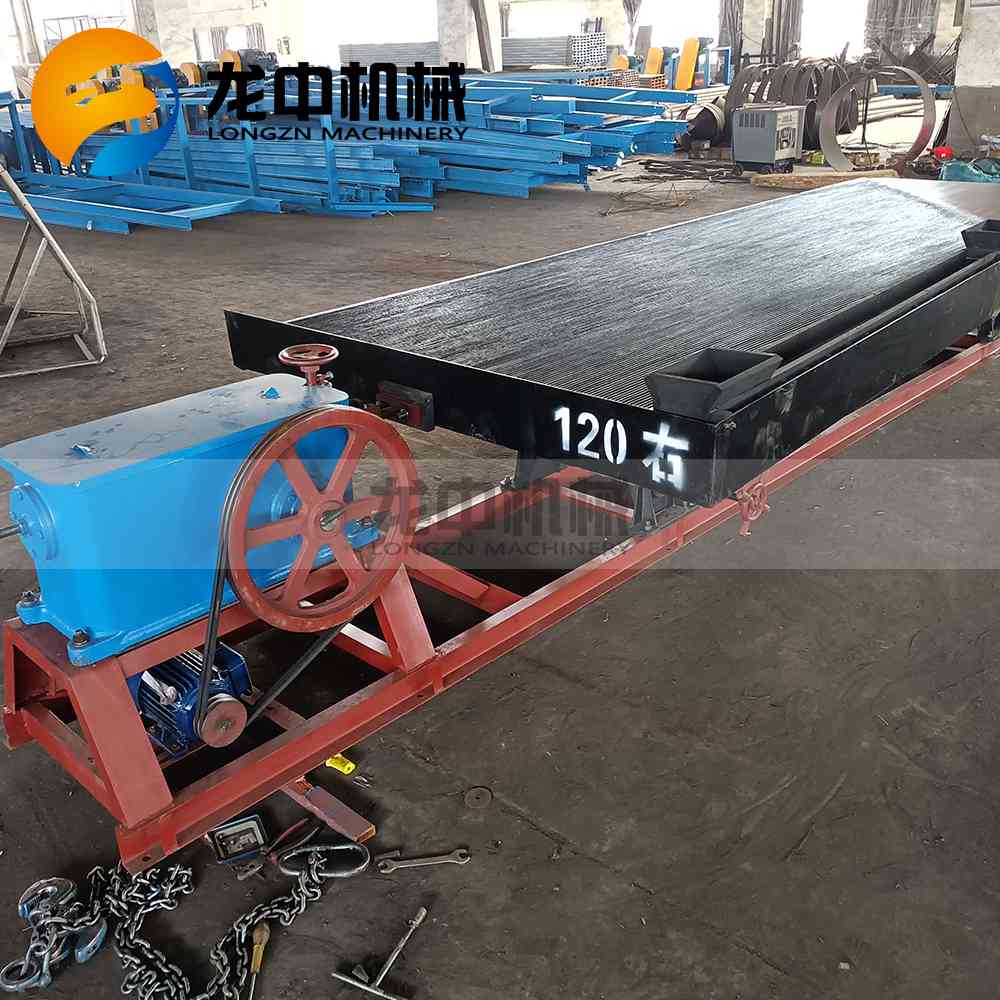
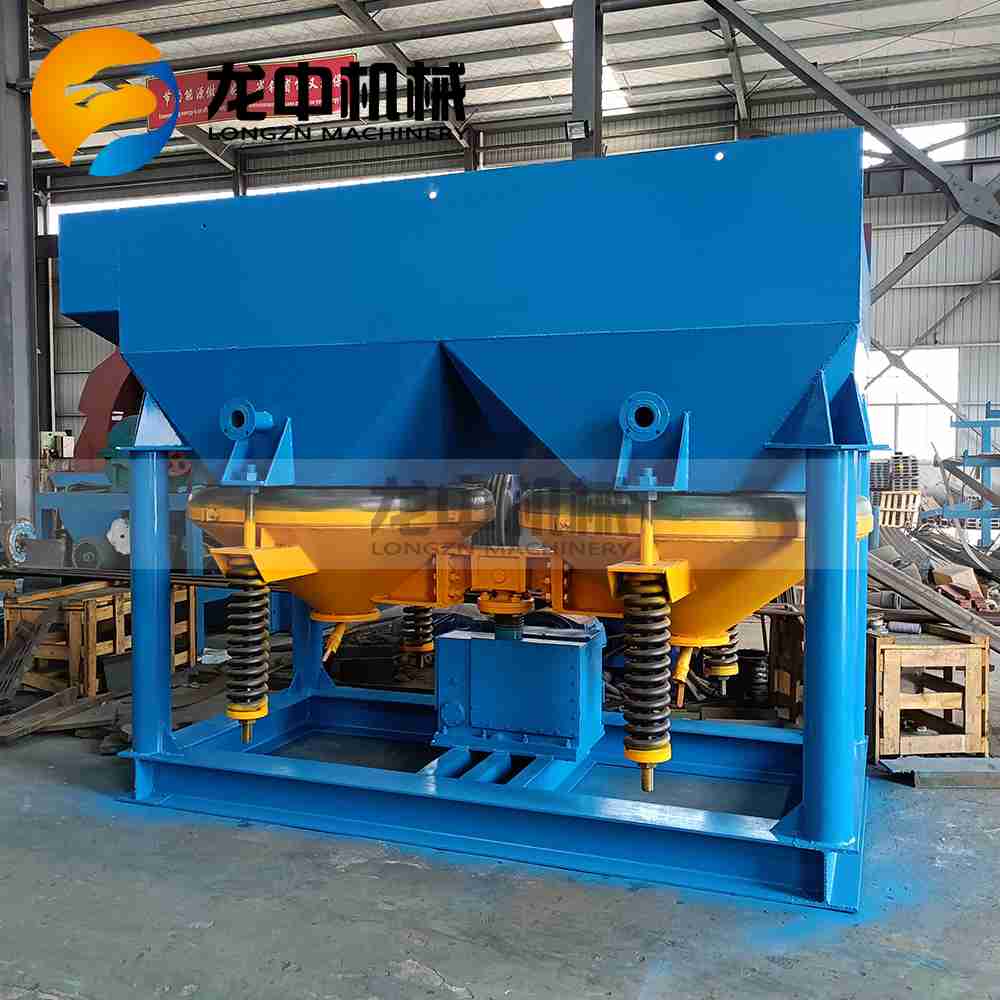
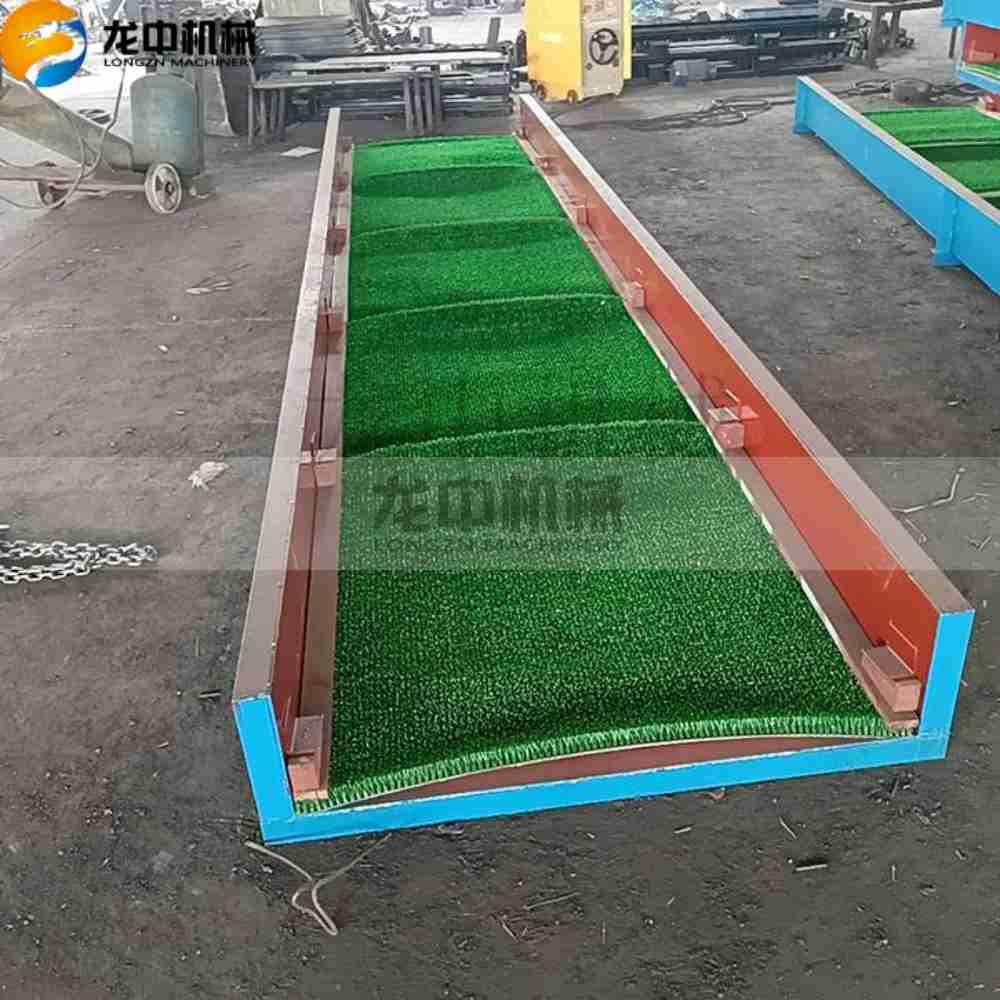
Common equipment: Shaking tables, jigs, sluices.
Shaking Table: Combines longitudinal reciprocating motion and lateral water flow to concentrate gold particles in the concentrate band.
Jig Machine: Uses vertical alternating water flow to settle gold particles into the lower concentrate chamber.
Sluice: Relies on gravity settling during pulp flow, where gold particles deposit in the trapping device at the bottom.
Notable Advantages: Simple operation, low cost, pollution-free. It can serve as a preliminary stage to recover coarse gold early, reducing the load on subsequent processes.
2. Flotation: Flexible and Efficient for Fine-Disseminated Gold Ores
Core Principle
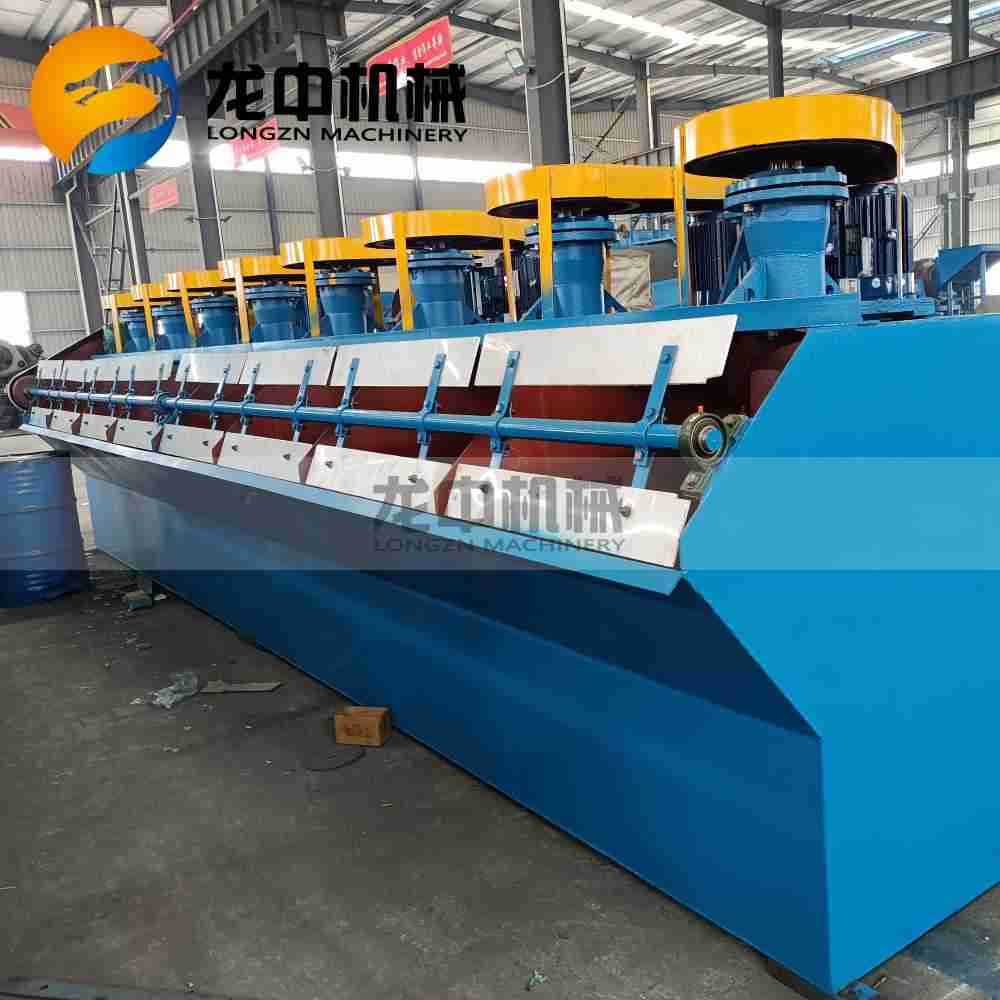
Based on differences in the physicochemical properties of mineral surfaces, flotation reagents render gold particle surfaces hydrophobic. These particles then attach to air bubbles and rise to form a concentrate froth.
Applicable Scenarios
Targets fine-disseminated gold oxide ores (gold particle size < 0.074 mm), especially those where gold is closely associated with sulfide minerals or gangue.
Key Reagents and Process
Core Reagents:
Collectors (xanthates, dithiophosphates): React with gold surfaces to enhance hydrophobicity.
Frothers: Generate stable bubbles to carry gold particles.
Modifiers: Adjust pulp pH and inhibit gangue minerals.
Notable Advantages: High recovery rate for fine gold. By adjusting reagent formulation and process parameters, it can flexibly adapt to ores of different natures, making it a mainstream method for gold oxide ore processing.
3. Cyanidation: Classic and Practical for Soluble Gold Extraction
Core Principle
Under oxygenated conditions, cyanide (e.g., sodium cyanide) reacts with gold to form water-soluble gold-cyanide complexes, which are then extracted via processes like precipitation or electrowinning.
Applicable Scenarios
Suitable for extracting soluble gold from ores, with excellent results for highly oxidized ores where gold is well liberated.
Main Methods and Considerations
Common Methods:
Agitation Cyanidation: Reacts finely ground ore with cyanide solution in agitators, suitable for fine, uniform ores.
Percolation Cyanidation: Cyanide solution percolates through ore heaps, often used for coarse ores or tailings.
Key Consideration: Cyanide is highly toxic. Strict safety protocols and environmental protection measures are essential to prevent poisoning and pollution.
4. Heap Leaching: Low-Cost, Suitable for Low-Grade Gold Oxide Ores
Core Principle
Ore is stacked on an impermeable pad and irrigated with a leaching solution (e.g., cyanide, thiourea). As the solution percolates, it reacts with gold to form a pregnant solution, from which gold is recovered.
Applicable Scenarios
Specifically for low-grade gold oxide ores (typically < 3 g/t), effectively utilizing low-value resources that are difficult to process by conventional methods.
Process Characteristics and Limitations
Notable Advantages: Low investment, simple process, low energy consumption, minimal equipment requirements.
Main Limitations: Long leaching cycle (often months), highly affected by climate (prone to pollution in rainy areas, slow reaction in cold regions). Best suited for arid, low-rainfall areas.
5. Chemical Oxidation: Overcoming Bottlenecks in Refractory Gold Oxide Ores
Core Principle
Chemical oxidants (e.g., hydrogen peroxide, potassium permanganate) or high-temperature/pressure conditions are used to destroy the structure of interfering components like sulfides or carbonaceous matter, exposing encapsulated gold for subsequent recovery.
Applicable Scenarios
Targets refractory gold oxide ores containing sulfides (pyrite, arsenopyrite), carbonaceous matter, or clay minerals, which can adsorb gold or hinder its reaction with leachants.
Typical Processes and Effectiveness
Oxidation Roasting: Decomposes sulfides at high temperatures to eliminate their interference.
Chemical Oxidation: Adds oxidants to inhibit gold adsorption by carbonaceous matter, improving recovery.
Key Role: Addresses bottlenecks in ores difficult to treat by conventional methods, significantly enhancing gold recovery from refractory ores.
Conclusion: Tailored Selection and Synergistic Combinations
The properties of different gold oxide ores vary significantly. In practice, selection should be based on ore grade, gold particle size, associated minerals, etc., flexibly choosing a single method or combined processes (e.g., gravity + flotation, cyanidation + heap leaching). Key considerations include balancing recovery rate, cost, environmental impact, and safety. Only through such careful evaluation can gold extraction from the ore be maximized, achieving a balance between economic benefit and sustainable development.