
E-mail:
sale08@lzxkjx.comCall Us:
+86 15390744145
Gold-bearing sulfide ores represent one of the most crucial sources of gold. Their defining characteristic is that gold (Au) primarily occurs as fine-grained or sub-microscopic inclusions locked within sulfide minerals (mainly pyrite and arsenopyrite, followed by chalcopyrite, galena, etc.). Due to this intimate association between gold and sulfides, efficient recovery cannot be achieved through simple gravity separation or amalgamation. Consequently, a complex and well-established system of beneficiation methods and process flowsheets for gold-bearing sulfide ores has been developed. Its core objective is to achieve maximum liberation of gold from sulfide minerals and to efficiently concentrate the gold-bearing sulfide concentrate, thereby creating optimal conditions for subsequent metallurgical gold extraction.
I. Core Beneficiation Methods for Gold-Bearing Sulfide Ores
The beneficiation of gold-bearing sulfide ores primarily relies on the flotation method, often combined with gravity separation and cyanidation processes to form integrated recovery flowsheets.
1. Flotation Method (Core Method)
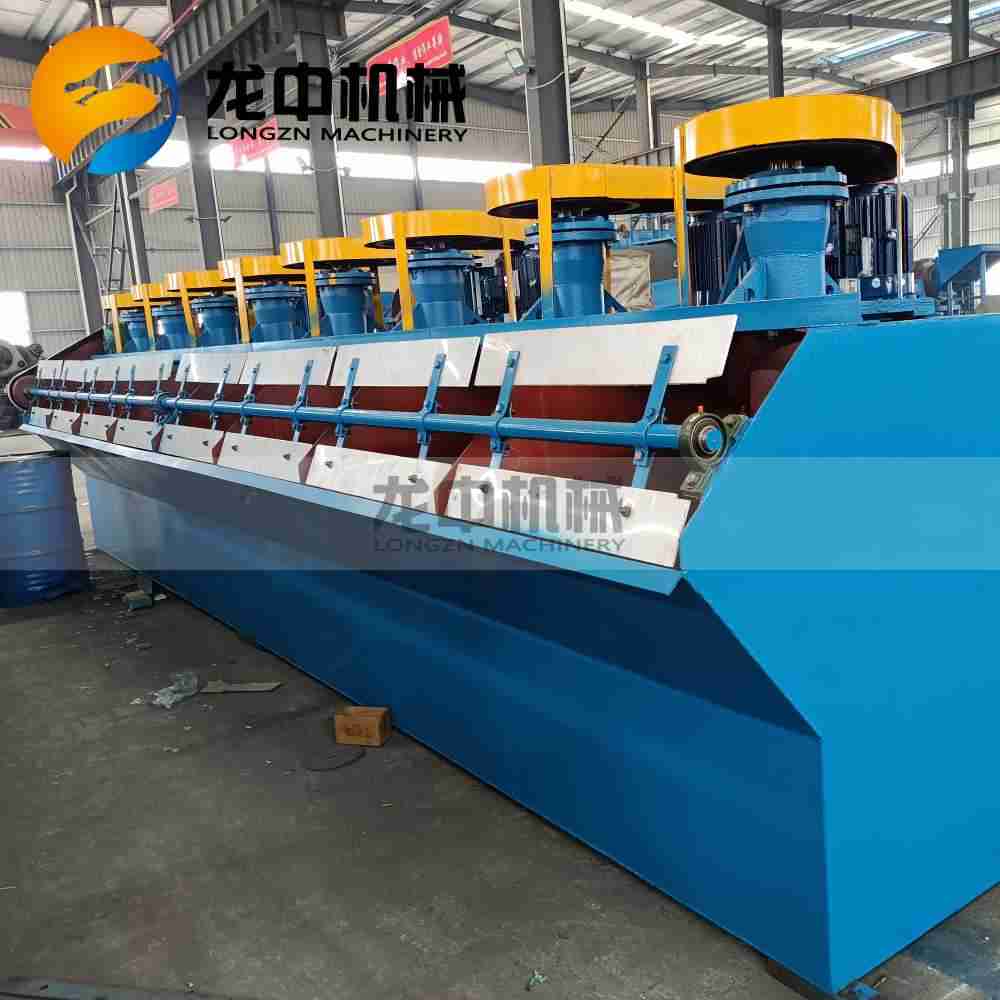
Flotation is a separation technique that exploits differences in the physicochemical surface properties of minerals. Specific reagents are used to selectively attach target minerals to air bubbles, causing them to float for separation. For gold-bearing sulfide ores, the flotation target is not liberated gold particles but rather the gold-host sulfide minerals.
Principle: After grinding, specific flotation reagents are added:
Collectors: Such as xanthates and dithiophosphates, which selectively adsorb onto sulfide mineral surfaces, rendering them hydrophobic.
Frothers: Such as pine oil, which generate stable air bubbles in the pulp.
Modifiers: Including pH regulators (e.g., lime to create an alkaline environment suppressing pyrite, or activators like copper sulfate for sphalerite), depressants (e.g., cyanide to depress pyrite—used cautiously as it dissolves gold), etc.
Advantages: Highly efficient for recovering gold from finely disseminated sulfide minerals, offers high concentration ratios, large processing capacity, and relatively low cost.
2. Gravity Separation Method (Auxiliary/Combined Method)
Gravity separation separates minerals based on density differences within a medium (water or air).
Application Scenarios: Primarily used at two points in the flowsheet:
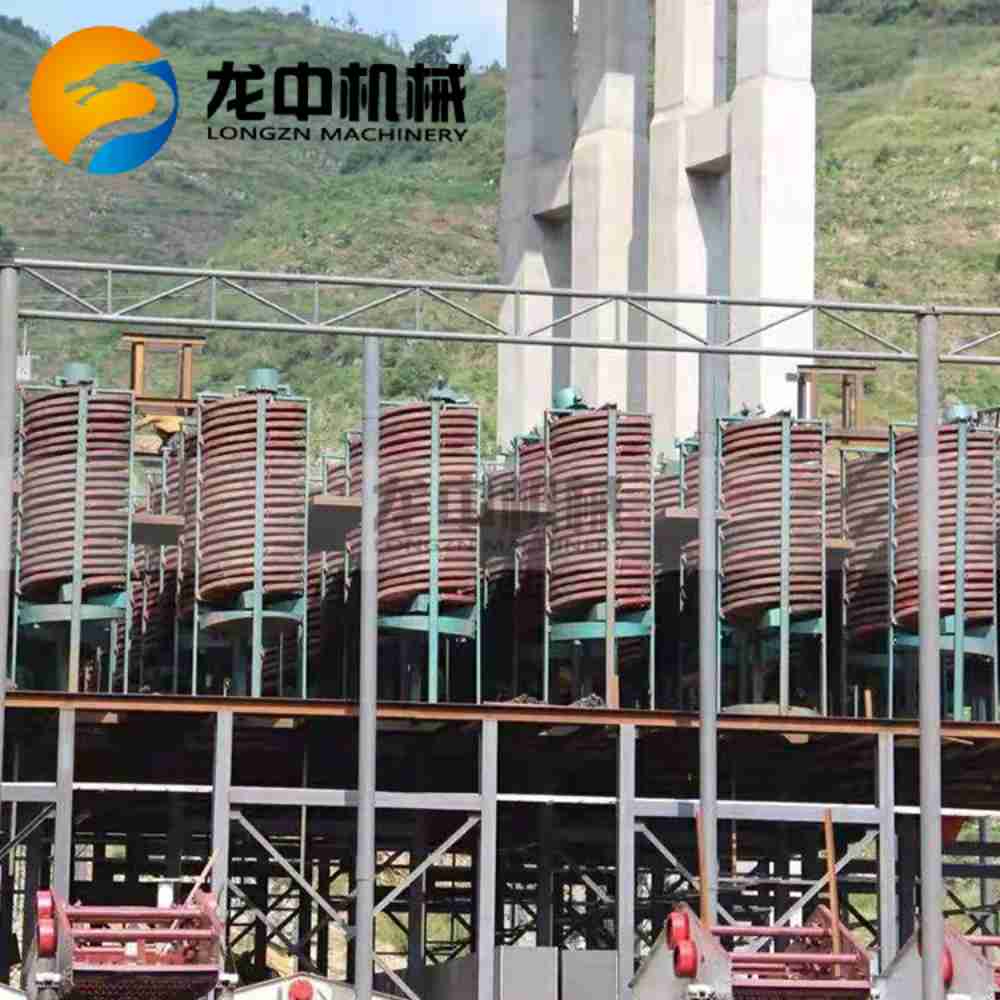
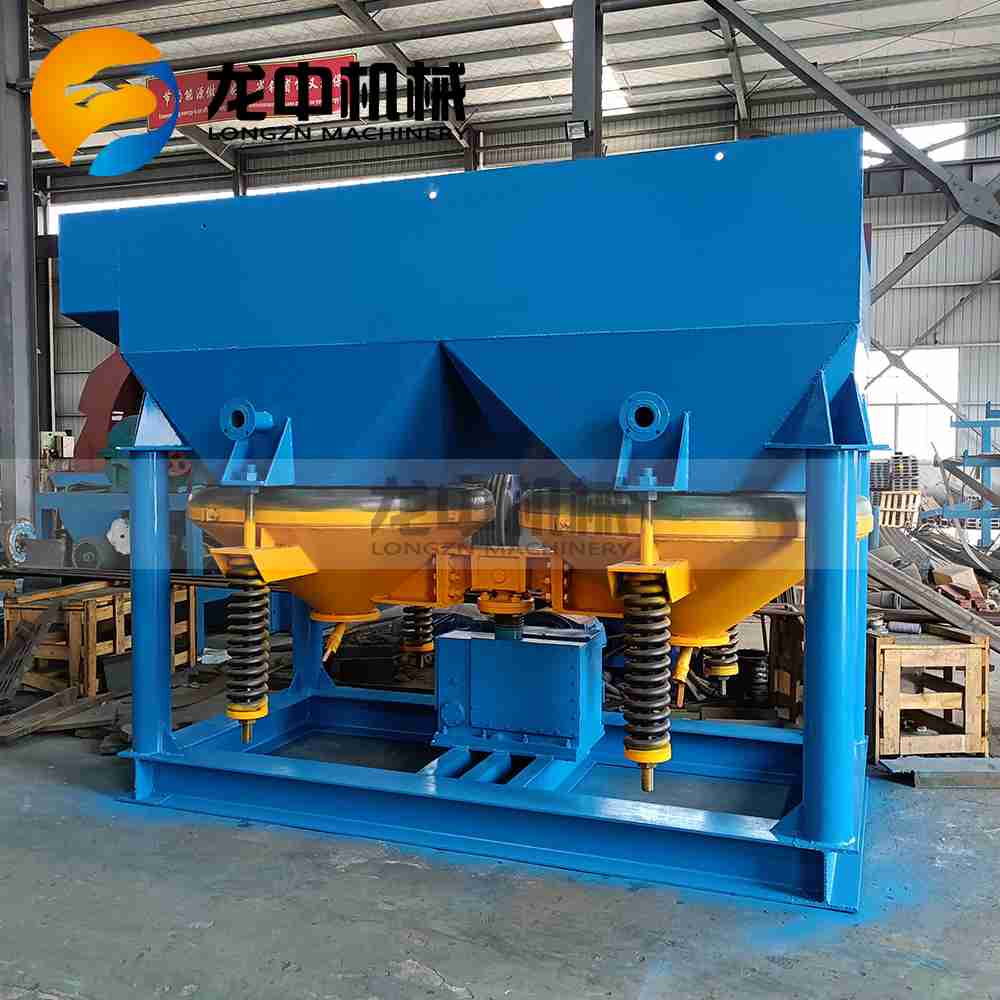
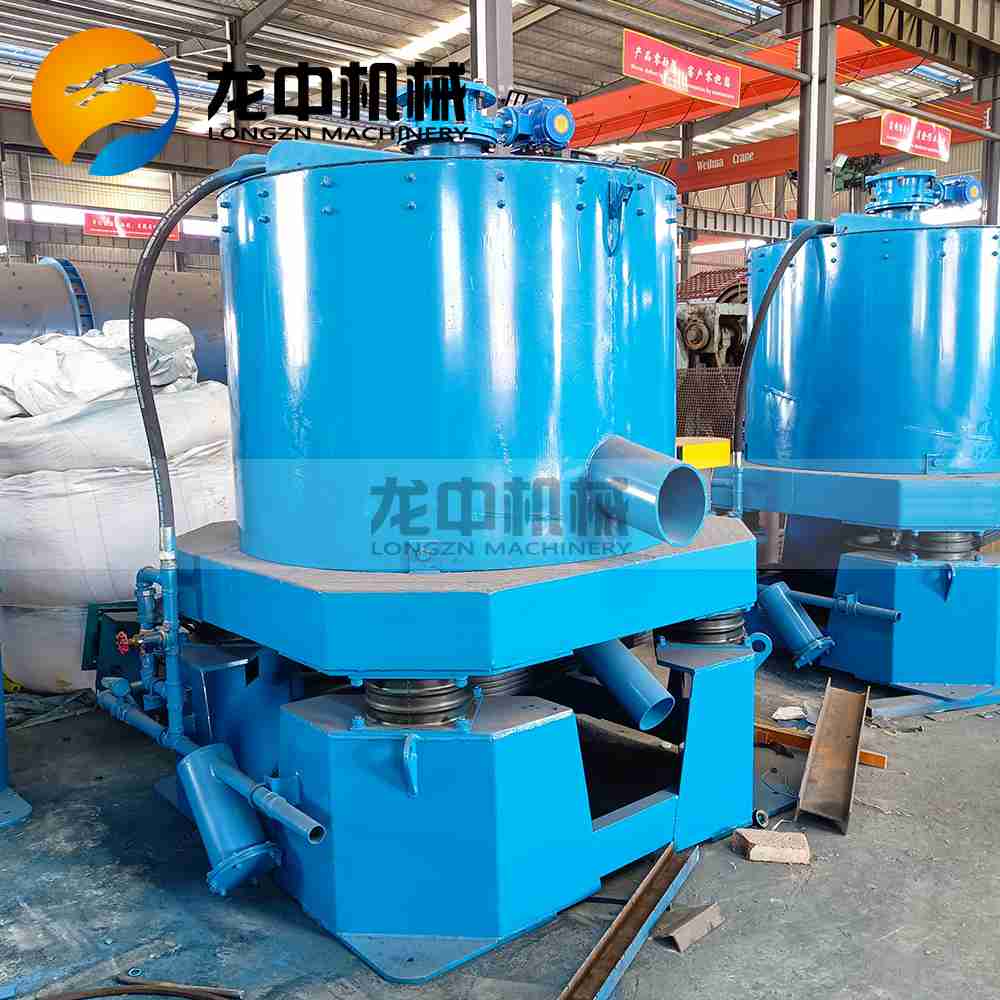
Recovering coarse liberated gold in the grinding circuit: Employing equipment like jigs, spiral concentrators, or centrifugal concentrators after grinding but before flotation to recover already-liberated coarse free gold. This prevents its over-grinding, loss, or causing "metallization" (forming amalgam affecting flotation) in subsequent stages.
Treating flotation tailings: To recover gold lost due to sliming from over-grinding.
Advantages: Simple process, low cost, pollution-free, and can quickly produce high-grade gold concentrate.
3. Cyanidation Method (Pre-treatment or Direct Treatment)
Cyanidation is a hydrometallurgical process that dissolves gold from ore using a dilute sodium cyanide solution, followed by recovery.
Role in Gold-Bearing Sulfide Ore Processing:
Direct Cyanidation: Applicable only to simple ores where gold exists as medium-to-fine free particles, sulfide mineral content is low, and no "preg-robbing" minerals (e.g., copper, arsenic, antimony minerals) are present.
Flotation-Concentrate Cyanidation (Most Common): The gold concentrate produced by flotation, with significantly increased gold grade (typically 50-100 g/t) and high sulfide content, is an ideal feed for cyanidation. Regrinding and cyanidation of the concentrate drastically reduce reagent consumption and processing costs.
Pre-treatment for Refractory Ores: For "stubborn" ores where gold is encapsulated by arsenic, carbon, or dense sulfides, the flotation concentrate requires pre-treatment (e.g., oxidation roasting, pressure oxidation, bacterial oxidation) to destroy the sulfide matrix and expose the gold for effective cyanide leaching.
4. Combined Process Flowsheets
Modern beneficiation of gold-bearing sulfide ores rarely employs a single method; combined flowsheets are standard.
Gravity-Flotation Combination: The classic circuit, addressing both coarse free gold and fine locked gold.
Flotation-Concentrate Cyanidation Combination: The mainstream circuit, combining the advantages of physical concentration and chemical extraction.
Flotation-Concentrate Pre-treatment-Cyanidation Combination: The essential circuit for treating refractory ores.
II. Detailed Typical Beneficiation Flowsheet
A complete gold-bearing sulfide ore processing plant flowsheet typically comprises the following core stages:
Stage 1: Crushing and Grinding (Preparation for Liberation)
This foundational stage aims to achieve sufficient liberation of gold from sulfide and gangue minerals.
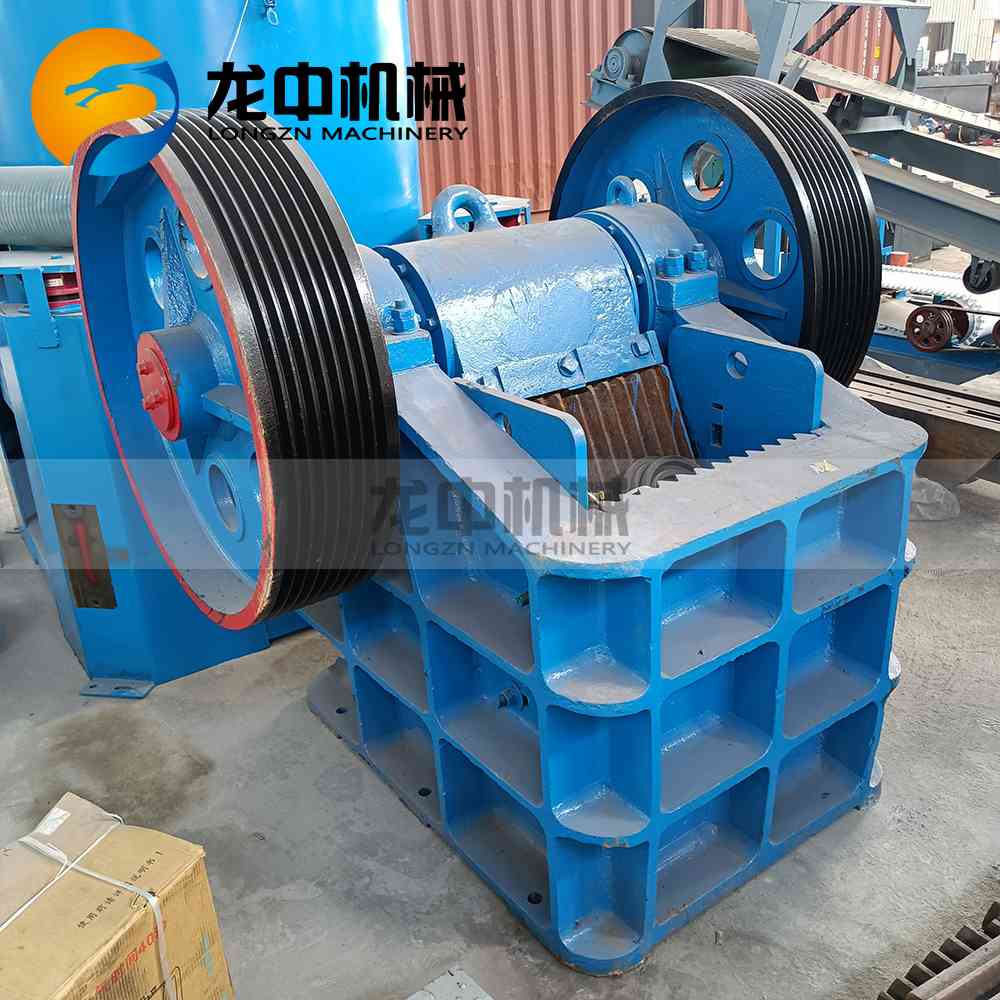
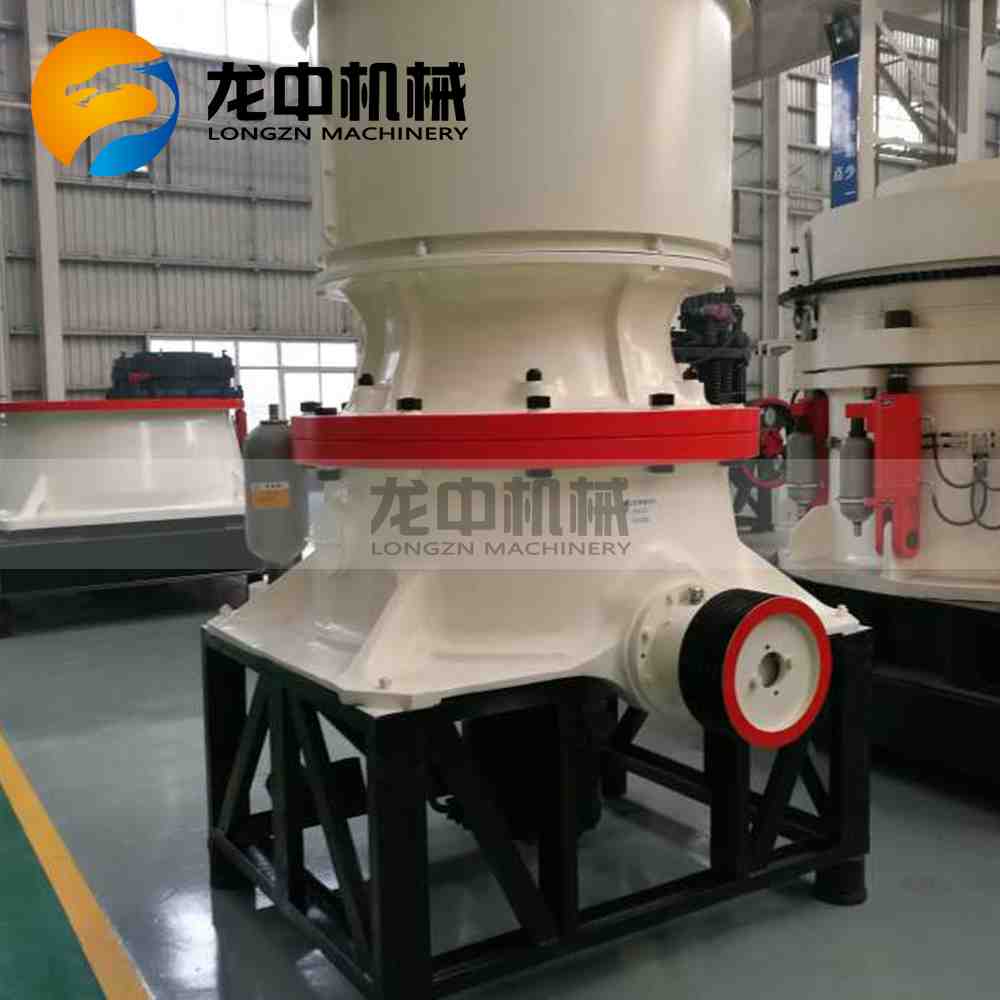
Three-Stage, Closed-Circuit Crushing: Run-of-mine ore undergoes primary crushing (jaw crusher), secondary crushing (cone crusher), screening, and tertiary crushing (cone crusher), ultimately reducing the ore size to below -15mm.
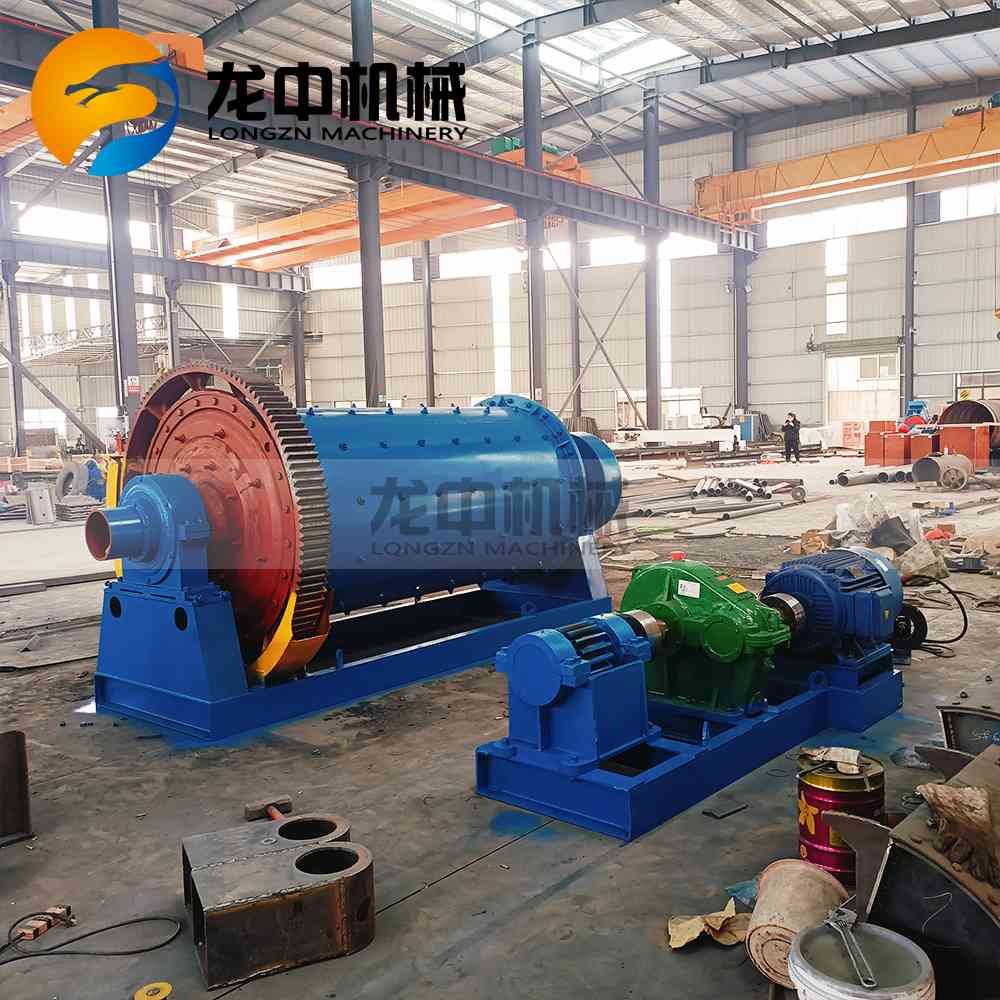
Two-Stage, Closed-Circuit Grinding: The crushed product enters a ball mill for primary grinding, forming a closed circuit with a classifier (e.g., spiral classifier, hydrocyclone) to ensure the target grinding fineness (typically 60%-90% passing 200 mesh). The classifier overflow (fine particles) proceeds to flotation, while the underflow/return sand (coarse particles) is sent back for further grinding. For complex ores, regrinding may be necessary to ensure adequate exposure of locked gold.
Stage 2: Separation and Concentration (Core Operations)
Gravity Separation Points: Jigs are often installed at the mill discharge or classifier sand return to recover coarse gold.
Flotation Operations: The classifier overflow is pumped into the flotation circuit.
Conditioning: Lime is added to adjust pH to 8-11 (to depress pyrite and stabilize the flotation environment), followed by the sequential addition of collector and frother.
Roughing: The first rapid flotation step yields a high-grade but potentially low-recovery rougher concentrate.
Scavenging: The rougher tailings undergo 1-3 scavenging stages to maximize mineral recovery and reduce final tailings grade. Scavenger concentrate is returned to the circuit.
Cleaning: The rougher concentrate undergoes 2-4 cleaning stages. Through regrinding and multi-stage upgrading, middlings and entrapped gangue are rejected to produce the final qualified gold concentrate (high grade and high recovery). Cleaner tailings are returned to the previous stage.
Stage 3: Product Handling and Dewatering
Concentrate Dewatering: The flotation gold concentrate slurry (approx. 20-30% solids) undergoes two-stage dewatering: a thickener (primary dewatering) followed by a filter (e.g., plate & frame filter press, ceramic filter). The final filter cake, with ~15% moisture content, is transported to a smelter or cyanidation plant.
Tailings Management: The tailings slurry is directed to a tailings storage facility. Modern plants emphasize environmental protection and water recycling; clarified water from tailings is recirculated.
Conclusion
The beneficiation methods and process flowsheet for gold-bearing sulfide ores constitute a sophisticated, systematic engineering project. It centers on flotation, flexibly incorporates gravity separation for preliminary gold recovery, and seamlessly integrates with cyanidation metallurgy or oxidation pre-treatment. The design of the flowsheet is highly dependent on the ore's process mineralogy—the occurrence state, grain size, and association of gold with sulfide and gangue minerals. Modern technological development in this field is continuously evolving towards greater efficiency, energy savings, environmental protection, and intelligent operation. It aims to maximize the recovery of this valuable resource while adhering to the principles of sustainable development. Every step, from raw ore to the final gold bar, embodies the ingenuity and innovation of mineral processing technology.