
E-mail:
sale08@lzxkjx.comCall Us:
+86 15390744145
Zircon sand is a crucial industrial mineral widely used in ceramics, glass, foundry, and other fields. To fully utilize this valuable resource, a scientific and efficient beneficiation process is essential. This article provides a detailed analysis of the entire process from raw ore to concentrate, offering a comprehensive understanding of zircon sand beneficiation technology.
1. Raw Ore Mining
The first step in the beneficiation process is the mining of raw ore. Zircon sand ores are typically found in coastal and river placer deposits. They are extracted using mechanical equipment or hydraulic excavation methods.
2. Crushing and Grinding
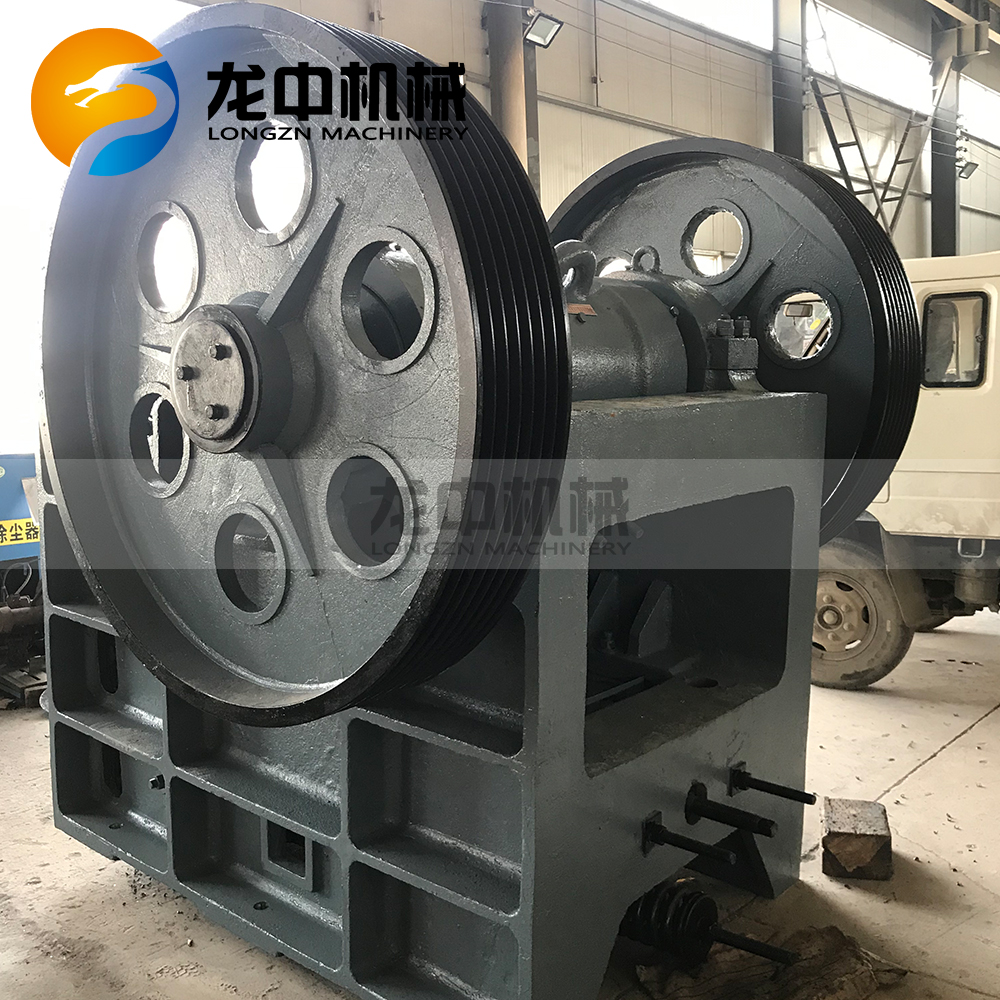
Crushing: Mined zircon sand ore first undergoes crushing. Jaw crushers or cone crushers are used to break down large ore chunks into smaller particles suitable for grinding.
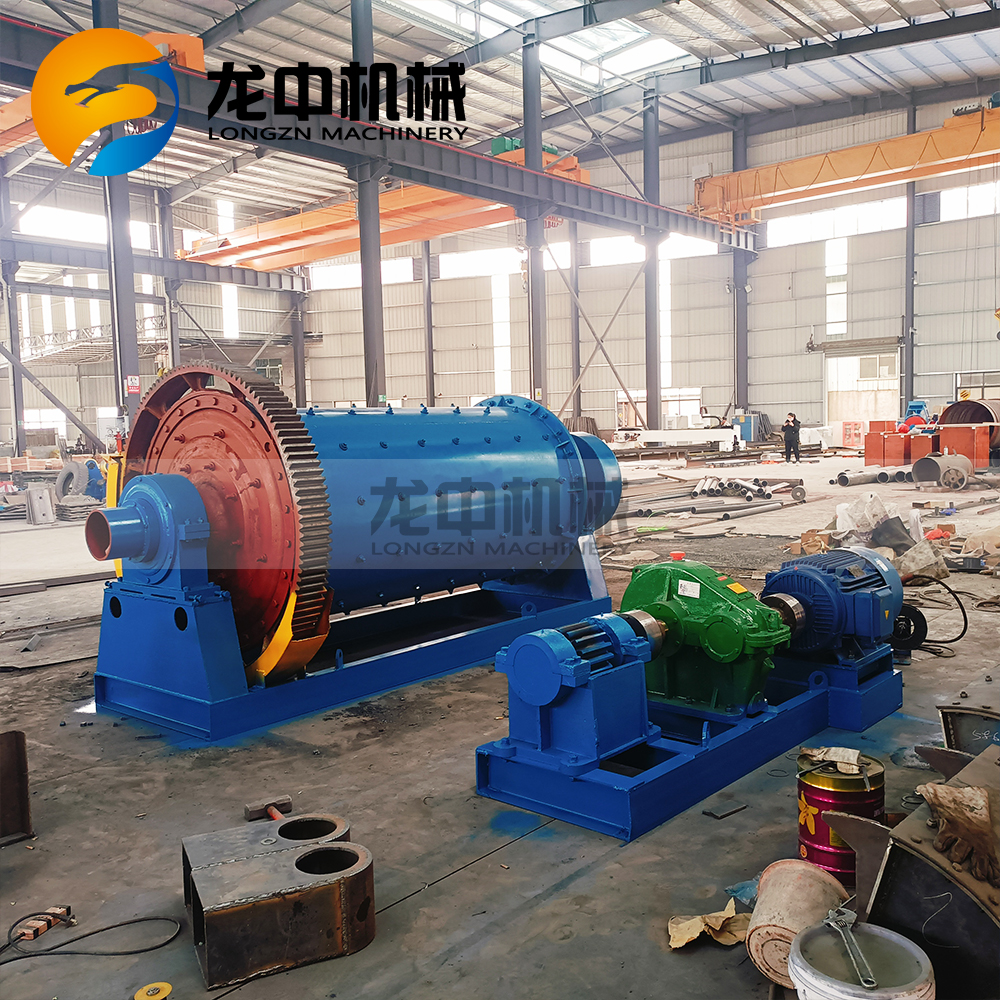
Grinding: The crushed ore is further ground using ball mills or rod mills to achieve the fineness required for beneficiation. This step ensures the adequate liberation of zircon components within the ore, preparing it for subsequent processing stages.
3. Screening and Classification
The ground ore slurry requires screening and classification to separate mineral particles of different sizes.
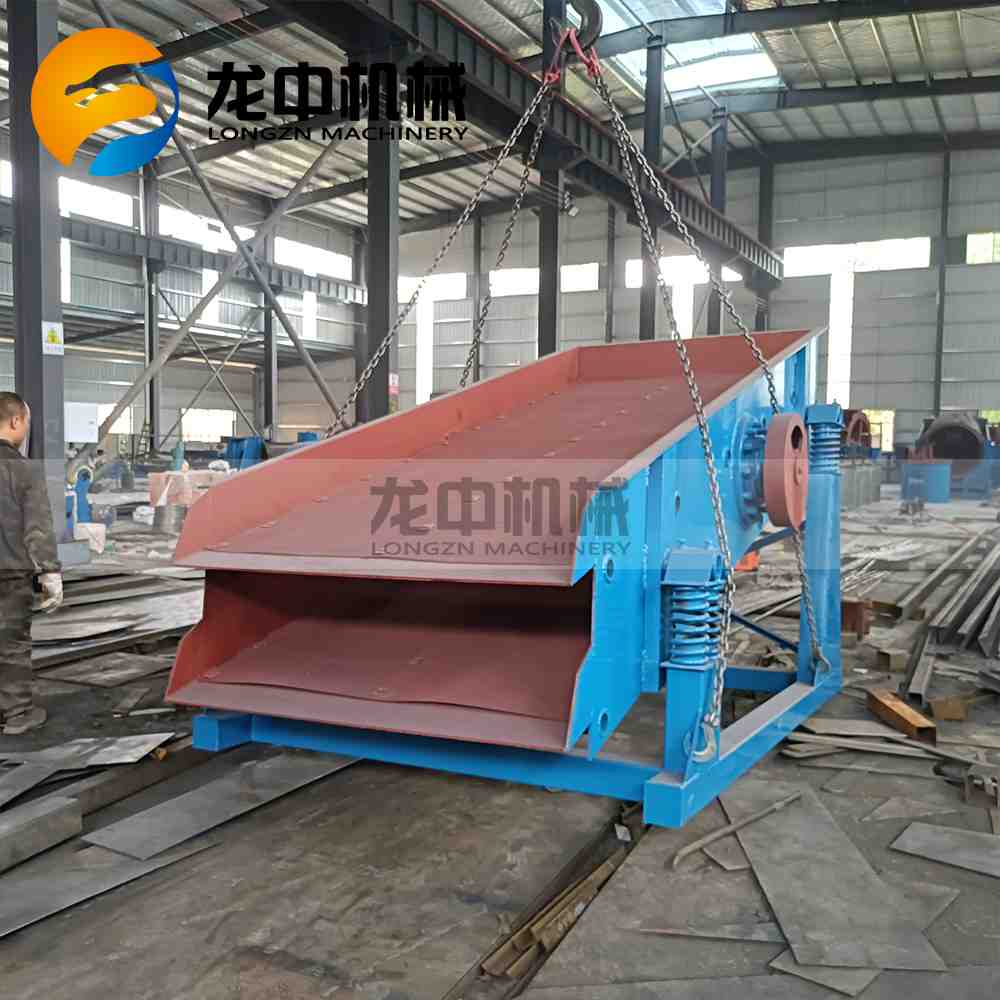
Screening: Vibrating screens or hydrocyclones are used to screen the ground slurry by particle size, removing overly coarse or fine particles.
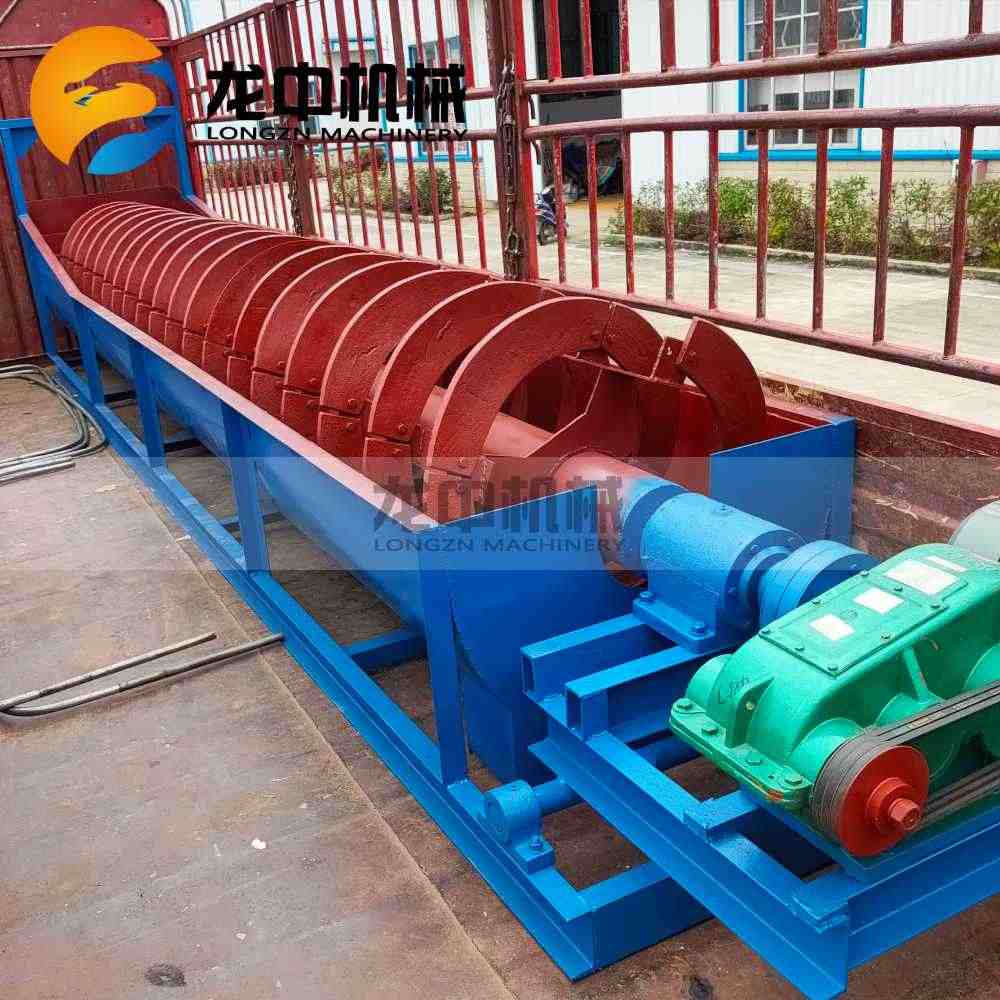
Classification: Spiral classifiers separate fine and coarse mineral particles within the slurry, providing the necessary conditions for the subsequent beneficiation processes.
4. Gravity Separation Process
Gravity separation is one of the key methods for zircon sand beneficiation, utilizing gravity separation equipment to separate minerals based on their differing densities.
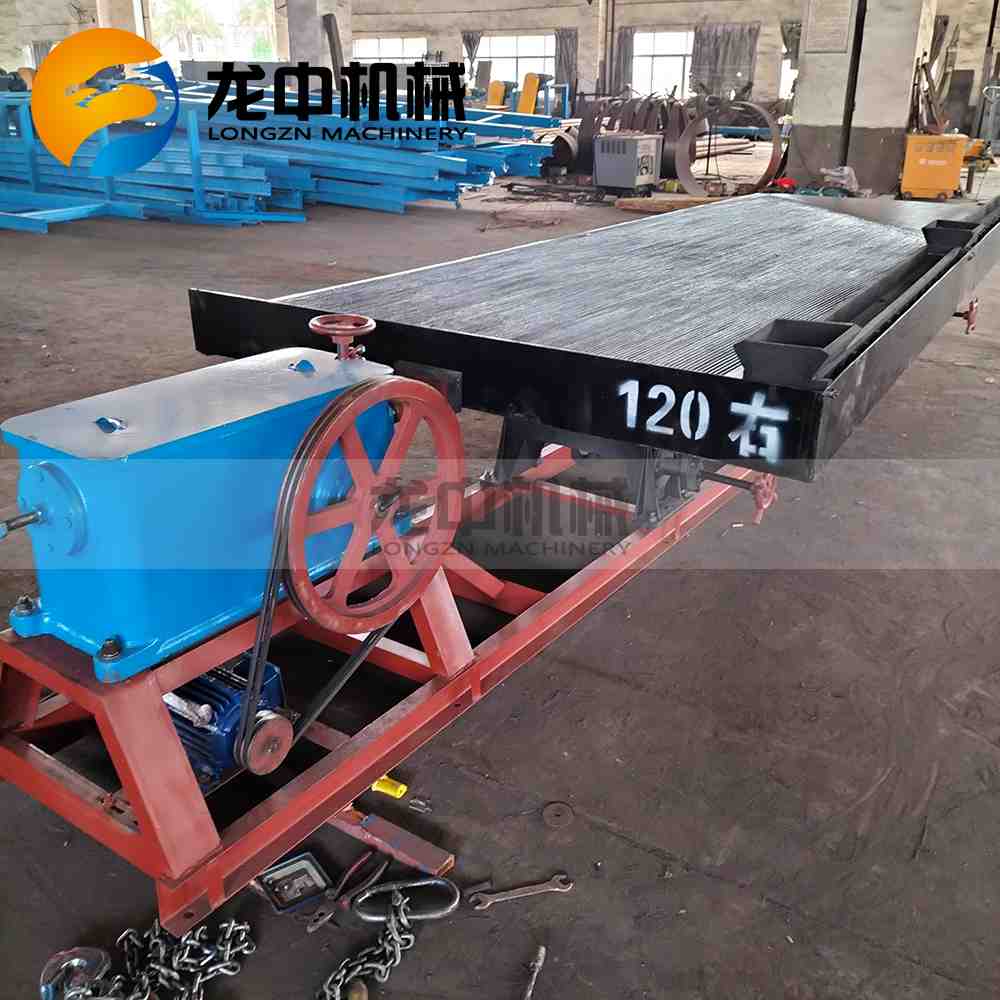
Shaking Table: Using a combination of vibration and water flow, zircon sand is separated from other lighter minerals.
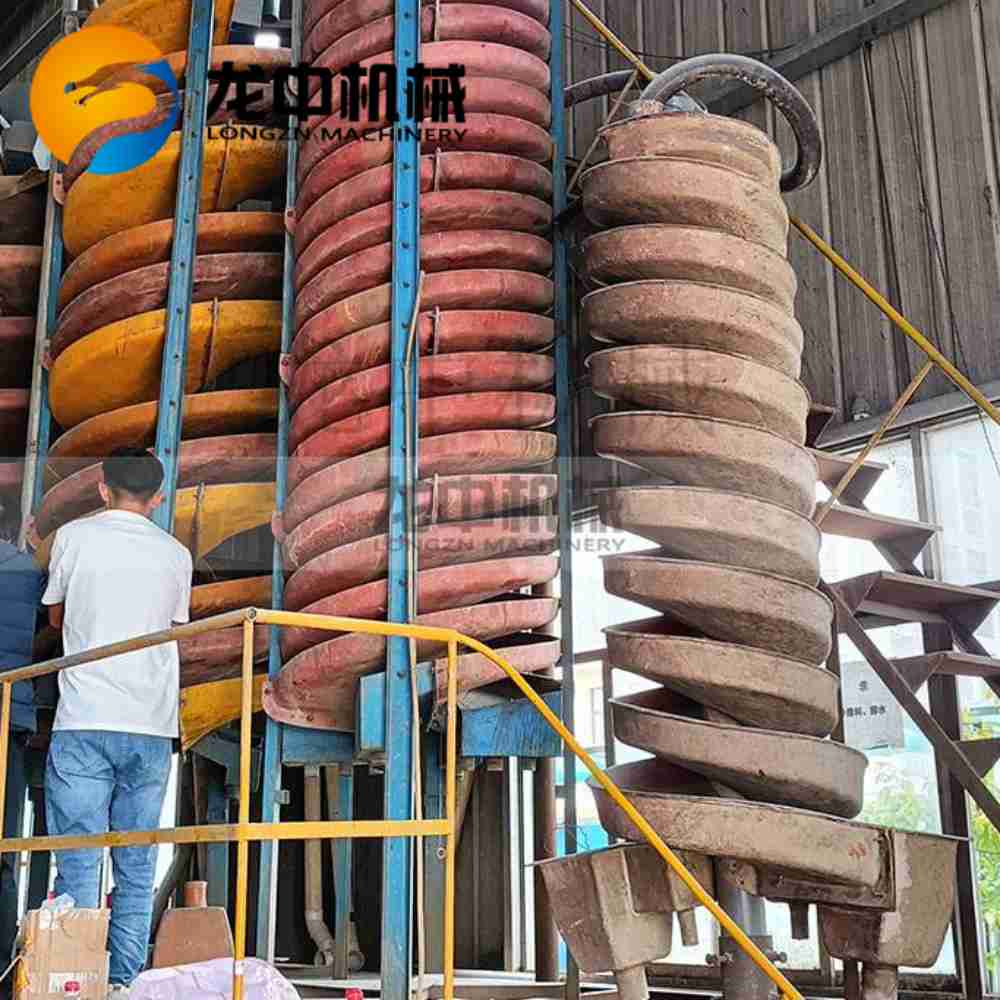
Spiral Chute: The separation is achieved by utilizing the flow of slurry within a spiral trough, leveraging centrifugal force and gravity.
5. Magnetic Separation Process
The magnetic separation process utilizes differences in magnetic properties to separate minerals, further enhancing the purity of zircon sand.
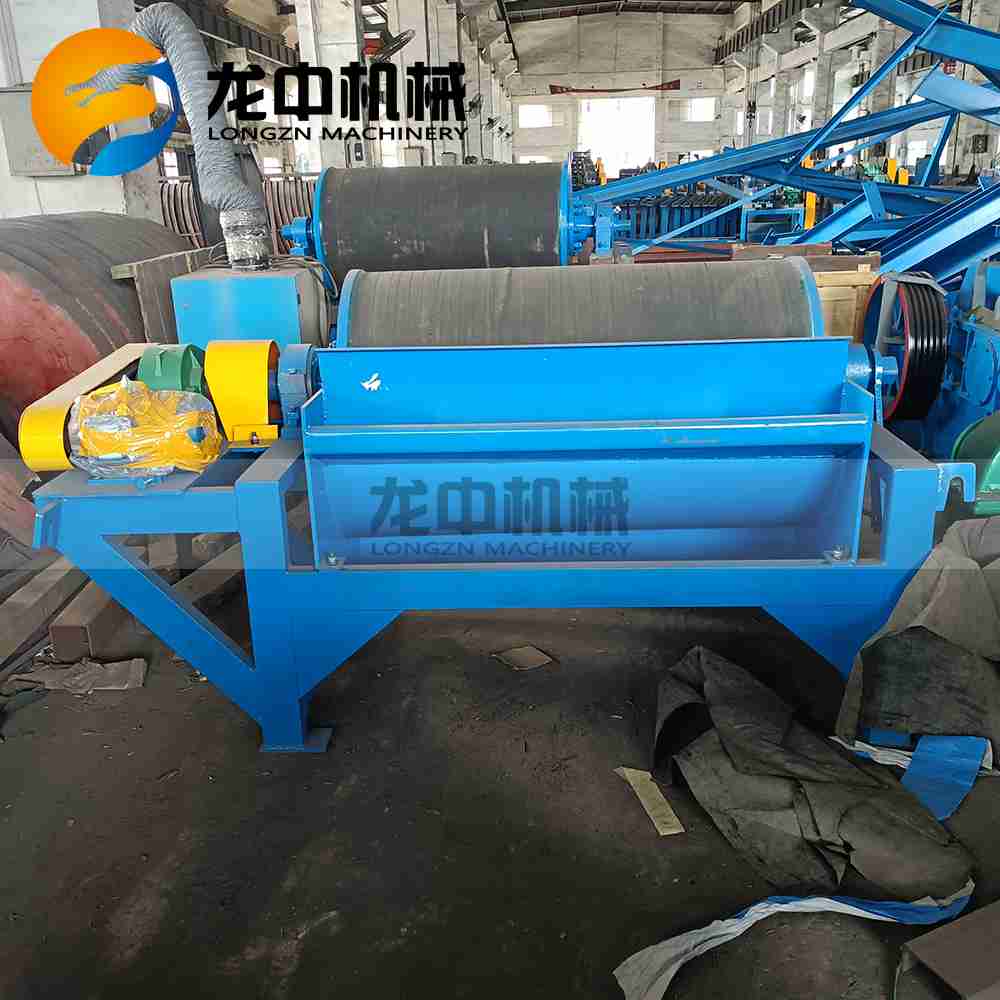
Dry Magnetic Separator: Suitable for preliminary separation and magnetic processing of coarser-grained ores.
Wet Magnetic Separator: Suitable for the precise separation of fine-grained ores, improving separation efficiency through the use of a water medium.
6. Flotation Process
Flotation is a critical step for improving mineral purity. It separates minerals based on differences in the hydrophobicity of their surfaces induced by chemical reagents.
Flotation Reagents: Commonly used reagents include collectors, frothers, and modifiers, which help improve mineral flotation performance.
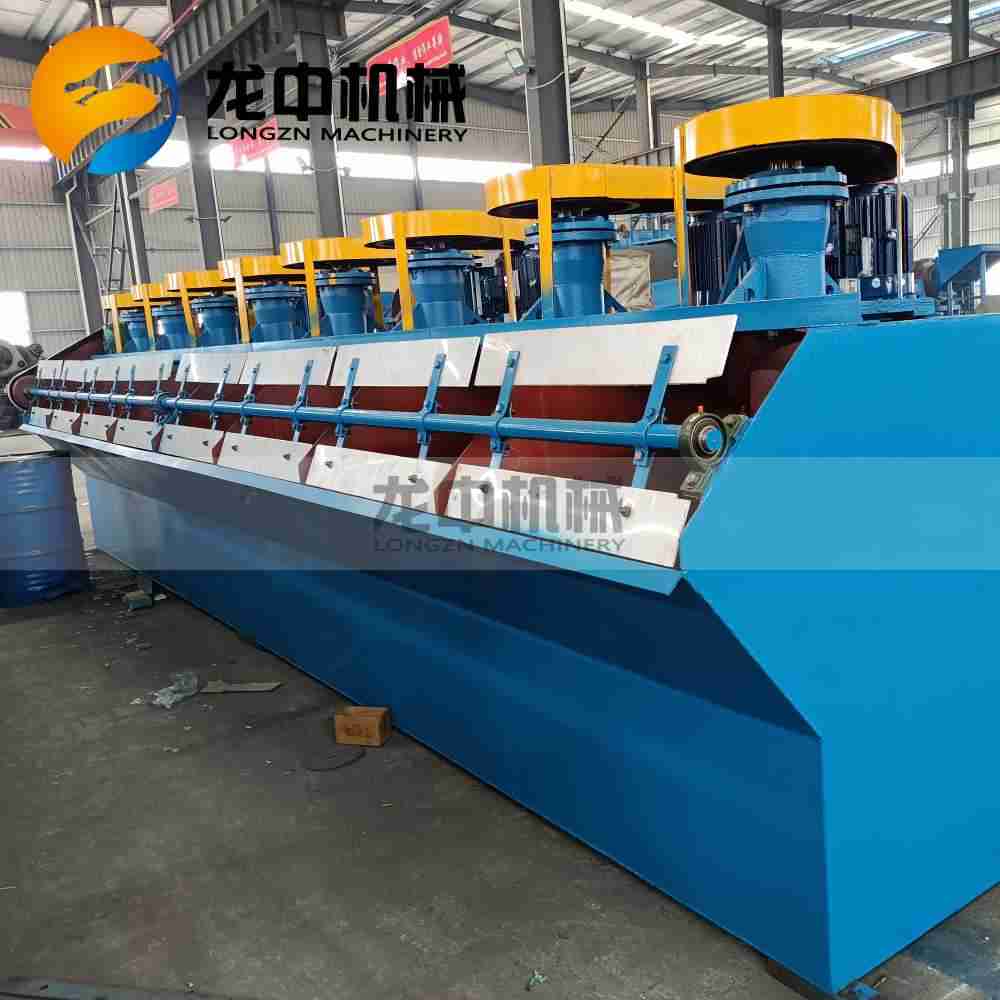
Flotation Machine: Through agitation and aeration, minerals in the slurry attach to air bubbles and rise to the surface for separation.
7. Cleaning and Purification
To further purify zircon sand, chemical or physical methods can be applied to the concentrate to remove trace impurities.
Chemical Purification: Impurities in the ore are removed through chemical methods such as acid washing or alkaline leaching.
Physical Purification: Physical methods like electrostatic separation are used to further enhance the purity of zircon sand.
Conclusion
The beneficiation process for zircon sand is a complex and intricate procedure involving various equipment and technologies. Through scientifically sound process design and appropriate equipment selection, the utilization rate and product quality of zircon sand can be significantly improved. We hope this comprehensive guide provides valuable information to support your success in zircon sand beneficiation.